Western Australia Prison System Faces Severe Conditions, Report Highlights
Wanderstayfinder.com – Recent findings from a parliamentary report reveal that inmates in Western Australia’s correctional facilities are enduring “cruel, inhuman or degrading” living conditions, according to a state inspector of custodial services. The assessment, published on Tuesday, underscores a growing crisis within the prison system, with concerns spanning overcrowding, staff shortages, and deteriorating infrastructure. Eamon Ryan, the state’s custodial services inspector, warned that these issues now threaten the safety and well-being of both prisoners and staff, demanding urgent reforms to prevent further harm.
Systemic Failures Across Multiple Facilities
According to the report, the current state of prisons in Western Australia reflects a systemic breakdown. Overcrowded cells have forced inmates to sleep on mattresses placed directly on the floor, a situation that has become increasingly common. This trend is exacerbated by a 37% surge in prisoner numbers over the past three years, straining resources and pushing the system to its limits. Ryan emphasized that the crisis is not isolated to a single facility but is a widespread issue affecting multiple prisons.
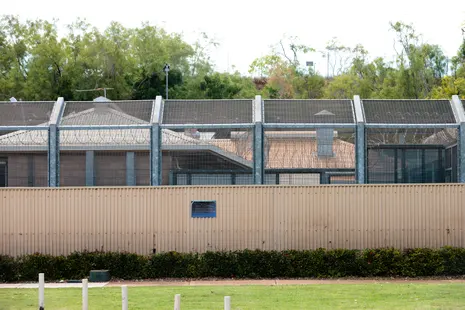
Among the most affected are Hakea, Melaleuca, and Casuarina prisons, where the report identified a “potentially serious risk” to the security, control, and welfare of detainees. The conditions in these facilities, described as “systemic failures,” have led to heightened dangers, including incidents of self-harm and even deaths in custody. Ryan noted that the environment has “materially increased” the likelihood of severe harm, drawing parallels to the 2018 Greenough Regional Prison riot that resulted in millions of dollars in damages and the escape of ten inmates.
Overcrowding and Its Consequences
Overcrowding has become a defining feature of the prison system, with triple-bunking and shared sleeping spaces contributing to the crisis. In some cases, inmates are forced to sleep in close proximity to the cell’s shared toilet, creating unsanitary and uncomfortable conditions. A prisoner at Hakea, whose comments were included in the report, described the situation as “filthy,” citing the presence of cockroaches, lack of laundry services, and broken toilets. “No pillow. It’s filthy,” the inmate said, highlighting the daily struggles of those confined to these spaces.
The report also emphasized that the overcrowding has eroded the resilience of prison infrastructure. With no capacity to absorb or respond to major incidents, the system is operating at a breaking point. This has led to a cascade of issues, including reduced access to essential services and prolonged periods of confinement. A staff member at Casuarina added that the lack of personnel has made “staff safety beyond compromised,” further intensifying the pressure on correctional workers.
Impact on Mental Health and Basic Rights
The chronic staff shortages have triggered frequent lockdowns, limiting prisoners’ time outside their cells and disrupting family visits. These measures, while intended to maintain control, have resulted in the routine denial of fundamental rights. For example, a woman incarcerated in Melaleuca reported that her visits with her children had been canceled repeatedly, despite regular bookings. “I’ve seen my kids only three times since November, and all visits are canceled,” she said, reflecting the emotional toll of such restrictions.
Another inmate at Melaleuca described the toll on mental health, stating, “We get locked in too much. No fresh water. Haven’t seen my family in four weeks because of canceled visits. It makes my mental health shit.” Such accounts paint a picture of a system that has failed to prioritize the psychological and physical needs of detainees. The report underscores that the current state of affairs has created an environment where self-harm and suicide attempts are not uncommon, with the risk of fatalities remaining high without intervention.
Government Response and Ongoing Reforms
Paul Papalia, the minister for corrective services, defended the system, attributing the rising prison population to the “stellar performance” of WA police in arresting individuals for family violence offenses. He claimed that the correctional services department does not control the number of people entering the system, stating, “They are funded to do it, there is a plan, and it’s being executed.” However, Ryan’s report challenges this narrative, arguing that the department’s inability to address staffing and infrastructure gaps has contributed to the crisis.
Despite the concerns, the government has initiated system-wide reforms to tackle the challenges. These measures include operational changes, workforce development programs, and infrastructure investments aimed at improving capacity and service delivery. The department has also committed to addressing the specific issues at Hakea, Melaleuca, and Casuarina, though the report remains critical of the progress so far. “This is not just a local problem—it’s a national issue that requires a coordinated and sustained response,” Ryan stated, urging the government to formally fund and implement the necessary changes.
Historical Context of the Crisis
This is not the first time the WA prison system has been called into question. In May 2024, a report highlighted the severe deterioration of conditions at Hakea, where it was suspected that prisoners were being held in environments that met the criteria for cruel, inhuman, or degrading treatment. A show-cause notice was issued at the time, prompting the department to take action. However, follow-up reports in 2025 revealed that the problems persisted, suggesting that the reforms have yet to yield significant improvements.
Ryan’s latest report builds on these earlier findings, emphasizing that the systemic issues have deepened over time. The 60% share of self-harm incidents recorded in Hakea, Melaleuca, and Casuarina over the year to January 2026 illustrates the severity of the problem. “Women are still self-harming and hanging themselves,” one prisoner said. “If not for the cell mates, deaths in custody would be sky high. The cell mates are left to deal with it. That’s not okay.” Such statements underscore the human cost of the current state of affairs, with prisoners bearing the brunt of the system’s failures.
The report calls for immediate action, urging the government to formally commit to system-level reforms. This includes addressing the root causes of overcrowding, stabilizing the workforce, and investing in infrastructure to ensure safe and humane conditions. Without these measures, the risk of further harm—and potentially another major incident—remains elevated. As Ryan’s findings make clear, the crisis in WA prisons is not a temporary setback but a systemic breakdown that demands long-term solutions.
Broader Implications for the Justice System
The current state of the WA prison system raises broader questions about the effectiveness of the justice sector in managing its responsibilities. With prisoner numbers continuing to grow and staffing levels remaining low, the system is struggling to provide basic care and safety. The report’s conclusion that the situation reflects a “systemic failure” highlights the need for a comprehensive review of policies and practices. “The system is operating beyond its capacity,” Ryan said, stressing that the status quo is unsustainable.
As the report circulates, calls for accountability are mounting. Critics argue that the government’s focus on short-term fixes has overlooked the long-term consequences of underfunding and poor planning. The WA prisons’ conditions serve as a stark reminder of the importance of ensuring that correctional facilities can meet the needs of those in their care. Without swift and decisive action, the report warns, the situation could spiral further, with irreversible consequences for prisoners, staff, and the community at large.