Australian Property Market Faces Broad Correction Amid Multiple Pressures
Wanderstayfinder.com – Property values across the nation are experiencing a notable decline as several economic and geopolitical factors converge to cool the housing sector. According to fresh data from Cotality published on Monday, the downward trend has taken hold in multiple cities, with Brisbane, Adelaide, and Perth all recording price reductions. This marks a significant shift from the prolonged growth period that characterized much of the previous two years.
Major Cities Lead the Decline
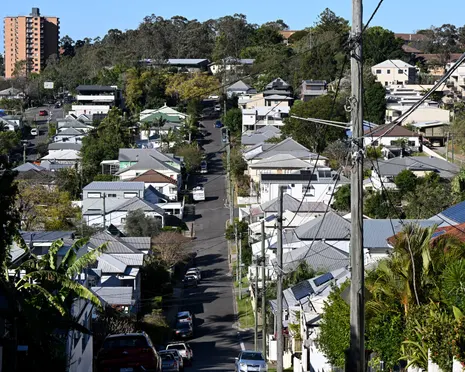
Brisbane has seen its median property value drop by approximately $8,000 since May, bringing it back to the $1.1 million level recorded in March. This reversal is particularly notable given that the city had enjoyed an unprecedented run of forty consecutive months of price increases dating back to February 2023. The streak finally came to an end when values dipped in June.
Meanwhile, Adelaide and Perth have each experienced reductions of roughly $4,000 from their respective peaks established in May. Adelaide’s median now sits at $944,000, while Perth’s stands at $1.03 million. These corrections represent a moderation from the rapid appreciation that had been observed in these markets.
Regional and National Trends
The slowdown extends beyond capital cities. Regional Australia recorded its first overall decline in home values since January 2023 during June. By July, every state showed either falling or stagnant regional property values. At the national level, the median house price has settled at $928,000, placing it approximately $19,000 below the March high point.
Among the larger capitals, Sydney has experienced the steepest decline at $69,000 since February, followed by Melbourne at $39,000 and Canberra at $22,000. Despite these reductions, Sydney and Melbourne prices remain elevated compared to January 2025 levels, while Canberra’s values continue to exceed those from September 2025.
Drivers of the Market Slowdown
Several forces have contributed to the current cooling. The Reserve Bank of Australia initiated interest rate increases in February, coinciding with the outbreak of conflict between the United States and Iran. Additionally, the federal budget released in May reduced tax concessions for property investors, further dampening demand.
Banking institutions have confirmed the weakening trend. NAB reported on Thursday that home loan applications dropped by 15 percent when comparing the first quarter of 2026 to the three months ending in June. Westpac, Equifax, and Loan Market have all independently documented similar declines in mortgage demand.
Outlook and Market Adjustment
RBA Governor Michele Bullock addressed the situation at an Anika Foundation lunch on Wednesday, expressing surprise at the pace of the downturn. She characterized interest rates as only moderately restrictive and pointed to weakening buyer demand as the primary culprit.
“I expect that things will settle down,” Bullock stated. “People will get used to the new rules. Hopefully the conflict overseas will die down, and they’ll get a bit more confidence. Prices might lower a bit. People might feel more confident to come back into the market.”
Signs of stabilization are emerging. Auction clearance rates have improved from a June low of 47.4 percent to 53.6 percent over the weekend, according to preliminary Cotality figures. Sellers appear to be exercising patience, with new listings declining throughout July as owners wait for conditions to improve.
Financial stability remains largely intact. The RBA noted that fewer than one percent of borrowers have entered negative equity, meaning their properties are worth less than their outstanding loans. An even smaller proportion face difficulties making repayments. The central bank is not anticipated to increase rates at its upcoming meeting on August 11, suggesting a pause in monetary tightening while the market adjusts to the new environment.
Related Reading
Frequently Asked Questions
What is House prices slide across Australia as Middle?
House prices slide across Australia as Middle is the main topic of this guide. The article explains the context, practical details, and next steps readers should understand.
Why does House prices slide across Australia as Middle matter?
House prices slide across Australia as Middle matters because readers are looking for a useful answer, not just a short summary. Good content should match search intent and help them decide what to do next.