Trump Backs Down on Iran Strikes After Regional Pressure
Wanderstayfinder.com – President Donald Trump has decided to halt planned military operations against Iran, signaling a diplomatic shift amid growing regional concerns. The president announced on his Truth Social platform that he would suspend the anticipated strikes, citing hopes for a “rapidly” reached agreement with Tehran. This move comes as both Saudi Arabia and Iran have expressed strong positions on the escalating situation in the Persian Gulf.
What Trump Said About the Decision
Speaking from Air Force One on Sunday, Trump explained that he agreed to cancel the attack based on requests from Iran and other regional nations. “Based on this request, I have agreed, for the future benefit of the WORLD and, likewise, the survival of a successful and prosperous Iran, to cancel the attack, subject to being able to rapidly make a DEAL,” he stated.
The president indicated that fresh diplomatic discussions would begin on Monday. He emphasized that any agreement would include the immediate reopening of the Strait of Hormuz and address what he called “an end to Iran’s nuclear threat.”
Iran’s Mixed Reaction
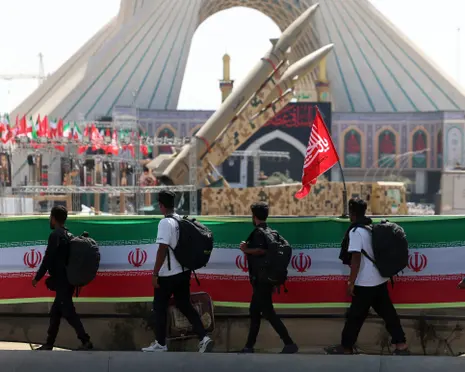
Despite Trump’s announcement, Iran’s response has been cautious. The Mehr news agency dismissed the president’s claim that Tehran had requested a pause, calling it “nothing but a new lie.” Meanwhile, the Fars news agency reported that the Strait of Hormuz would remain closed as long as the United States continued its “hostile actions.”
“We will neither be taken by surprise nor will we be passive,” declared Iran’s acting defense minister, Majid Ebn-e-Reza, on the social media platform X.
Iranian negotiators are working to revive an agreement originally facilitated by Pakistan in June, according to Hassan Ghashghavi, spokesperson for Iran’s parliament national security commission.
Saudi Arabia’s Role in De-escalation
Saudi Crown Prince Mohammed bin Salman played a key role in Trump’s decision. During a Saturday phone call, the prince voiced his concerns about further military action. A source told Axios that the Saudi leader “urged Trump to de-escalate and refrain from launching the strikes.”
Saudi officials feared that Tehran might retaliate against the kingdom and other Gulf nations if American strikes proceeded. This concern was validated when Kuwait reported being hit by Iranian drones on Saturday, while two vessels came under attack near Oman in the Strait of Hormuz.
Regional and International Context
The United States and Israel were preparing coordinated strikes that could have extended through the weekend, with oil refineries and power facilities among potential targets. Eli Cohen, Israel’s energy minister, emphasized that “with or without an agreement, and regardless of any external commitments, if Iran attempts to renew its nuclear programme or advance its ballistic missile industries, we will be there.”
Meanwhile, Saudi Arabia had participated alongside the United States in operations against Iranian-backed militia installations in Iraq earlier this week, while simultaneously encouraging both Washington and Tehran to resume negotiations.
FAQ: Understanding Trump’s Decision on Iran
Why did Trump decide to halt the strikes? Trump announced the suspension of military operations in expectation of rapidly reaching a deal with Iran regarding nuclear activities and the Strait of Hormuz.
What role did Saudi Arabia play? Saudi Crown Prince Mohammed bin Salman urged Trump to de-escalate during a Saturday phone call, expressing concerns about potential Iranian retaliation against Gulf nations.
Has Iran agreed to reopen the Strait of Hormuz? Iran has indicated the strait would remain closed as long as the United States continues its “hostile actions,” according to the Fars news agency.
What is the current status of diplomatic talks? Mediators are attempting to resurrect an agreement originally facilitated by Pakistan during June, with fresh discussions expected to commence on Monday.