British Azerbaijani Man Arrested in Cyprus: Spy Case Highlights UK-Iran Tensions
Arrest Details and Investigation Overview
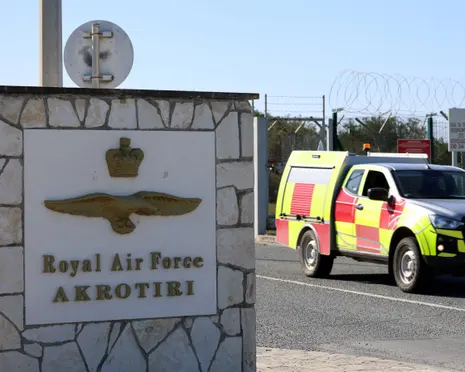
Wanderstayfinder.com – A British Azerbaijani man arrested in Cyprus has become the subject of Britain’s first overseas investigation under the National Security Act. Rashad Sultanov, a 44-year-old resident of Islington in north London, was detained by Cypriot authorities on July 17 on suspicion of spying on RAF Akrotiri for Iran. The Metropolitan Police confirmed that Sultanov remains in custody while extradition proceedings are being organized between the two nations.
The investigation focuses on alleged hostile surveillance activities conducted at RAF Akrotiri, one of Britain’s two sovereign military bases in Cyprus. These bases were retained when Cyprus gained independence in 1960. According to official statements, the suspicious activities took place between May 11 and June 22 last year, during which time Sultanov reportedly gathered intelligence about the airbase’s operations and capabilities.
Police believe that Sultanov collected information about RAF Akrotiri and then passed this intelligence to Iran’s Islamic Revolutionary Guard Corps. The allegations suggest a coordinated effort to monitor British military activities in the region that could potentially be used against UK interests. Cypriot officials have maintained that the investigation is ongoing and have not yet released detailed information about the evidence collected.
RAF Akrotiri’s Strategic Role in Regional Security
RAF Akrotiri serves as a critical hub for British military operations throughout the Middle East. The base has been instrumental in launching campaigns across multiple conflict zones, including Iraq, Syria, and Yemen. Its strategic location in Cyprus provides Britain with permanent access to the region, enabling quick response capabilities and extended operational reach for military missions.
The arrest of the British Azerbaijani man comes during a period of increased geopolitical tension between Iran and Western countries. In early July, the Islamic Revolutionary Guard Corps publicly threatened to target any British military installations that American forces used for operations against Iran. This warning highlights the base’s importance in the broader context of regional security and demonstrates why monitoring activities at RAF Akrotiri would be of particular interest to Iranian intelligence.
Recent Iranian Actions Against British Facilities
The past few months have witnessed several incidents involving Iranian military actions targeting British and allied facilities. In March, an Iranian-made Shahed drone caused minor damage to installations at Akrotiri. This incident prompted British officials to announce that the Cyprus base would not be covered under the UK’s defensive agreement with the United States regarding the use of British military installations.
Further complicating the situation, reports from March indicated that Iran had fired two ballistic missiles at a joint US-UK military facility on Diego Garcia in the Indian Ocean. Although neither missile reached its target, the event demonstrated the expanding geographic range of Iranian military concerns and the interconnected nature of Western military installations worldwide.
Legal Framework and Official Statements
Helen Flanagan, head of counter-terrorism policing in London, highlighted the significance of this case for British legal capabilities.
“This case shows we are able to use the National Security Act overseas when British military bases are allegedly targeted by hostile state activity.”
The application of the National Security Act in this international context represents an important development in how Britain protects its military assets from foreign espionage. The legislation now extends beyond British borders, allowing authorities to pursue cases involving British citizens or residents who allegedly spy on UK installations abroad. Sultanov’s continued detention reflects the seriousness with which both British and Cypriot authorities view these allegations.
As the investigation progresses, authorities are working to determine the full scope of Sultanov’s activities and whether other individuals participated in the intelligence-gathering operations. The results of this case may establish important precedents for handling similar situations involving British citizens accused of espionage activities targeting UK military installations overseas.
Frequently Asked Questions
What is the National Security Act and how does it apply overseas? The National Security Act provides legal framework for investigating and prosecuting espionage activities against British interests. For the first time, it is being applied to cases involving British military bases abroad, allowing authorities to pursue suspects even when incidents occur outside British territory.
Where exactly is RAF Akrotiri located? RAF Akrotiri is situated in Cyprus, one of two British sovereign bases retained on the island following Cyprus’s independence in 1960. The base serves as a crucial military installation for British operations in the Middle East.
What is the connection between this case and Iran? Rashad Sultanov is suspected of collecting intelligence about RAF Akrotiri and sharing it with Iran’s Islamic Revolutionary Guard Corps. This comes amid heightened tensions between Iran and Western nations, including recent threats from Iran to attack British military installations used by American forces.
What happens next in this case? Sultanov remains in custody while extradition proceedings are organized between Cyprus and Britain. The investigation continues to determine the full extent of his alleged activities and whether other individuals were involved in the espionage operations.