Fifteen Elephant Deaths at Kenya Park: Cyanide Poisoning Suspected
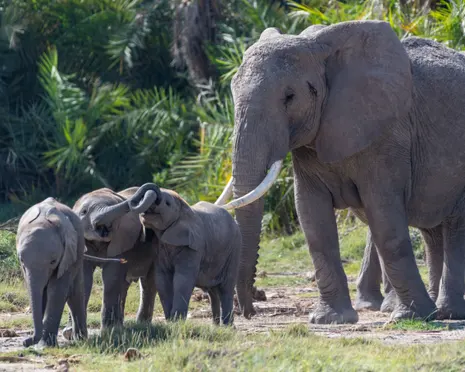
Wanderstayfinder.com – Fifteen elephant deaths at Kenya park have been linked to cyanide poisoning, according to officials from the Kenya Wildlife Service (KWS). The tragic incident occurred over the past month in the Kimana sanctuary and Kuku Group ranch areas surrounding Amboseli national park. Erustus Kanga, the agency’s director general, confirmed that analysis of samples from the carcasses revealed traces of cyanide—a chemical compound commonly used in farming as both a predator control poison and pest fumigant.
“Cyanide is a highly toxic chemical,” Kanga explained to Citizen TV. “If elephants consume cyanide, they cannot survive a day or two.” The affected region covers approximately 392 square kilometers (96,865 acres) and, together with neighboring conservancies, supports more than 1,600 elephants. Kimana town stands as a leading tomato producer in the area, where researchers from the Route to Food Initiative—a food rights programme—have previously documented the use of cyanide-based substances on crops.
Investigation and Community Impact
Isaac Lekolool, head of veterinary and capture services at KWS, told Citizen TV that stomach contents from one elephant in the Kimana sanctuary herd contained “lots of tomatoes,” pointing toward agrochemical poisoning as the likely cause. Kanga warned that the problem could extend beyond elephants, as local livestock may also graze on contaminated farmland. “We have the goats, we have the cattle that are there. Eventually, if this cyanide is truly the one that is in the system, then we are going to see a bigger impact.”
On Tuesday, KWS announced it was investigating the elephant deaths that occurred between 24 June and 24 July in Amboseli. Officials noted that 10 of the deceased elephants had exhibited signs of partial paralysis before dying, and preliminary tests detected a potential toxic substance in their systems.
“Thanks to decades of community-centred conservation, the Amboseli elephant population is one of the best protected in Africa, and elephant poaching has been virtually eliminated here. Aside from losses during periods of severe drought, we haven’t seen a cluster of elephant deaths like this for some time.” — Benson Leyian, CEO of Big Life Foundation
Benson Leyian, CEO of the Big Life Foundation—a conservation organization operating in the Amboseli region—described the deaths as a cause for concern. The International Fund for Animal Welfare echoed these sentiments in a statement, calling the deaths “deeply alarming” and emphasizing that the incident “reinforces why we must continue investing in science, monitoring, and collaborative conservation efforts.”
Farmers and herders in Kenya have historically poisoned wildlife in retaliation for crop and livestock damage. Similar incidents have occurred in Zimbabwe, where poachers killed dozens of elephants by lacing watering holes and salt licks with cyanide. The Amboseli ecosystem represents a major source of tourism revenue, yet tensions have been mounting as local leaders push for the handover of park management to Kajiado county’s government. Earlier this month, a court suspended the county government’s takeover pending further review.
Frequently Asked Questions
What caused the fifteen elephant deaths at Kenya park? Officials believe cyanide poisoning is responsible, after finding traces of the chemical in elephant carcasses. The cyanide likely came from pesticides used on nearby tomato farms in Kimana town.
How many elephants are affected in the Amboseli region? The Kimana sanctuary and Kuku Group ranch areas, together with neighboring conservancies, are home to more than 1,600 elephants. Fifteen of these elephants have died in the recent incident.
Could other animals be affected by the cyanide? Yes. KWS director general Erustus Kanga warned that local goats and cattle may also consume contaminated crops, potentially leading to a wider impact on livestock populations.
What is the current status of the investigation? KWS is investigating the deaths that occurred between 24 June and 24 July. Ten elephants showed partial paralysis before dying, and preliminary tests have detected a potential toxic substance.
How does this incident relate to local community tensions? The Amboseli ecosystem generates significant tourism revenue. Local leaders have been demanding the park’s management be handed over to Kajiado county, but a court recently suspended this takeover.