Inside Morocco’s Secret Surveillance Network: New Revelations About Pegasus Spyware
Moroccan intelligence insider reveals widespread use – A groundbreaking collaborative investigation has uncovered extensive evidence that Morocco’s intelligence apparatus employed sophisticated hacking tools to monitor a wide array of domestic and international figures. The findings, centered on testimony from a former DGST operative, reveal how the North African nation integrated Pegasus spyware into its security operations starting in 2017.
A Consortium Unveils Hidden Truths
The investigation, spearheaded by Moroccan journalist Hicham Mansouri, brought together fourteen media organizations under the coordination of Forbidden Stories. With technical assistance from Amnesty International’s Security Lab, this international partnership examined leaked correspondence, targeting documentation, victim accounts, and internal training materials. Two additional ex-Moroccan intelligence officials also contributed corroborating information to strengthen the case. The collective effort resulted in what has been titled the Pegasus Project: Inside the Moroccan Spying Machine. Through forensic analysis of the Pegasus project dataset, researchers confirmed numerous claims made by the primary whistleblower.
The Whistleblower’s Account
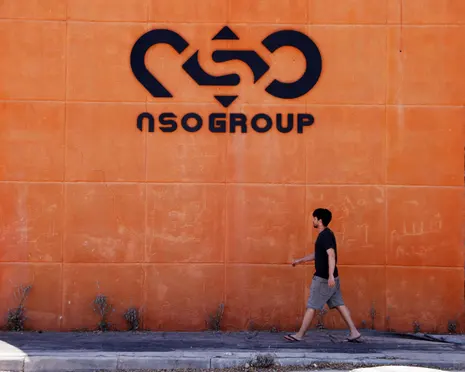
Known only by the pseudonym Safir, the former DGST employee spent nearly ten years within Morocco’s internal security framework. According to their testimony, the agency initiated Pegasus deployment in 2017 and continued utilizing it against both local and foreign objectives for approximately four years. Safir described a pivotal moment during a 2017 demonstration held at an upscale Rabat residence. NSO Group representatives presented their latest technologies to senior Moroccan intelligence officers and technical specialists. The venue became known as “the FSSYS villa” following FSSYS Maroc, the Moroccan subsidiary of UAE-based surveillance intermediary al-Fahad, which regularly hosted such presentations.
“Millions for the Emiratis, that’s nothing,” Safir recalled. “The Emirates bought it and redistributed it to friendly services. You could say it’s like Netflix: a friend pays for the subscription, and the others use their account.”
Attendees at the demonstration quickly recognized Pegasus’s transformative capabilities. Unlike previous methods requiring physical access to devices, the spyware enabled remote infection, allowing operators to activate cameras, switch on microphones, and extract data without touching the target phones.
Evolution of Moroccan Surveillance
Prior to adopting Pegasus, Morocco relied on more traditional intelligence gathering techniques. These included human sources, monitoring terminals located in internet cafes, and convincing retailers to distribute mobile phones pre-loaded with alternative spyware to dissidents.
“We never start with Pegasus,” Safir explained. “It’s the monster’s weapon.”
The expensive technology was reserved exclusively for high-priority targets once less costly alternatives proved insufficient. Testing began in September 2017 when four distinct Moroccan mobile numbers were selected as initial Pegasus targets. Among these were two numbers belonging to DGST personnel, used to evaluate the system’s functionality within Morocco.
Targets and Denials
While NSO Group maintains that Pegasus serves only governmental clients seeking to monitor criminals and terrorists, allegations suggest multiple nations employed the software against political opponents, journalists, diplomats, and elected officials. Morocco consistently rejected accusations that it utilized Pegasus against domestic and international critics. Officials claimed investigative reporters failed to demonstrate any connection between Morocco and the Israeli company. The whistleblower’s statements, supported by leaked documentation, directly contradict these official positions. The investigation also identified that Pegasus enabled operators to access emails, text messages, photographs, and activate recording functions, effectively transforming mobile devices into comprehensive surveillance tools.
Broader Implications
The revelations extend beyond Morocco’s borders, highlighting how surveillance technology acquired through diplomatic channels can be repurposed for domestic monitoring. The UAE’s role in acquiring and distributing Pegasus to allied nations underscores the geopolitical dimensions of modern espionage capabilities. As the investigation continues, additional details emerge about the scope and sophistication of Morocco’s digital surveillance operations, challenging official narratives and raising questions about accountability in an increasingly connected world.