UK Officials Anticipate Russian Retaliation Over Shadow Fleet Oil Tanker Seizure
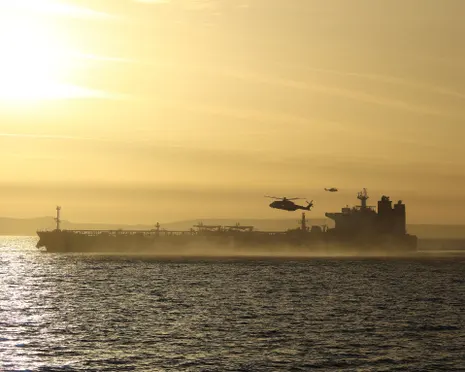
Wanderstayfinder.com – UK officials anticipate Russian retaliation after the Royal Marines intercepted the oil tanker *Smyrtos*, a vessel linked to Russia’s shadow fleet. The operation, executed early Sunday, has prompted concerns about escalating tensions in maritime corridors. The *Smyrtos* was carrying Russian crude oil valued at $40 million, destined for India, and its detention was sanctioned by Prime Minister Keir Starmer. Industry leaders now warn of heightened awareness as the UK and its allies intensify efforts to disrupt Moscow’s sanctions-evading supply routes.
Shadow Fleet Tactics and Legal Loopholes
The *Smyrtos* was flagged as part of Russia’s covert network of vessels designed to bypass international sanctions. These ships, often registered under neutral or false flags, enable Moscow to transport crude oil without direct exposure to Western sanctions. The UK’s decision to seize the *Smyrtos* relied on its Cameroon flag, a legal oversight that allowed the vessel to be targeted under existing frameworks. This move underscores the UK’s strategy to exploit regulatory gaps in Russia’s maritime operations.
“The *Smyrtos* seizure was a calculated effort to send a clear message. Retaliation from Russia is expected, though the timing and scale remain uncertain,” remarked a naval analyst. “The UK’s ability to act swiftly on such vessels strengthens its position in the sanctions battle.”
The Department for Transport has since coordinated with shipping operators to share intelligence on the shadow fleet’s movements. While no formal alerts were issued, the UK Chamber of Shipping reported a noticeable shift in operational protocols. “Owners are now more cautious, with heightened risk assessments for vessels flagged under non-Western states,” a spokesperson noted. This proactive approach reflects the growing strategic significance of targeting Russia’s maritime assets.
Escalating Conflicts and Recent Incidents
Recent tensions between the UK and Russia have intensified following the *Smyrtos* incident. The shadow fleet is pivotal to Moscow’s ability to sustain its war efforts, with around 600 vessels responsible for half of its crude oil exports. The UK’s action marks the first direct seizure of a Russia-linked tanker, signaling a new phase in sanctions enforcement. Analysts warn that such disruptions could lead to retaliatory measures, potentially affecting global energy markets.
In the past week, maritime incidents have underscored the growing friction. On Tuesday, the Russian frigate *Admiral Grigorovich* fired warning shots near a British yacht in the English Channel, demonstrating Moscow’s readiness to assert dominance. The *Smyrtos* seizure follows a similar pattern, with the UK taking a firm stance against Russia’s ability to move oil unimpeded. These events highlight the strategic and diplomatic stakes in the conflict.
Global Impact and Industry Response
The capture of the *Smyrtos* has sparked a broader industry response, with operators reassessing routes and security measures. Ship owners now face the challenge of balancing trade efficiency with geopolitical risks. The UK’s actions have also prompted discussions on the effectiveness of sanctions in targeting Russia’s economic resilience. “The shadow fleet is a key asset, but its vulnerability to sudden seizures is a game-changer,” said an energy sector expert. This shift may force Russia to adapt its logistics strategy.
International trade routes are at risk as the UK and Europe continue their campaign against the shadow fleet. The *Smyrtos* incident could set a precedent for future operations, potentially leading to a chain of retaliatory actions. While the UK has emphasized its commitment to sanctions, Moscow’s response may depend on the severity of the disruption and the broader geopolitical context. Analysts suggest that retaliation could take various forms, from economic measures to direct military confrontations.
Strategic Implications and Future Outlook
Russia’s shadow fleet operates with a level of anonymity that has made it a strategic target for Western nations. By leveraging the *Smyrtos* seizure, the UK has demonstrated its capacity to disrupt Moscow’s supply chains. This approach aligns with the goal of reducing Russia’s energy exports, which are critical to its economy. The incident has also reinforced the UK’s role in leading sanctions efforts, with officials highlighting the importance of maintaining pressure on Moscow.
As the UK officials expect Russia to retaliate, the situation remains fluid. The next steps will likely depend on Moscow’s reaction and the effectiveness of its countermeasures. The shadow fleet’s survival will be key to Russia’s ability to sustain its military operations, making this a critical battleground in the ongoing conflict. The international community will be watching closely to see how the UK’s actions unfold and what this means for future diplomatic and economic strategies.