Iranian Hardliners Intensify Opposition to US Peace Deal
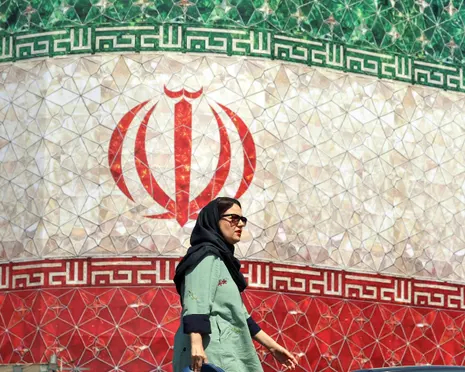
Wanderstayfinder.com – Amid escalating tensions, Iranian hardliners have intensified their resistance to a proposed peace agreement with the United States, casting doubt on the deal’s ability to secure sanctions relief, financial compensation, and control over the strategic strait of Hormuz. Critics within the regime argue that the current proposal fails to deliver on key promises, with some accusing the administration of capitulating to Western pressure. Iranian MP Kamran Ghazanfari, a vocal opponent, dismissed claims of Iranian victory, stating, “The fact that they say we won and America has retreated is a blatant lie.” His remarks underscore a growing sentiment among hardliners that the agreement represents a significant concession rather than a diplomatic triumph.
Opposition from Within the Regime
The pushback against the deal has gained momentum, particularly from figures associated with the hardline faction. Meysam Nili, managing director of Rajanews and the brother-in-law of former president Ebrahim Raisi, labeled the proposed deal as a “catastrophic capitulation,” urging citizens to resist what he called an unfair compromise. Nili’s critique highlights the deep ideological divide within Iran’s political landscape, where some view the agreement as a threat to national sovereignty. He warned that accepting the deal would embolden the US to exert further influence over Iran’s strategic interests.
As the opposition grows, government officials have stepped in to counter the criticism. Mehdi Mohammadi, an adviser to Mohammad-Bagher Ghalibaf, head of the negotiating team, released an audio message to address concerns. Mohammadi emphasized that the deal would mark a turning point, ending the war in Lebanon and halting Israel’s military operations. He argued that Iran’s nuclear program remains untouched, with no new commitments required. “Tehran has not been forced to make any new obligations,” he said, adding that the resolution of highly enriched uranium’s disposal—such as down-blending within the country—would be decided through future discussions spanning 60 days.
Strategic Implications and Financial Terms
Mohammadi also highlighted the deal’s provisions regarding the strait of Hormuz, a critical chokepoint for global oil trade. He claimed that the text would allow Iran and Oman to charge fees for vessel passage, a move he framed as a strategic advantage. However, the US had initially resisted including the phrase “Iranian arrangements,” which Mohammadi said was eventually accepted in the second phase of negotiations. This concession, he argued, marked a historic shift, as the US agreed to lift primary sanctions for the first time. Despite this, Mohammadi insisted that the critics were misinterpreting the agreement, citing outdated drafts as the source of their confusion.
The financial aspect of the deal has also sparked debate. Mohammadi acknowledged that the release of half of Iran’s frozen overseas funds—approximately $12 billion—had yet to be finalized. “We know America will not give us money,” he stated, implying that the Arab countries would be compelled to provide the funds as part of the agreement. This argument reflects a broader narrative that Iran’s military superiority in the region has pressured Arab states into concessions, with the deal symbolizing a shift in regional power dynamics.
Backers of the Deal and Regional Impact
While the hardliners criticize the deal as a surrender, supporters within the government argue it offers tangible benefits. They contend that the agreement is preferable to the 2015 nuclear pact under Barack Obama, which imposed strict limits on Iran’s nuclear activities in exchange for sanctions relief. Mohammadi asserted that the current deal is more favorable, as it ensures Iran retains control over its nuclear program. “This time, it is not like we will shut down the nuclear programme and wait for them to lift the sanctions,” he said. “There is no such wishful thinking. The strait is in our hands, we can close it any time we want at an hour.” His comments suggest a confidence in Iran’s ability to leverage the agreement for strategic advantage.
Yet, the opposition remains vocal, with critics from the Paydari Front—led by figures such as Mahmoud Nabavian of the national security committee—arguing that the deal undermines Iran’s sovereignty. Nabavian and other hardliners have organized protests outside the foreign ministry in Tehran, demanding a “we will not accept” stance. Their efforts have been amplified by media outlets and political commentators, including Hossein Shariatmadari, editor-in-chief of Kayhan newspaper, who accused negotiators of betraying Iran’s strategic interests. In an open letter, Shariatmadari questioned the rationale behind relinquishing control over Hormuz, a vital waterway that had been a key tool in previous conflicts.
Shariatmadari’s critique underscores the perceived risks of the agreement. He argued that the US and its allies had inflicted severe damage on Iran, including the martyrdom of former supreme leader Ayatollah Ali Khamenei and the loss of nuclear scientists and military leaders. “They have caused hundreds of billions of dollars in damage,” he wrote, lamenting the decision to allow passage fees for commercial ships. “Now by opening the strait of Hormuz and charging service fees, we are going to release their economic and commercial bottleneck?!” His rhetoric emphasizes the emotional and symbolic weight of the strait as a symbol of Iranian resistance.
Hardline Clerics and the Nuclear Program
The hardline Shia clergy, a powerful force within Iran, has also joined the opposition. Their concerns center on the nuclear program, which they view as a cornerstone of Iran’s national identity. Mohammadi defended the deal by pointing out that the text only states Iran’s commitment to not building or purchasing nuclear weapons, a position he said has been consistent for years. “This is what we have been saying for years,” he claimed, positioning the agreement as a continuation of Iran’s long-standing nuclear policy.
Despite their objections, the hardliners acknowledge the deal’s potential to reduce tensions. However, they argue that the agreement’s concessions are outweighed by its risks. Critics insist that the US would exploit the deal to gain influence over Iran’s regional allies, while the clerics fear that the deal could weaken the country’s leverage in conflicts with Israel and its allies. The debate highlights a fundamental tension between pragmatic diplomacy and ideological resistance, with each side framing the agreement as either a victory or a compromise.
As the negotiations progress, the clash between hardliners and supporters reflects a broader struggle within Iran’s political system. While the government seeks to balance economic needs with national pride, the opposition remains steadfast in its belief that the deal sacrifices Iran’s strategic autonomy. The outcome of this debate will likely shape the nation’s approach to international relations, with implications for its role in the Middle East and beyond. For now, the strait of Hormuz stands as a symbol of this ideological battle, with the fate of the peace deal hinging on whether Iran can reconcile its ambitions with its alliances.