Bugging devices: the astounding ways insects are talking and listening all around us

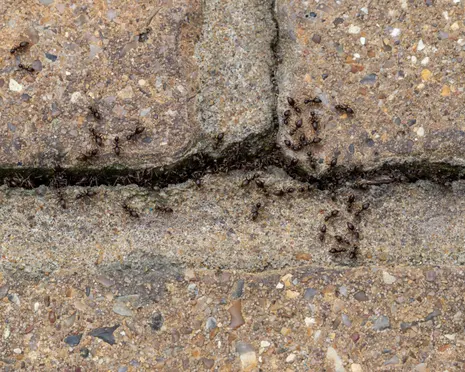
Table of Contents
The Hidden Conversations of the Insect World
Wanderstayfinder.com – Every step we take through a garden or forest path, we move through a bustling network of communication that operates entirely beneath our notice. While humans have developed sophisticated methods of connecting across vast distances, the creatures sharing our environment have been perfecting their own languages for millions of years. These conversations span from the subtle chemical signals of ants to the vibrational symphonies of spider webs.
Vibrational Dialogues in the Web
Spiders demonstrate remarkable acoustic intelligence through their silk creations. Rather than simply waiting passively for prey, these arachnids actively tune their webs much like musicians adjusting instrument strings. By manipulating silk strands with their legs and body weight, spiders can alter the pitch of their web, creating a sophisticated detection system. This fine-tuning allows them to distinguish between different visitors—a potential mate seeking connection, a fly offering a meal, or a larger predator approaching with intent. The precision of this system is extraordinary. Each vibration pattern carries specific information, enabling spiders to respond appropriately without ever seeing their visitor. This represents a form of communication that predates human language by countless millennia.
Chemical Conversations
Beyond vibrations, the chemical realm offers another layer of insect dialogue. Pheromones serve as the primary vocabulary for countless species, creating complex messages that guide behavior across entire colonies. Moths have evolved the ability to blend multiple scent compounds into precise aromatic cocktails designed to attract mates from considerable distances. Ants utilize these chemical signals differently, laying elaborate trails that function as directional highways for their colony members. These scent pathways can persist for hours, guiding workers to food sources with remarkable accuracy. Burying beetles take this chemical communication into the realm of family life. These insects share parenting responsibilities and communicate through both scent and physical touch while tending to their young in carefully prepared carcass nurseries.
The Art of Deception
Mimicry represents one of the most sophisticated forms of insect communication, serving as both camouflage and deception. The hoverfly’s yellow and black stripes create an immediate visual warning to predators, suggesting the presence of a stinging wasp when none exists. More complex examples include spiders and moths that mimic ants in appearance, scent, and movement patterns. This triple-layered deception allows them to inhabit ant colonies without provoking hostility, effectively living rent-free within another species’ territory. Praying mantids employ visual mimicry differently, positioning themselves among flowers to appear as natural extensions of their surroundings. This camouflage enables them to remain undetected while waiting to ambush unsuspecting visitors.
Interspecies Communication
The boundaries between species are more permeable than commonly assumed. Trees engage in active communication with pollinators through multiple channels. Color patterns and ultraviolet light serve as visual signals, while chemical emissions and electrical properties provide additional information about floral readiness. The relationship between fig trees and fig wasps exemplifies this complexity. Each fig species produces a unique aromatic signature that attracts its specific wasp partner. Female wasps navigate through narrow openings in the fig structure, often sacrificing their wings in the process, while carrying pollen from distant trees. Perhaps most remarkably, butterfly caterpillars have mastered the art of infiltrating ant colonies. By mimicking both the scent and sounds of ant larvae, these caterpillars convince worker ants to feed and protect them as if they were colony members.
Disruption and Consequences
Human activity increasingly interferes with these ancient communication networks. Roads fragment habitats and disrupt chemical trails. Chemical pollutants alter the very signals insects rely upon for survival. Climate change shifts the timing of seasonal communications, creating mismatches between species that depend on synchronized signals. These disruptions extend beyond ecological concerns to affect human wellbeing. The intricate web of relationships that sustains ecosystems provides services ranging from pollination to pest control, all dependent on the continued functioning of insect communication systems.
A New Perspective
Understanding these conversations challenges human assumptions about intelligence and communication. The camouflage patterns on butterfly wings, the rhythmic calling of beetles during mating season, and the sophisticated farming practices of termites all demonstrate forms of communication that rival human achievements in complexity. As research continues to reveal new layers of insect dialogue, we gain appreciation for the sophisticated societies operating around us. These conversations, though silent to human ears, represent some of the oldest and most enduring forms of communication on Earth. Vicki Hird, strategic lead on agriculture, emphasizes that recognizing these patterns should prompt reflection on human superiority claims. The natural world has developed communication systems that are not merely primitive versions of human language, but sophisticated alternatives that have evolved through millions of years of refinement.
Related Reading
Frequently Asked Questions
What is Bugging devices?
Bugging devices is the main topic of this guide. The article explains the context, practical details, and next steps readers should understand.
Why does Bugging devices matter?
Bugging devices matters because readers are looking for a useful answer, not just a short summary. Good content should match search intent and help them decide what to do next.