First Suspected Case of H5N1 Bird Flu Detected in New South Wales
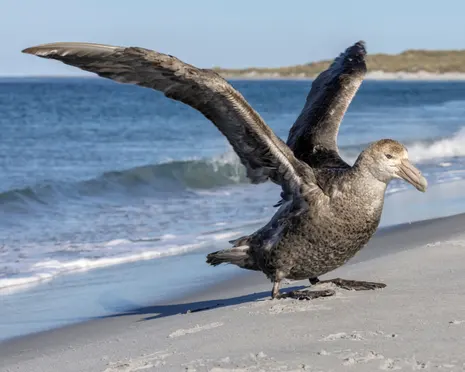
NSW records first suspected case of deadly – For the first time, New South Wales has reported a suspected case of the highly lethal H5N1 avian influenza virus, identified in a giant petrel found near Hawks Nest, approximately 50 kilometers north of Newcastle. This discovery, confirmed by initial tests at local laboratories, marks a critical moment in Australia’s ongoing battle against the disease. If further analysis by the Australian Centre for Disease Preparedness validates the strain, it would signal the virus’s arrival on the nation’s eastern coastline—a development that has raised alarm among health officials and conservationists.
Global Spread and Local Concerns
The H5N1 strain, known for its severe impact on both wildlife and poultry, has been spreading across the globe, affecting bird populations in regions such as Asia, Europe, and Africa. In Australia, the virus has already been confirmed in migratory subantarctic birds, with five cases reported since late June. Four of these instances were recorded in Western Australia, while one was identified in South Australia. The latest suspected case in NSW adds a new dimension to the country’s surveillance efforts, as it is the first potential sign of the virus reaching the mainland’s eastern regions.
The discovery was made by a member of the public who noticed the unwell petrel and alerted authorities. Initial tests at NSW laboratories have confirmed the presence of H5 influenza in the bird, but definitive identification as the highly pathogenic H5N1 variant requires further analysis. “This development is a major concern for both agriculture and wildlife,” said NSW Agriculture Minister Tara Moriarty, emphasizing the urgency of monitoring potential spread to other bird species or poultry.
Surveillance and Preparedness Measures
As the threat of H5N1 intensifies, the NSW government has intensified its efforts to detect and contain the virus. A coordination center at the Department of Primary Industry and Regional Development in Orange is overseeing these operations, ensuring a rapid response to any new outbreaks. Moriarty highlighted the importance of public participation, urging individuals to report sightings of sick or dead birds via an emergency hotline. “We’re checking high-risk areas like Hawks Nest and the mid-north coast, and we need everyone’s help to spot any additional cases,” she said.
Surveillance teams are now operating in key regions, including metropolitan beaches, to monitor for signs of the virus. The WA government reported a fifth suspected case on Friday, involving a dead giant petrel found at Mullaloo in Perth’s northern suburbs. This underscores the need for continued vigilance across the country, as the virus has already demonstrated its capacity to spread among migratory birds. “Early detection is crucial,” Moriarty noted. “The fact that we’ve identified this case so quickly is a testament to the public’s awareness and the effectiveness of our preparedness programs.”
Collaboration between state and federal agencies has been central to the response. The federal agriculture minister, Julie Collins, chaired a meeting of state officials on Friday to coordinate efforts against the H5N1 outbreak. Collins praised the public for their role in reporting unwell birds since the first detection in WA, stating that such timely alerts have been vital in tracking the virus’s movement. “The Australian public has proven to be our best line of defense in the early stages of this crisis,” she said.
Public Health and Wildlife Implications
While no poultry or captive birds in NSW have shown signs of infection, the potential risk remains significant. Moriarty warned that the virus could threaten local ecosystems and agricultural systems, which are already under pressure from other invasive species. “We’re working closely with the poultry and egg industries to minimize any impact,” she explained, adding that measures are being taken to prevent the virus from spreading to commercial bird flocks. The NSW chief veterinary officer, Dr. Jo Coombe, described the current case as “isolated,” but stressed that it could be the first of many.
Coombe also outlined the symptoms of H5N1 bird flu, which include lethargy, respiratory distress such as watery eyes or labored breathing, and paralysis or difficulty in movement. She urged people to avoid close contact with sick or dead birds and to record their locations for authorities. “Every report helps us understand the virus’s behavior and its potential spread,” she said.
The Invasive Species Council has emphasized the need for increased funding to bolster conservation efforts against the virus. Policy director Carol Booth called for an urgent $200 million in federal support to enhance resilience in wildlife populations. “Building healthier ecosystems is our best chance of mitigating the damage caused by diseases like H5N1,” Booth argued. “By strengthening populations, we can ensure they survive outbreaks and recover more quickly.”
Global Context and Local Response
The H5N1 strain has been devastating to bird populations worldwide, leading to mass die-offs in regions where it has taken hold. In Australia, the subantarctic islands have become a focal point for monitoring the virus, as migratory birds often carry it across vast distances. The NSW government has invested in training over 500 personnel across government and private veterinary services to identify and report possible cases. These efforts are part of a broader strategy to protect both the environment and the agricultural sector from the virus’s spread.
Collins reiterated that the poultry industry remains safe at this stage, though the government continues to work with state and territory partners to reinforce safeguards. “We are maintaining close communication with all stakeholders to ensure our response is comprehensive and adaptive,” she said. The Australian Centre for Disease Preparedness is now conducting tests to determine whether the NSW case is indeed the highly pathogenic H5N1 strain. If confirmed, it would mark a significant shift in the virus’s geographic spread and necessitate a more aggressive containment strategy.
As the situation evolves, officials are urging the public to remain cautious. “Even a single case can lead to widespread outbreaks if not managed effectively,” Moriarty said. “Our focus is on early detection, rapid response, and preventing any further transmission.” With the virus now reaching the east coast, the stakes have never been higher for Australia’s wildlife and agricultural sectors. The nation’s ability to respond swiftly will determine whether H5N1 becomes a persistent threat or a manageable outbreak.
Experts are also highlighting the importance of global cooperation in combating the virus. The H5N1 strain’s ability to jump between species and cross international borders means that local efforts must be part of a larger, coordinated plan. The Australian government has already established a framework for such collaboration, and officials are working to expand it as the threat grows. “This is not just a local issue—it’s a global challenge that requires collective action,” Collins said, underscoring the need for continued investment in surveillance and research.
With the suspected case in NSW, the focus has shifted to monitoring potential spread to other regions. The government has increased testing in key habitats and is encouraging the public to play an active role in reporting unusual bird activity. As the summer months progress, the likelihood of the virus establishing itself in mainland Australia grows, prompting officials to remain vigilant and prepared for any new developments.
“The best defence we have is to make Australia’s wildlife as resilient as possible before widespread outbreaks occur. That means rebuilding healthy populations that are better able to withstand disease and recover afterwards.”
This quote from Carol Booth of the Invasive Species Council reflects the broader goal of the response: to protect biodiversity while safeguarding agricultural interests. As the first suspected case on the east coast emerges, the balance between prevention and preparedness has never been more critical. The next few weeks will be pivotal in determining whether the virus will spread further or remain contained, and the nation’s actions will shape the outcome for both its ecosystems and its food supply.