Japanese City Halts Operations at 94 Schools Amid Rare Bear Encounter
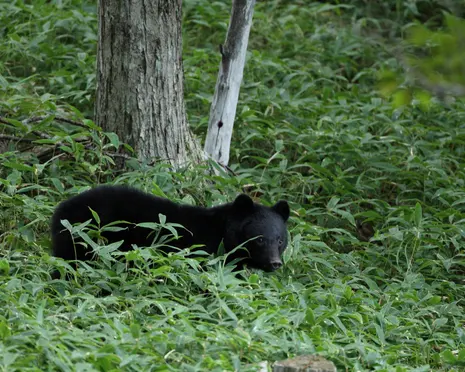
Wanderstayfinder.com – In a surprising turn of events, Utsunomiya City, located approximately 100 kilometers north of Tokyo, has suspended operations at nearly all 94 of its primary and secondary schools following a rare bear sighting that has sent residents into a state of alert. The incident, which unfolded over the weekend, marked the first time a black bear had been spotted in the city’s territory, sparking immediate action from local authorities to ensure public safety.
The bear, described as medium-sized and estimated to measure about one meter in length, was first observed near a city park on Saturday. This initial sighting prompted officials to issue precautionary measures, but the situation escalated when the animal was captured on CCTV running alongside two startled young men in the city center on Sunday morning. The footage, which showed the bear moving through residential areas during daylight hours, added urgency to the response.
By Monday, the bear had been spotted again in a factory district located approximately 2 kilometers from the city center at 4 a.m. This repeated activity raised concerns about the bear’s movements and potential interactions with humans. In response, Utsunomiya City officials have issued a series of guidelines to residents, advising them to secure their homes by keeping doors and windows locked, avoid approaching the animal, and seek shelter in the nearest building if it is encountered.
To complement these measures, the city has deployed public address vehicles to broadcast alerts and keep the community informed. Meanwhile, police and the local hunting association have resumed their search for the bear, hoping to locate it and mitigate further risks. This incident underscores the growing challenges posed by bears encroaching into urban spaces, a trend that has gained attention across Japan.
Record-Breaking Bear Sightings Signal Changing Patterns
Japan has recorded a staggering 50,000 bear sightings this year, with a significant number concentrated in the north-eastern regions. While such occurrences are not uncommon in rural areas, the proximity of these sightings to Tokyo has raised eyebrows. Utsunomiya’s experience is part of a broader pattern that has seen bears increasingly venturing into human-populated zones, according to local experts.
Recent events have highlighted this trend. Last month, a Russian hiker was injured by a bear in Okutama, a town on the far western edge of the metropolitan area. Shortly after, another bear was spotted in the satellite city of Hachioji, further emphasizing the shift in bear behavior. These incidents are not isolated; last week, a bear in Fukushima entered a company’s office, injuring an employee before escaping into a factory. The animal’s ability to navigate human environments suggests a growing adaptability to urban settings.
Bear attacks in Japan have been on the rise in recent years, with the highest number of injuries and fatalities reported in the year ending March. This surge has led local governments to adopt innovative strategies, such as installing CCTV cameras integrated with AI analysis, to monitor and predict bear movements. Such technology aims to provide early warnings and help authorities respond more effectively to potential threats.
Understanding the Bear Population Dynamics
Experts estimate that between 12,000 and 42,000 Asiatic black bears inhabit Japan’s main Honshu island, with numbers increasing in tandem with the rise in sightings. These bears, which can grow up to 1.5 meters long and weigh as much as 120 kilograms, are known to venture closer to human settlements when their natural food sources become scarce. Fluctuations in the availability of acorns and other staples—key components of their diet—have been linked to their migration into towns and villages.
In contrast, the larger brown bears found exclusively on Hokkaido, Japan’s northernmost island, are estimated to number around 12,000. These bears, with males averaging two meters in length and weighing up to 400 kilograms, are more likely to confront humans in their natural habitat. However, the increasing presence of black bears in urban areas has made such encounters more frequent, even in regions previously considered safe.
The shift in bear behavior is also attributed to demographic changes in rural Japan. As younger populations migrate to cities in search of opportunities, the abandonment of villages has created quieter, less populated environments. This may encourage bears to explore these areas for food, leading to more frequent human-bear interactions. While the exact impact of this trend remains under study, it has prompted cities like Utsunomiya to take proactive steps to protect their residents.
Community Response and Future Preparedness
Residents of Utsunomiya have been urged to remain vigilant, with officials emphasizing the importance of quick action in case of a bear encounter. The city’s measures, which include public alerts and behavioral guidelines, reflect a coordinated effort to minimize risks. However, the scale of the response has also sparked discussions about the need for long-term strategies to manage human-wildlife coexistence in expanding urban areas.
As the search for the bear continues, questions linger about the broader implications for Japan’s wildlife management policies. The unprecedented nature of this event highlights the growing importance of monitoring bear populations and adapting to their changing habits. With technology and community collaboration playing a pivotal role, Utsunomiya’s experience could serve as a case study for other cities facing similar challenges.
While the immediate focus is on securing the city’s schools and ensuring public safety, the underlying factors—such as food scarcity and rural depopulation—suggest that this is a recurring issue. Officials have expressed hope that the current situation will lead to more sustainable solutions, preventing future disruptions. For now, the bear’s presence in Utsunomiya remains a focal point, with the city’s residents and authorities united in their efforts to navigate this unexpected encounter.