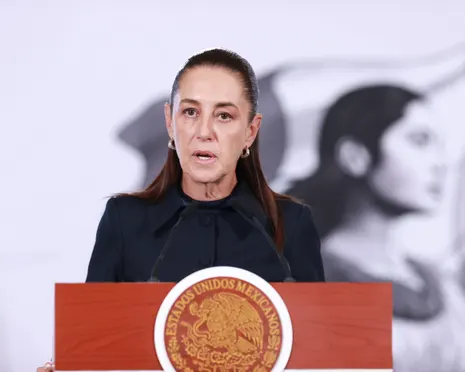
India-Bangladesh relations hit new low over exiled PM’s speech to press in Delhi

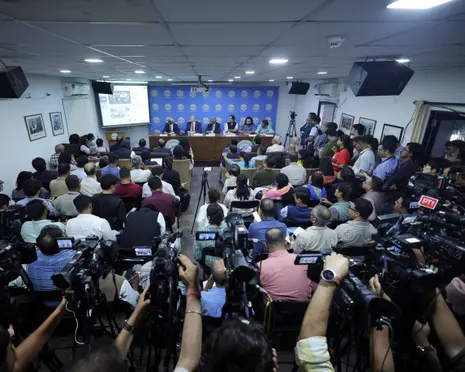
Table of Contents
Exiled Bangladesh Leader’s Delhi Address Sparks Diplomatic Crisis
Wanderstayfinder.com – Relations between South Asian neighbors India and Bangladesh have deteriorated sharply following a controversial public appearance by Sheikh Hasina, the ousted prime minister of Bangladesh, in New Delhi. The diplomatic friction centers on India’s decision to provide a platform for Hasina, who remains in exile after being sentenced to death in absentia for her government’s violent suppression of a student-led uprising that forced her to flee in 2024.
The incident has reignited tensions between the two countries, with Dhaka characterizing India’s actions as a direct challenge to its sovereignty and an endorsement of a leader it considers responsible for widespread human rights violations during the protests that ultimately toppled her administration.
A Platform for the Exiled Leader
Hasina addressed journalists on the second anniversary of the massive student demonstrations that led to her departure from Bangladesh. Speaking via audio link from India, the 78-year-old former prime minister made a solemn declaration about her future.
Whatever fate awaits me, I will return to my people.
She emphasized that personal safety had ceased to be a primary concern in her calculations. “My life moved beyond calculations of personal safety long ago,” Hasina stated, acknowledging the risks she would face upon returning to Bangladesh, where her Awami League party has been banned and criminal cases have been filed against her.
The news conference marked Hasina’s first public address since fleeing to India in 2024. While she spoke, India maintained a careful distance, clarifying that it had not organized the event and would not endorse any political positions expressed during the gathering.
Bangladesh’s Outraged Response
Dhaka’s reaction was swift and forceful. The Bangladeshi foreign ministry expressed deep offense at Hasina’s presence on Indian soil, describing her participation as an affront to the nation’s sovereignty. The ministry characterized the exiled leader and her allies as having delivered “venomous vitriol” against Bangladesh and its citizens during the event.
Perhaps most significantly, Bangladesh renewed its formal demands for India to extradite Hasina back to face trial. Dhaka has consistently referred to the former prime minister as a “convicted genocider,” citing the deaths of hundreds of protesters during the crackdown that preceded her flight.
Hasina herself dismissed the charges against her as politically motivated, while simultaneously accusing Bangladesh’s new government, led by Tarique Rahman, of economic mismanagement and political repression. She claimed that thousands of Awami League activists had been killed or imprisoned since her ouster.
The Significance of December
Hasina announced her intention to return to Bangladesh in December, a date she described as the nation’s “month of victory.” This timing holds particular significance, as December commemorates Pakistan’s defeat in the 1971 independence war, which resulted in Bangladesh’s creation as an independent nation. The choice of this symbolic month underscores Hasina’s attempt to frame her potential return within the context of national triumph rather than political defeat.
She has been sentenced to death by hanging for her government’s role in the deadly crackdown on the uprising. Despite this severe penalty, Hasina remained resolute in her determination to return. “They may put me in a cell. They may kill me. Anything may happen, but I still have to go,” she declared.
Diplomatic Complications and Regional Implications
The controversy was further complicated by statements from Hasina’s son, Sajeeb Wazed Joy, who publicly praised India’s treatment of his mother. “She’s being treated very well and has been provided with the full services and security accorded to a head of state,” he said. “Prime Minister Modi’s government has shown her the utmost respect.”
These comments, while intended to highlight India’s hospitality, inadvertently reinforced Dhaka’s perception that New Delhi was providing political shelter to a controversial figure. The diplomatic row was intensified when Shakib Al Hasan, a former national cricket captain who attended Hasina’s Delhi event, became an unwitting target. Hours after the speech, unidentified attackers hurled petrol bombs at Shakib’s home in Bangladesh, smashing windows but causing no injuries.
Shakib, who was elected to parliament as an Awami League candidate, has remained outside Bangladesh since Hasina’s overthrow, adding another layer of complexity to the bilateral situation.
The incident has raised questions about India’s role in the region and its approach to managing relationships with neighboring countries experiencing internal political turbulence. While India has sought to maintain neutrality, its willingness to host Hasina has been interpreted by some in Bangladesh as tacit support for the exiled leader.
As both nations navigate this diplomatic challenge, the outcome will likely influence not only their bilateral relations but also broader regional dynamics in South Asia, where historical ties and contemporary political interests continue to shape diplomatic engagement.
Related Reading
Frequently Asked Questions
What is India Bangladesh relations hit new low over?
India Bangladesh relations hit new low over is the main topic of this guide. The article explains the context, practical details, and next steps readers should understand.
Why does India Bangladesh relations hit new low over matter?
India Bangladesh relations hit new low over matters because readers are looking for a useful answer, not just a short summary. Good content should match search intent and help them decide what to do next.