Houthis threaten to attack shipping tankers: en to Attack Shipping Using Saudi Ports Wanderstayfinder.com – The Houthi militia has issued a new warning
Houthis Threaten to Attack Shipping Using Saudi Ports
Wanderstayfinder.com – The Houthi militia has issued a new warning, threatening to attack shipping tankers that utilize Saudi Arabian ports in the Red Sea. Washington’s response came swiftly as geopolitical tensions mounted in the region. President Donald Trump addressed reporters during a White House gathering with Lebanese President Joseph Aoun, stating that American forces would “just have to take care of business” should the Yemeni group proceed with their threats. Reflecting on past military engagements, the president noted, “You know, we’ve done that with the Houthis before, and we haven’t heard from them in a while since we did what we did originally.”
Shipping Industry Reacts to Blockade Threats
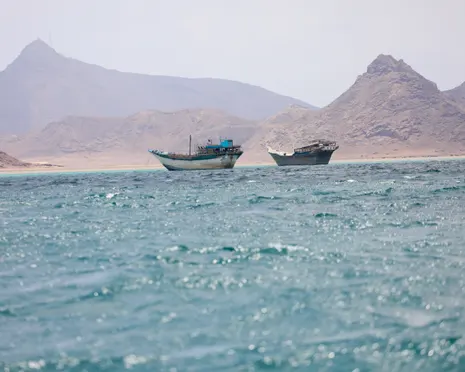
The commercial shipping sector moved quickly to assess the risks. Two oil tankers that had recently loaded Saudi crude for delivery to Asian markets—specifically China and India—executed U-turns on Tuesday. Rather than proceeding toward Houthi-controlled waters at the Red Sea’s entrance, these vessels redirected toward the Suez Canal. According to Houthi claims, six total ships altered their planned routes in response to the escalating situation.
Shipping companies received formal notification through an email distributed on Monday. The message instructed firms to avoid loading or discharging cargo at Saudi Arabian facilities, warning that such operations could result in vessels being targeted “in any location” within the militia’s operational range. The communication concluded with a strong recommendation for companies to “exercise due diligence and the utmost care in all its dealings.”
Diplomatic Efforts Continue Amid Renewed Fighting
The announcement coincided with intensive diplomatic activity aimed at rescuing a collapsed interim agreement between Iran and the United States. Both nations continued launching military strikes during the tenth consecutive day of renewed hostilities. Iranian Interior Minister Eskandar Momeni, recognized as a key mediator in the conflict, made an important visit to Pakistan during this period.
Behind-the-scenes sources indicated that both Washington and Tehran might be exploring pathways to de-escalate the latest wave of intensive strikes. According to the news platform Axios, the Trump administration was evaluating whether to intensify military operations or pursue a ten-day ceasefire to establish conditions for renewed negotiations.
U.S. Secretary of State Marco Rubio emphasized that Washington remained receptive to dialogue with Iran, though he stressed that “it has to be real.” This condition suggests that substantive commitments would be required from Tehran for meaningful progress.
Strategic Implications for Global Energy Markets
Allison Minor, a Middle East specialist at the Atlantic Council thinktank, provided crucial analysis of the situation. She noted that while the Houthis have not yet specified which vessels they will target, their blockade intentions clearly indicate that any ship visiting Saudi ports and transporting Saudi oil would face potential threats. Minor explained that oil currently moving through the strait from northern routes primarily serves Asian markets.
During their previous Red Sea campaign, the Houthis established arrangements with Russia and China allowing their vessels to navigate freely. However, Minor suggested that the militia might demonstrate less willingness to extend similar accommodations to Chinese ships carrying Saudi petroleum products.
Between 2023 and 2025, Houthi forces utilized small boats, drones, and missiles to assault more than one hundred commercial vessels. This sustained campaign effectively rendered the twenty-mile-wide strait “too risky for most shippers,” according to Minor’s assessment.
While the Houthis maintain their own agenda concerning long-standing hostilities with Riyadh—occasionally targeting Saudi energy infrastructure with long-range attacks—Iran has simultaneously sought to draw Yemen into a broader conflict designed to constrain global energy supplies. Tehran has previously urged the Houthis to close the Bab el-Mandeb strait if American attacks on Iranian power infrastructure continued.
Iran views threats to maritime traffic around the Bab el-Mandeb as a strategic counterweight to American efforts to restrict Iranian movement through the Strait of Hormuz. This demonstrates Tehran’s continued diplomatic and military flexibility, even just a week and a half into renewed full-scale hostilities.
The economic stakes remain substantial. With twenty-five percent of global oil and gas shipments passing through the combined Hormuz and Bab el-Mandeb straits, any significant restrictions on maritime traffic would generate considerable worldwide economic consequences. The Houthi threat, arriving alongside Iran’s parallel warnings to shipping in the Gulf, could substantially impact Saudi oil exports that have relied on steady Red Sea passage for years.
Related SEO Topics
Frequently Asked Questions
What is Houthis threaten to attack shipping tankers?
Houthis threaten to attack shipping tankers is the main topic covered in this article, with practical context to help readers understand the subject clearly.
Why does Houthis threaten to attack shipping tankers matter?
Houthis threaten to attack shipping tankers matters because it helps readers compare options, avoid common mistakes, and make a more informed decision.
How should readers use this Houthis threaten to attack shipping tankers guide?
Use the key points, examples, and related links in this page as a starting point, then review the latest details before making a final decision.