The Link Between Overconsumption and Isolation
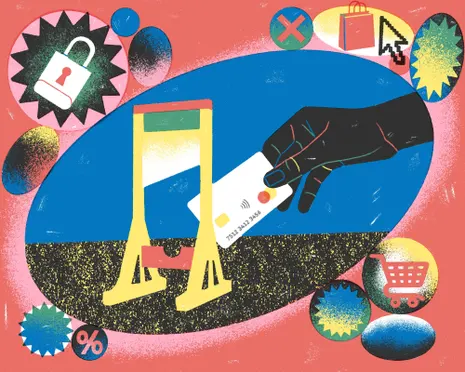
Wanderstayfinder.com – For years, I’ve found myself trapped in a repetitive, costly pattern: when boredom or sadness strikes, I instinctively reach for my phone and scroll through endless shopping options. The allure of a new purchase often feels like a cure for my mental state. These shoes will elevate my confidence! This face wash will ensure lasting beauty! Sometimes, the thrill lingers for days after the item arrives, but the euphoria quickly fades—often before the transaction is finalized. This leaves me questioning, “Why did I do that?”
Why Impulse Shopping Persists
According to Alexa Brown, a musician with the Omaha Symphony and creator of the YouTube channel *Conscious Consumerism*, modern society is designed to encourage spending at every opportunity. “Our culture is structured to keep consumers engaged,” she explains. Factors like targeted ads, personalized data tracking, and influencers promoting products continuously reinforce the idea that buying more is a sign of success. “Overconsumption isn’t just a habit—it’s an ideal,” Brown argues, highlighting how societal pressures turn shopping into a form of self-validation.
“There’s probably some other problems that need to be addressed if I’m spending to feel happy.”
Nicholas Garofola, a content creator who focuses on minimalism and frugal living, adds that shopping can serve as a temporary solution to emotional discomfort. “It’s exciting to acquire something new,” he says. The novelty of owning a product often masks deeper feelings of stress or uncertainty. For many, this behavior becomes a default response when they’re unsure of alternative ways to cope. Shelby Orme, a sustainability expert and content creator, notes that some people rely on shopping as a primary activity, especially when hobbies are absent. “It becomes a way to fill time,” she says. “But stepping away from it can feel lonely.”
Financial and Emotional Costs
The consequences of overbuying extend beyond personal satisfaction. In the UK, the average adult holds £1,425 in credit card debt, while in the US, the figure climbs to $6,715. These numbers underscore the growing financial strain on individuals. Garofola reflects on his own experience, describing the burden of owning items he never uses. “It feels like carrying extra weight,” he says. The act of shopping to distract from unhappiness can perpetuate cycles of debt, affecting both mental and physical well-being. Research links financial stress to increased anxiety, reduced life satisfaction, and even physical symptoms like migraines and digestive issues.
Dr. James Grubman, a psychologist at Family Wealth Consulting in Boston, warns that overspending can strain relationships. “It’s not just about personal finances—it’s about how we interact with others,” he says. When money is tight, requests for funds can create tension, whether through direct borrowing or shared financial burdens. This ripple effect highlights the interconnectedness of individual choices and collective well-being.
Environmental Impacts of Consumerism
Overconsumption also takes a toll on the planet. Brown points out that many affordable, trend-driven goods—particularly clothing—are made from synthetic materials like plastic. “The reality is that much of what we buy ends up in the trash within weeks,” she says. This fast fashion cycle is fueled by high demand, with industry reports indicating that 10% to 40% of annual clothing production remains unsold. These unused items often find their way to countries such as Ghana and India, where they contribute to pollution and health risks for local communities.
Garofola emphasizes that the environmental cost of consumer culture is both immediate and long-term. “Every purchase adds to the mountain of waste,” he says. The convenience of online shopping, with its endless product options and instant delivery, exacerbates this issue. It’s easy to overlook the lifecycle of an item once it’s in your hands, but the accumulation of discarded goods has far-reaching consequences. This prompts the question: how can we shift from a mindset of constant acquisition to one of mindful consumption?
Strategies for Reducing Unnecessary Spending
Experts suggest several steps to combat overconsumption. One approach is to pause before making a purchase. “Take a moment to evaluate whether you truly need the item,” advises Garofola. This simple act can break the chain of impulse buying. Additionally, focusing on quality over quantity is key. “Invest in items that last longer and serve a greater purpose,” Brown recommends. This not only reduces waste but also fosters a deeper connection to the things we own.
Another strategy is to reframe the purpose of shopping. Orme suggests asking, “What am I trying to fill?” rather than relying on the act itself. “Shopping becomes a hobby when there are no other options,” she says. By incorporating hobbies, creative projects, or social activities into daily life, people can find alternatives to the consumerist treadmill. Brown also encourages small, consistent efforts. “It’s not about perfection—it’s about progress,” she says. Every choice to buy less contributes to a more sustainable future.
“This is not an exercise in morals or being holier-than-thou,” says Brown. “But it is productive to make every small effort toward less wasteful ways of buying and using stuff. We’re all in this together.”
Mindful Consumption as a Path to Joy
Contrary to popular belief, minimalism doesn’t mean depriving oneself of pleasure. Instead, it’s about redirecting resources toward activities that genuinely enhance well-being. Garofola explains, “When you stop wasting time and energy on unnecessary purchases, you create space for what truly matters.” This shift can lead to greater satisfaction, whether through hobbies, relationships, or personal growth. The key lies in recognizing that happiness isn’t always tied to ownership.
By adopting a more intentional approach, individuals can reclaim their time and energy. This might involve setting a budget, limiting exposure to marketing, or even keeping a shopping log to track patterns. Over time, these habits can reduce the urge to buy out of habit or stress. As Brown concludes, “Shopping less isn’t about cutting off from the world—it’s about connecting more deeply with it.”
Conclusion
Overconsumption isolates us not only financially but also emotionally and environmentally. It creates a cycle where the thrill of a purchase is quickly overshadowed by regret and guilt. However, by understanding the triggers and implementing small, sustainable changes, we can move toward a more balanced relationship with consumption. The journey to shopping less is about self-awareness, not self-judgment. As the article suggests, it’s a collective effort—one that can lead to a healthier, more fulfilling life.