One Person Dies Amid Legionnaires Disease Outbreak in New York City
One person dies amid legionnaires disease – A significant legionnaires’ disease outbreak that has sickened dozens of people in New York City has claimed its first life, health officials confirmed on Friday. The death marks a serious development in what has become one of the city’s most notable public health concerns in recent years. Officials declined to release additional information about the deceased person’s identity, age, or specific details regarding when and how they contracted the illness. Investigators continue working to pinpoint the exact source of the outbreak on Manhattan’s Upper East Side, which has infected at least 67 people and hospitalized dozens of others, according to the latest city health department data.
Understanding the Outbreak and Its Causes
Much of the public and scientific scrutiny has focused on the air-conditioning systems atop many large buildings in the affected area, which can release water vapor carrying the bacteria into the surrounding environment. Legionnaires’ disease, a severe form of pneumonia caused by the Legionella bacteria, is generally treatable with antibiotics but kills approximately 10% of patients, according to the US Centers for Disease Control and Prevention. This current outbreak follows a similar pattern to last year’s incident, when seven people died and more than 100 were sickened during an outbreak in New York’s Harlem neighborhood.
City officials began tracking the current outbreak on 2 July, after two people were initially infected in the area. The city says tests have identified either living or dead Legionella bacteria – the microorganisms that cause the disease – in cooling towers on more than 75 Upper East Side buildings.
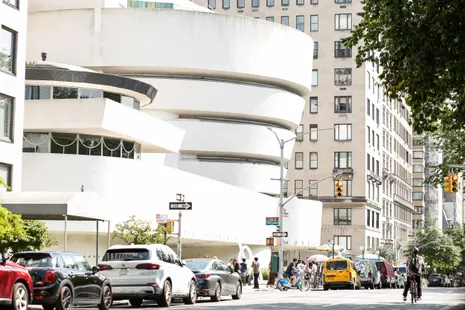
These affected buildings include prominent museums, private schools, and pricey apartment houses that are located throughout the neighborhood. It’s not yet clear which, if any, of them contributed to the outbreak, but all the buildings were ordered to clean, drain and disinfect the cooling towers, which are devices sometimes used to cool large buildings. Legionella bacteria grow in warm water and can spread in cooling towers, hot tubs and showerheads. In many cases, people contract the disease by inhaling tiny droplets of contaminated water from these sources.
Health experts emphasize that legionnaires’ disease doesn’t spread person to person, which means the risk of transmission through direct contact is minimal. This characteristic has helped officials focus their investigation on environmental sources rather than tracking potential human-to-human transmission chains. The city has implemented additional monitoring protocols to ensure that no new cases emerge from the affected buildings.
Residents and visitors in the Upper East Side are advised to be aware of symptoms, which typically include fever, chills, muscle aches, and cough. Most people who develop the disease do so after being exposed to contaminated water sources, particularly in the weeks following the initial infections. The city’s health department continues to work closely with building management companies to identify and address potential sources of contamination throughout the neighborhood.