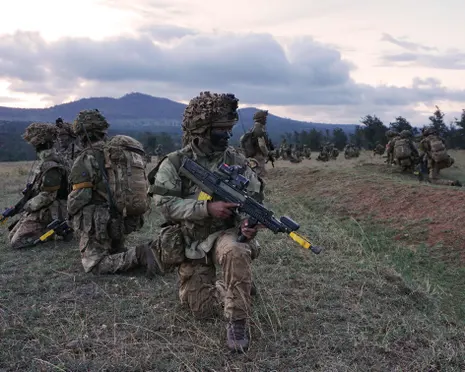
Kenya Blocks British Army Training Amid Defence Agreement Standoff
Wanderstayfinder.com – The British military has been compelled to halt its scheduled training operations in Kenya following a refusal by the Kenyan government to approve a bilateral defence accord. While London sought to extend the current arrangement, Kenyan legislators pushed for modifications that would empower local authorities to hold British servicemen accountable for any infractions committed within the country’s borders.
Jurisdiction and Financial Disputes
According to the Kenyan news outlet the Daily Nation, the core of the disagreement involves which legal cases Kenya will maintain primary jurisdiction over. Additionally, the financial compensation Britain provides Kenya for hosting the training camp has emerged as another contentious issue between the two nations.
Nelson Koech, who chairs the Kenyan national assembly’s defence, intelligence and foreign relations committee, confirmed that both governments are “actively engaging to address these outstanding issues”. This diplomatic effort aims to resolve the impasse before the next training cycle begins.
Training Exercise Cancelled
The consequences of Kenya’s decision have already materialized. A significant exercise involving the 1st Battalion the Duke of Lancaster’s Regiment, originally scheduled to commence in September, has now been called off. The cancellation affects hundreds of soldiers who had prepared for the deployment.
A Ministry of Defence spokesperson provided clarification on the situation:
“The UK highly values its relationship with Kenya, which is underpinned by mutual benefit, respect and cooperation. The UK-Kenya Defence Partnership is one of the great strengths of our relationship. Our joint training and operations with the Kenyan Defence Forces are keeping both Kenyan and British people safe.”
The spokesperson continued, explaining the practical outcome:
“It is with regret that the necessary licences required to allow training to take place in Laikipia later this year have not been forthcoming. As a result, the planned training will now be conducted at an alternative location outside Kenya.”
Economic and Strategic Importance
The training relationship extends beyond British operations. Kenya also benefits substantially from hosting training for its own armed forces at BATUK, the British army base situated near Nanyuki. The continued presence of British troops contributes significantly to the local economy through employment, infrastructure development, and commercial activity.
The MoD spokesperson acknowledged the broader impact:
“We recognise the disappointment this decision will cause for those who would have benefited from the economic activity generated by the exercise.”
Despite the current setback, the UK government remains “committed to our defence partnership with Kenya”, with assurances that the UK would “continue to engage closely with the Kenyan government to support the resumption of training in-country at the earliest appropriate opportunity”.
Public Pressure and Human Rights Concerns
However, sustained pressure from Kenyan citizens opposed to the British army’s ongoing presence has complicated negotiations. Last year, a comprehensive report submitted to the Kenyan parliament regarding the base alleged serious human rights violations, environmental destruction, and instances of sexual abuse committed by British soldiers.
The most prominent case connected to the base involves the death of Agnes Wanjiru. A British soldier has been formally charged with murder in connection with her death. Kenya has retained jurisdiction over this case, and an extradition hearing is scheduled to take place in November.
Robert Purkiss, the soldier in question, denies the single charge of murder. Legal proceedings had remained stalled since Wanjiru’s death in 2012, but gained momentum under John Healey’s tenure as defence secretary. As shadow defence secretary, Healey had previously called on the previous government to do more to progress the case.
Looking Forward
Koech summarized the committee’s position, stating they had called for “stronger accountability measures, including jurisdiction over serious offences, enhanced protection for local communities, and implementation of recommendations arising from the BATUK inquiry”. These demands reflect broader calls for transparency and justice as both nations work toward resolving their differences and restoring full training operations.
Related SEO Topics
- Home
- Artikel terkait MoD cancels army training in Kenya
- Two Russian men jailed in Angola for terrorism and spying
- Orcas seen ramming prey so hard it explodes may be playing game
- Houthis claim strikes on two Saudi tankers as US attacks on Iran widen
- ‘People are looking at Scotland for good fun’: Glasgow prepares for Commonwealth Games
Frequently Asked Questions
What is MoD cancels army training in Kenya?
MoD cancels army training in Kenya is the main topic covered in this article, with practical context to help readers understand the subject clearly.
Why does MoD cancels army training in Kenya matter?
MoD cancels army training in Kenya matters because it helps readers compare options, avoid common mistakes, and make a more informed decision.
How should readers use this MoD cancels army training in Kenya guide?
Use the key points, examples, and related links in this page as a starting point, then review the latest details before making a final decision.