Tempest in the Stalls: A Baby’s Presence Disrupts Kenneth Branagh’s RSC Production
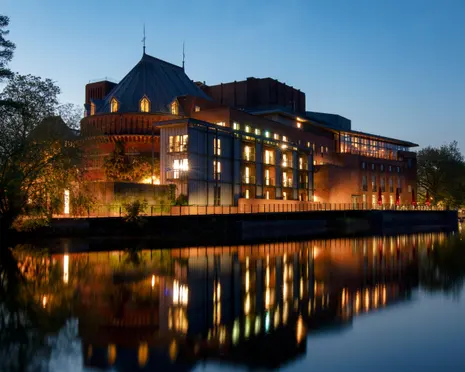
Wanderstayfinder.com – On a recent afternoon at the Royal Shakespeare Company’s Stratford-upon-Avon theatre, the iconic opening scene of *The Tempest*—where Prospero conjures a tempest to shipwreck his brother Antonio—became a stage for a different kind of drama. A baby’s persistent gurgling and cooing throughout the first half of the performance sparked widespread complaints from audience members, leading to a tense situation that forced the mother and child to leave for the second act. The incident, which unfolded during a sold-out matinee featuring Kenneth Branagh as Prospero, highlighted the delicate balance between audience tolerance and the challenges of modern theatre etiquette.
A Disruptive Disturbance
While the play’s stormy beginning was meant to captivate and unsettle, it inadvertently became the focus of a different kind of attention. The baby’s presence, which began during the opening scene, created a ripple effect across the theatre. “There was a young woman with a baby in the audience—*and it mithered all the way through the first act*,” said Sian Morgan, a ticket holder. “Thank goodness there was never any actual screaming or crying, but it was gurgling and cooing and chirping very loudly throughout. It never let up.”
“Theatre audiences generally are very tolerant and progressive, but it was ruining it for everyone as it made it so hard to concentrate—and by the end people were audibly tutting and turning around to show their displeasure,” Morgan added. She described a scene where “queues of people lining up to complain” formed at ticket desks, with several audience members requesting refunds for the experience.
Despite the disruption, the mother and child were not entirely shunned. Instead, they were offered the option to watch the remainder of the show from TV monitors in the theatre’s cafe, a compromise that allowed them to stay while minimizing the impact on others. This solution, while pragmatic, underscored the RSC’s efforts to accommodate families while maintaining the integrity of the performance.
The RSC’s Policy and the Challenge of Noise
The Royal Shakespeare Company has long embraced a family-friendly approach, allowing babes-in-arms to be admitted to all performances. However, the incident raised questions about how to handle disruptions when they occur. According to the RSC’s guidance, if a child becomes too noisy, an adult “may need to watch the show from the screen outside the auditorium with the baby.” This policy is designed to ensure that performances remain enjoyable for all attendees, even as they welcome younger audiences.
For those who found the baby’s presence intolerable, the experience was described as “completely ruined” by one audience member who had made a six-hour round trip to attend the show. “No one wanted to be mean to a young mother, but it was simply extraordinary that she seemed unable to read the room and take the baby outside when it began being noisy,” they said. The comment reflects a growing frustration among theatregoers who feel their focus is being compromised by unexpected interruptions.
David Blunkett and the Impact of Sensory Distractions
Among the attendees was former home secretary David Blunkett, who is blind and relies on auditory cues to engage with performances. His reaction highlighted how sensory disturbances can affect even the most seasoned theatregoers. “I said to the person sitting next to me: ‘I’m very tolerant, but I’m not sure the baby’s getting anything out of this,’” Blunkett remarked. His observation added another layer to the debate, emphasizing that the disruption wasn’t just a nuisance but a challenge to the immersive experience of live theatre.
Branagh’s return to the RSC after three decades was itself a significant event. The production, which cost up to £112 per ticket, had sold out within hours of its release last year. Critics and fans alike had anticipated a masterclass in classical theatre, but the baby’s presence turned the spotlight away from the stage and onto the audience’s shared discomfort. While some praised the RSC’s flexibility, others questioned whether the policy of allowing infants to attend without prior notice was becoming a liability for high-profile productions.
A Broader Debate on Theatre Etiquette
The incident has reignited discussions about theatre etiquette, particularly in light of recent controversies. Last month, Rosamund Pike drew attention to an audience member who was texting during a pivotal scene of *Inter Alia*, sparking a debate about the role of technology in live performances. Similarly, the baby’s disruption has prompted comparisons to these modern-day distractions, with some suggesting that the expectations for quiet and attentiveness are being tested in increasingly unconventional ways.
“Theatre is a space where people come together to share an experience,” said one critic in a post-show review. “But when that experience is overshadowed by a baby’s constant sounds, it becomes harder to appreciate the artistry on stage.” This sentiment resonated with many in the audience, who felt the disruption was not just a minor inconvenience but a disruption to the collective emotional journey of the performance.
Meanwhile, supporters of the policy argued that the RSC’s approach reflects the evolving nature of theatre as a more inclusive space. “Allowing babies to attend ensures that families can enjoy the arts without needing to miss events,” said a spokesperson. However, the incident revealed the tension between this inclusivity and the need for a distraction-free environment. Some audience members suggested that the RSC should promote “chilled performances” for parents with infants, emphasizing a more relaxed atmosphere that accommodates both the child and the adult.
Legacy and Lessons from a Stormy Opening
Despite the disruption, *The Tempest* remains a cornerstone of Shakespeare’s oeuvre, blending magic, politics, and human emotion into a narrative that has captivated audiences for centuries. Branagh’s portrayal of Prospero, known for his commanding presence and nuanced storytelling, was central to the production. Yet, the baby’s antics managed to overshadow even the most compelling moments, reminding theatregoers that no performance is immune to the unpredictability of life.
For the RSC, the incident presents both a challenge and an opportunity. It underscores the need for clearer communication about expectations and the importance of flexible solutions. While some audience members were left feeling frustrated, others expressed empathy for the mother, recognizing that managing a baby in a theatre setting is no easy task. “It’s not about blaming the parent,” one attendee noted. “It’s about finding a way to make everyone’s experience work.”
As the curtain fell on the first half, the audience’s mixed reactions set the stage for a larger conversation about how to balance tradition with modern demands. Whether the baby’s presence was an unfortunate hiccup or a symbolic reminder of the theatre’s role as a communal space, the event left an indelible mark on the evening. For Branagh, whose return to the RSC was celebrated as a triumphant comeback, the challenge of maintaining focus in the face of such unexpected disruptions may become a defining aspect of the performance’s legacy.
Ultimately, the incident serves as a microcosm of the broader cultural shifts in theatre. As productions become more accessible to diverse audiences, the question of what constitutes appropriate behaviour—and how to address it—will continue to evolve. For now, the RSC faces the task of reconciling its inclusive policies with the expectations of its patrons, ensuring that future performances can weather both storms and squeaky shoes without losing their magic.