Women with Irregular Periods Should Be Checked for PMOS, NHS Says
Women with irregular periods should be checked – The National Institute for Health and Care Excellence (Nice) has released updated guidance urging healthcare providers to investigate polyendocrine metabolic ovarian syndrome (PMOS) in women experiencing irregular menstrual cycles. This recommendation targets nearly 4 million individuals in the UK, according to the latest NHS guidelines. Previously labeled as polycystic ovarian syndrome (PCOS), PMOS is now being reclassified to better reflect its broader implications on health and wellbeing.
Prevalence and Health Risks
Global estimates from the World Health Organization suggest that up to 13% of women of reproductive age may be affected by PMOS. The condition, which involves hormonal imbalances and metabolic disturbances, is linked to a range of long-term health complications. These include an increased risk of type 2 diabetes, cardiovascular disease, sleep apnoea, fatty liver disease, and mental health challenges. Women with PMOS are also more likely to face pregnancy-related issues, such as miscarriages or gestational diabetes.
Despite its widespread impact, PMOS is often overlooked or misdiagnosed, especially in women who have entered menopause or have eating disorders. The new guidance emphasizes that these symptoms should not be dismissed as natural or unavoidable, highlighting the need for more consistent and thorough evaluations. Researchers warn that early detection and management can significantly reduce the burden of chronic health conditions associated with the syndrome.
Expanded Scope of the Guidance
Nice’s recommendations now include girls over the age of 10, as well as adult women, trans men, and non-binary individuals who are not undergoing gender reassignment therapy or surgery. This shift reflects a growing recognition of PMOS’s relevance across diverse gender identities. The guidance advocates for a standardized approach to diagnosis and treatment, aiming to ensure all affected individuals receive appropriate care regardless of their background.
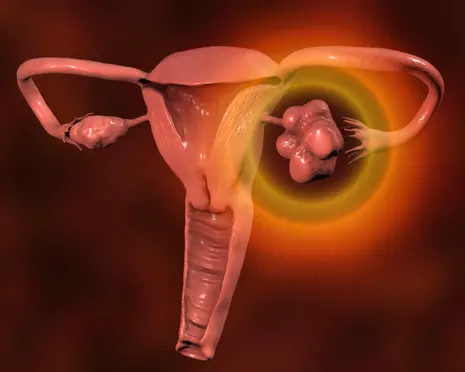
Diagnosis involves a combination of blood tests to measure hormone levels and, in some cases, ultrasound scans to assess ovarian structure. These tests help identify multiple small follicles, a hallmark of the condition. The guidance also notes that PMOS may be more common in Black, Asian, and mixed ethnicity women, urging healthcare professionals to consider this demographic factor when evaluating symptoms.
Treatment and Management
Once diagnosed, individuals with PMOS are advised to undergo annual reviews to monitor key symptoms like menstrual irregularities and excess hair growth. These reviews should cover cardiovascular health, diabetes risk, obesity management, and mental wellbeing. The emphasis on regular monitoring underscores the syndrome’s chronic nature and the importance of long-term care.
For women meeting standard IVF criteria, the guidance recommends fertility treatment as part of their management plan. However, laser hair removal and light therapies are not prioritized, as Nice cites cost-effectiveness concerns. The NHS could spend up to £100 million annually on these procedures for PMOS patients, according to estimates. This financial consideration highlights the need to allocate resources efficiently to address more critical health needs.
International Collaboration
The draft guidelines are informed by an international evidence-based framework developed by Monash University, which has been adopted by over 100 nations. This collaboration ensures that the recommendations are grounded in global research, enhancing their credibility and applicability across different healthcare systems. The inclusion of such guidelines reflects a commitment to aligning UK practices with international standards.
“PMOS is a common but often overlooked condition that can have a major impact on health and wellbeing. Recommending a simple annual review is an important step towards ensuring people get the ongoing care and monitoring they need,” said Marianne Ledingham, Nice’s consultant clinical advisor for women’s and reproductive health.
Ledingham added that the new guidance aims to improve the consistency of care and raise awareness about the syndrome. She emphasized that earlier diagnosis and treatment can help mitigate long-term complications and enhance quality of life. The guidance also acknowledges the inequalities faced by women with PMOS, particularly in accessing timely and effective care.
The consultation period for the draft guidelines runs until 11 August 2026, with final recommendations expected by December of the same year. This timeline allows for feedback from healthcare professionals, patients, and advocacy groups, ensuring the guidelines are well-rounded and practical. The process also underscores the collaborative nature of healthcare policy development in the UK.
Expert Reactions
Dr. Rachel Reid-McCann, an Oxford University researcher and author of a prior study on period pain, praised the guidance for addressing the long-term consequences of irregular periods. She noted that symptoms like menstrual irregularities and fertility challenges can lead to chronic health issues if left unaddressed, making early investigation critical.
“Not only can irregular periods be burdensome in the short term, but they have also been associated with longer-term chronic health and reproductive outcomes, making prompt investigation important,” Reid-McCann explained. “A PMOS diagnosis in those with irregular periods can open up access to treatment, support, and advice that can help improve symptoms and may also reduce longer-term health risks.”
Janet Lindsay, chief executive of Wellbeing of Women, welcomed the updated guidelines as a significant step forward. She highlighted that delays in diagnosis and inconsistent care have historically disadvantaged women with PMOS, with symptoms often dismissed as a normal part of life. “For too long, women with [PMOS] have faced delays in diagnosis and inconsistent care. Too often, symptoms such as irregular periods, fertility difficulties, or concerns about weight have been dismissed as something they must simply live with,” Lindsay stated.
The new guidance also emphasizes the importance of addressing inequalities in healthcare access. By recognizing PMOS as a complex, lifelong condition, the NHS aims to provide comprehensive support for all affected individuals, regardless of age, ethnicity, or gender identity. This approach is expected to foster a more inclusive and effective healthcare system.
As the consultation period approaches its deadline, the focus remains on ensuring that the guidelines are implemented consistently across the UK. The updated recommendations are part of a broader effort to improve women’s health outcomes and reduce the disparities associated with PMOS. With the final guidelines set for December 2026, the NHS is positioning itself to lead in the diagnosis and management of this condition, offering a model for other healthcare systems to follow.