Burnham’s Cost of Living Pledge
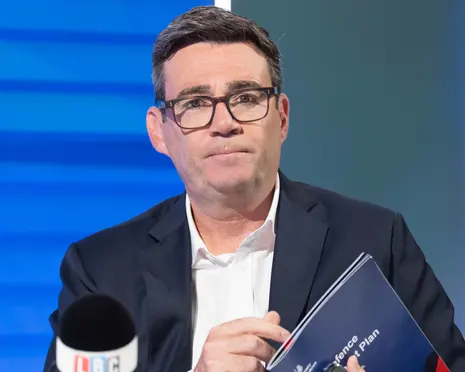
Burnham promises to ease cost of living – Following his return to the House of Commons, Andy Burnham has outlined his vision for addressing rising living costs should he assume the role of prime minister. In a recent interview with LBC, the Makerfield MP emphasized his commitment to immediate action on economic pressures, stating that his policies would focus on alleviating financial strain for both households and businesses. Burnham’s remarks came as he prepares to take on the leadership of the Labour Party, with allies anticipating a decisive shift in his approach to governance.
Key Policy Proposals
Burnham proposed a range of measures aimed at reducing everyday expenses, including a plan to lower business rates for high street retailers. He suggested that reallocating charges from warehouses and urban developments could free up resources to support pubs and other small businesses. This idea reflects his belief that the current system disproportionately burdens certain sectors, leaving room for adjustments within the 2024 manifesto.
“There is some room within [the 2024] manifesto for movement on tax. So if you take business rates, for instance, I believe there is a case for higher business rates on warehouses and the major developments we see on the outskirts of our cities, so that we can cut business rates for pubs.”
He also highlighted the need to address energy and water costs, advocating for public ownership of utilities to bring down bills for consumers. Burnham argued that energy expenses have become unsustainable, and that more control over these essential services would create a tangible impact on households. His plans extend to transport, with a proposal to make bus travel free for 16- to 18-year-olds as part of a broader strategy to ease financial burdens.
Burnham’s allies have pushed for additional interventions, such as freezing private sector rents for a year, removing green levies from energy bills, and redistributing funding through taxation. These measures, they argue, could be included in a comprehensive cost-of-living package designed to provide immediate relief. However, the feasibility of such policies hinges on securing sufficient funding, a challenge that has yet to be fully addressed.
Funding Challenges and Policy Trade-offs
While Burnham’s proposals resonate with public sentiment, their implementation faces logistical hurdles. Treasury officials caution that raising capital gains tax, a suggestion put forward by Wes Streeting, the former health secretary and likely cabinet member, may not generate the necessary revenue to sustain these initiatives. Streeting, who has been vocal in his support for Burnham, emphasized the need for a balanced approach, stating that public control of utilities alone may not suffice without significant investment in infrastructure.
Burnham has also assured the public that he will not relax borrowing rules to fund his ambitious agenda. “I am not indisciplined when it comes to the public finances – I was in the Treasury, I ran the Department of Health,” he said. This pledge underscores his intention to maintain fiscal responsibility while pursuing social reforms. Nevertheless, the question remains: how will he reconcile these goals without compromising the budget?
Public Reaction and Electoral Impact
Recent polls indicate that Burnham’s commitment to direct intervention in the cost of living crisis could bolster Labour’s appeal to voters. A study by Persuasion UK suggests that adopting a platform of “cost of living populism” might result in Labour securing 263 additional parliamentary seats compared to its current trajectory. This projection highlights the potential political dividends of Burnham’s strategy, particularly in regions where economic hardship is most pronounced.
However, the success of these measures depends on public perception of their effectiveness. Experts warn that while public control of utilities is a popular concept, it may require substantial investment to achieve long-term savings. For instance, the water industry alone needs significant capital to maintain and upgrade infrastructure, which could offset some of the intended cost reductions. Burnham’s allies acknowledge these risks, stressing the importance of careful planning and execution.
Burnham’s Connection to Manchester
Burnham has also signaled his intent to anchor part of the prime ministerial operation in Manchester, a move that reflects his personal ties to the city. During a Thursday appearance, he confirmed that his preferred location for “No 10 North” is a digital campus near Manchester Piccadilly station. This decision aligns with his vision of decentralizing power and fostering a closer connection to working-class communities.
“I will spend time there, because I think it’s really important to show a new drive around taking power out of Westminster,” Burnham explained. His focus on Manchester is not only symbolic but strategic, aiming to position himself as a leader who understands the challenges of urban and regional economies. The city’s role as a hub for innovation and public service could reinforce his message of reform and accessibility.
Broader Implications for Labour’s Agenda
Burnham’s plans to tackle cost of living pressures represent a pivotal shift in Labour’s political strategy. By emphasizing direct intervention and public ownership, he is positioning himself as a champion of grassroots economic solutions. This approach contrasts with more traditional methods of policy-making, offering a fresh perspective on how to address the nation’s financial challenges.
Yet, the path to implementation is not without obstacles. While the public may support these measures, the government’s ability to fund them will determine their success. Burnham’s insistence on maintaining fiscal discipline adds complexity to his promises, requiring a delicate balance between ambition and pragmatism. As the Labour Party prepares for the next phase of its campaign, the challenge will be to translate these proposals into a coherent and sustainable policy framework.