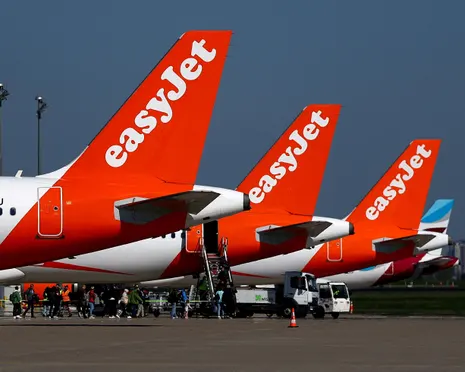
EasyJet Agrees to £5bn Takeover by US Investment Firm
EasyJet agrees to 5bn takeover by US – Britain’s largest low-cost airline, EasyJet, has entered into a £5 billion acquisition agreement with Castlelake, a US-based investment firm, marking a significant shift in the company’s ownership structure. The deal will see EasyJet transition from public to private ownership, ending its listing on the stock market. This development follows months of intense negotiations, during which Castlelake submitted multiple revised proposals to secure the necessary approval from EasyJet’s board and shareholders. The announcement of the deal came as a surprise to many, given the airline’s previous reluctance to accept offers that fell short of its perceived value.
Deal Progress and Shareholder Considerations
The companies revealed their agreement in principle on Sunday evening, releasing a statement to the financial markets that outlined the key terms of the transaction. This agreement was preceded by a request for an extension to the formal completion deadline, which was originally set for earlier in the month. The extension, now granted, allows Castlelake additional time to finalize the deal’s details and present a binding offer to EasyJet’s shareholders. The airline’s board has expressed openness to the deal, stating it would be willing to recommend the proposal to investors if a final offer is made.
Castlelake’s latest offer of £6.90 per share represents a marked increase from its previous proposal of £6.50, which EasyJet had rejected just ten days prior. At the time, the airline’s executives argued that the £6.50 per share price significantly undervalued the company, failing to account for its long-term growth potential and operational efficiency. The revised offer, however, reflects a more competitive valuation, aligning with EasyJet’s aspirations to strengthen its market position and invest in future expansion. Shareholders are now expected to evaluate the new terms, though the final decision will depend on the details of the binding agreement.
Castlelake’s Commitment to EasyJet’s Future
“Castlelake has emphasised its tremendous respect for EasyJet and its people, along with its intention to support its future growth and transformation to a stronger, more resilient European airline for the benefit of all stakeholders if the transaction proceeds to completion,”
stated the investment firm in a joint declaration with EasyJet. This commitment underscores Castlelake’s strategic vision for the airline, which includes modernizing its fleet and reducing reliance on older aircraft. The firm has highlighted its support for EasyJet’s plan to replace its current fleet with more fuel-efficient models, a move that could enhance profitability and reduce environmental impact. Such initiatives are expected to align with Castlelake’s focus on sustainable growth and long-term value creation in the aviation sector.
Castlelake’s interest in EasyJet comes amid a broader trend of private equity firms acquiring stakes in European airlines to streamline operations and optimize costs. The airline’s decision to accept the revised offer may be influenced by its need for additional capital to fund expansion projects and navigate the challenges of the post-pandemic recovery. EasyJet’s current market position as a key player in the UK’s low-cost aviation industry makes it an attractive target for strategic investment. However, the transition to private ownership could also bring about changes in management style and corporate direction.
Historical Context and Industry Implications
EasyJet’s journey toward privatization has been shaped by a series of offers and rejections over the past several months. The initial proposal of £6.50 per share was deemed insufficient by the airline’s board, which emphasized the need for a higher valuation to reflect EasyJet’s market potential. The subsequent increase to £6.90 per share signals Castlelake’s willingness to adjust its strategy and meet the airline’s expectations. This development also highlights the evolving dynamics of the European aviation market, where private equity firms are increasingly playing a pivotal role in reshaping airline operations.
For Castlelake, the acquisition of EasyJet represents a bold step into the airline industry, which has been a focal point for private investment in recent years. The firm’s expertise in financial restructuring and operational efficiency could prove invaluable in navigating the complexities of EasyJet’s business model. However, the success of the deal will hinge on its ability to balance short-term cost-cutting measures with long-term growth initiatives. Analysts suggest that the takeover could accelerate EasyJet’s plans to expand its route network and introduce more environmentally friendly aircraft, which are critical for maintaining competitiveness in an increasingly regulated industry.
The deal’s completion is contingent upon Castlelake meeting its deadline of 5pm on 3 August, after which it will have the option to walk away if a firm offer is not finalized. This timeline adds pressure to the negotiations, as both parties seek to secure the deal before market uncertainties resurface. EasyJet’s decision to accept the revised offer also raises questions about the potential for further restructuring, including the possibility of reducing debt or reallocating resources to bolster profitability. The airline’s current financial health, bolstered by strong passenger demand and improved operational performance, makes it an appealing candidate for private ownership.
Shareholder Perspectives and Market Reactions
While the offer of £6.90 per share is seen as a positive development, shareholders may remain cautious about the long-term implications of the deal. The transition to private ownership could limit public scrutiny of EasyJet’s financial decisions, which may be viewed as a double-edged sword. On one hand, it could provide greater flexibility in managing the airline’s operations; on the other, it might reduce transparency for investors. However, the airline’s executives have framed the takeover as a strategic opportunity to unlock new value and ensure a more stable financial future.
EasyJet’s inclusion in the FTSE 250 index has made it a symbol of the UK’s mid-sized corporate sector, and its privatization could set a precedent for other companies in similar industries. The deal’s success may also influence the broader European aviation landscape, where airlines are under pressure to adapt to changing consumer demands and regulatory requirements. Castlelake’s focus on innovation and efficiency could position EasyJet as a leader in the next phase of industry transformation, particularly in the areas of technology integration and sustainable practices.
As the final offer approaches, both parties are likely to continue refining their proposals to address any remaining concerns. The airline’s board has indicated that it remains open to further discussions, while Castlelake has reiterated its commitment to supporting EasyJet’s growth trajectory. The outcome of this deal will not only determine the future of EasyJet but also provide insights into the role of private equity firms in reshaping the aviation sector. With the deadline looming, the final stages of negotiations are expected to unfold in the coming weeks, setting the stage for a potential landmark transaction in the industry.
Meanwhile, the broader market has been abuzz with speculation about the implications of the takeover. Industry experts suggest that the deal could serve as a catalyst for other airlines to consider similar strategies, particularly those seeking to enhance their financial resilience. EasyJet’s ability to secure a premium valuation at this stage reflects its strong market position and the confidence that Castlelake has in its long-term prospects. As the August 3 deadline approaches, the focus will shift to the specifics of the binding offer and its impact on the airline’s operations, workforce, and stakeholder relationships. The final announcement will likely be a turning point for EasyJet, signaling a new era of private ownership and strategic reinvention.
Castlelake’s involvement also highlights the growing influence of US investment firms in the European aviation market. With a proven track record in acquiring and revitalizing businesses, the firm is well-positioned to leverage EasyJet’s existing infrastructure while driving innovation. The proposed changes to the airline’s fleet and operational strategies are expected to align with global trends in sustainability and cost optimization, which are increasingly important in the modern aviation sector. As the deal progresses, it will be crucial to monitor how these adjustments translate into tangible improvements for EasyJet’s financial performance and market competitiveness.
Despite the progress made in recent weeks, the path to privatization is not without challenges. The airline’s management team will need to address concerns from employees and customers, ensuring that the changes proposed by Castlelake do not disrupt service quality or employee morale. Additionally, regulatory approvals will be necessary to complete the transaction, adding another layer of complexity to the process. With the clock ticking down, the final stages of the deal will be pivotal in determining whether EasyJet’s transition to private ownership will be smooth or fraught with obstacles.
Looking Ahead
As Castlelake prepares to finalize its offer, the aviation industry will be watching closely for any signals that the deal could set a new standard for private equity involvement in European airlines. The success of this transaction may also influence the valuation of other low-cost carriers, potentially reshaping the market landscape. For EasyJet, the takeover presents a chance to reposition itself as a more agile and forward-thinking airline, capable of weathering future economic challenges. The company’s journey from public to private ownership is likely to be a defining moment in its history, with far-reaching consequences for its operations, strategy, and stakeholder relationships.
Ultimately, the deal represents a strategic move by both parties to capitalize on the current market conditions and unlock new opportunities for growth. While the final terms remain to be confirmed, the agreement in principle has already sparked a wave of speculation about the future of EasyJet. With the August 3 deadline fast approaching, the next few weeks will be critical in determining whether this ambitious takeover will come to fruition