Levi’s Sues Australian Clothing Brand for Copying Pocket Tabs Design
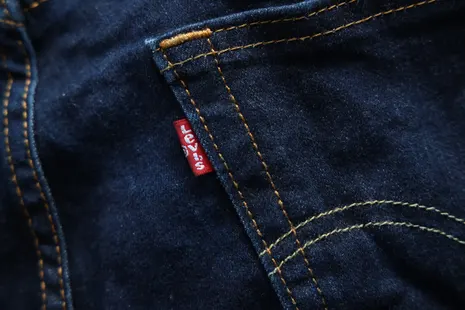
Wanderstayfinder.com – Levi’s sues Australian clothing brand Globe, alleging the company has copied its signature pocket tab design. The iconic American denim brand, Levi Strauss & Co, filed a lawsuit against Globe and its subsidiary S-Double, claiming their products imitate the trademarked feature. This marks another legal battle in a long-standing dispute, which began in 2010 when Levi’s first accused the Australian brand of intellectual property infringement. The current case, filed in California’s northern district, focuses on the design of fabric tabs on pocket edges, a key element of Levi’s identity.
Levi’s Claims of “Blatant Copying”
The lawsuit argues that Globe and S-Double have replicated Levi’s distinctive pocket tab design, which has been in use since 1936. Levi’s asserts that its trademarked feature—featuring a specific shape and placement of tabs—is not just a functional detail but a symbol of its heritage. The brand claims that Globe’s use of red and white tabs on shirts and pants has led to confusion among consumers, undermining Levi’s reputation for authenticity and quality. This is part of a broader strategy to protect its intellectual property from competitors.
Legal Strategies and Trademark Enforcement
Levi’s has consistently defended its pocket tab design through legal action. Over the years, the brand has sued other fashion houses, such as Yves Saint Laurent and Brunello Cucinelli, for similar alleged violations. The company emphasizes that the tab’s shape is inherently distinctive, making it a strong trademark. In this case, the complaint highlights how Globe and S-Double’s design choices have eroded the uniqueness of Levi’s brand, even as they continue to use the same visual elements. The legal team seeks to enforce the trademark and prevent further dilution of its identity.
Financial and Reputational Impact
Levi’s estimates the legal action could result in significant financial losses due to consumer confusion. The company, valued at $8.8 billion on the NYSE, claims its reputation has been damaged by Globe’s alleged copying. While Globe, worth around $71 million (A$100 million), relies heavily on the Australian market, Levi’s argues the impact of the design mimicry extends globally. The complaint states that the defendants’ actions have caused “irreparable harm,” with Levi’s seeking damages, interest, and legal costs to compensate for lost profits and brand value.
“The pocket tab design is famous and recognized worldwide, including in the United States, as a mark of genuine Levi’s quality,” the court filing notes. “Defendants’ use of the same design has misled consumers and diminished the brand’s distinctiveness.”
Historical Context and Legal Precedents
Levi’s has a history of legal battles over its pocket tab design. In 2010, the brand secured a settlement with S-Double, requiring the company to stop selling pants with vertical seam tabs. However, the lawsuit claims S-Double relapsed into infringement, using nearly identical tabs as early as 2011. This pattern of behavior, according to Levi’s, shows a deliberate effort to bypass previous agreements. The current case builds on this history, reinforcing the brand’s commitment to defending its visual trademarks.
Global Branding and Consumer Perception
The pocket tab design is more than a styling choice—it is a cornerstone of Levi’s global branding. The company has positioned it as a marker of authenticity, with variations in color or text not enough to obscure its iconic shape. This legal action underscores the importance of visual consistency in fashion, where consumer trust in a brand’s quality is closely tied to its recognizable features. As the dispute unfolds, it will test how effectively trademarks can safeguard a brand’s heritage and market presence.