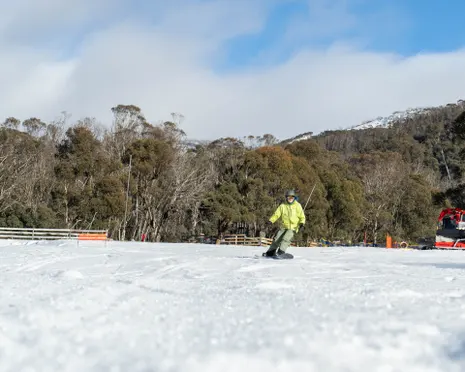
Australian Snow Season Begins Amid El Niño Fears
Wanderstayfinder.com – The 2026 Australian snow season has officially kicked off, with resorts reporting promising early conditions despite looming concerns over climate change and the El Niño weather pattern. Following a weekend of significant snowfall in the Victorian and New South Wales alpine regions, the Bureau of Meteorology (BoM) confirmed that the season is underway, though forecasts suggest potential challenges ahead. Light snow showers, which swept through the mountains earlier this week, are expected to transition into frosty nights and sunny days over the weekend, setting the stage for a mixed start to the season.
Early Snowfall and Resort Strategies
Between 20cm and 40cm of snow blanketed parts of the alpine areas before the long weekend, with artificial snowmaking systems playing a crucial role in supplementing natural accumulation. Resorts are increasingly turning to advanced technologies such as snow cannons, snow factories, and grooming equipment to maintain quality conditions for skiers and snowboarders. At Thredbo, general manager Stuart Diver highlighted the resort’s efforts to ensure a robust season, noting that early sales have been strong and confidence remains high despite forecasts of lower-than-average snowfall.
“We’re pretty confident it’s going to be a good season,” Diver said, emphasizing that the resort is well-positioned to meet demand even with the current climate uncertainties.
While the BoM cautioned that El Niño could lead to a combination of dry and warm conditions, Diver pointed to last year’s success as evidence that a favorable season is still possible. He argued that the industry’s reliance on technology is a necessary adaptation to maintain operations in the face of shifting weather patterns.
Climate Concerns and Expert Warnings
Senior forecaster Jonathan How of the BoM warned that the convergence of El Niño and climate change poses a serious threat to the sustainability of the snow season. “Dry, warm conditions combined with El Niño are a bad combination,” he explained, adding that these factors could undermine the deep snow cover essential for winter sports. How noted that lower rainfall and rising temperatures are tipping the odds against a successful season, with the potential for slushy conditions that may not satisfy skiers.
Experts have long anticipated that climate trends will impact Australia’s ski seasons. A 2024 Australian National University report projected a decline in the length of the snow season, estimating a reduction of 44 to 55 days by 2050 if current emissions continue. However, the study also suggested that a decrease in carbon emissions could slow this decline, with the season shortening by only 28 days by 2050. By 2080, the report indicated a possible recovery, though it would require sustained efforts to mitigate climate impacts.
“It does not favour good deep snow cover for skiers,” How said, reinforcing the urgency of climate resilience measures for the industry.
Cost-of-Living Crisis and Visitor Behavior
As the snow season begins, the cost-of-living crisis is casting a shadow over the industry’s profitability. Lift pass prices have surged, prompting some visitors to seek cost-effective alternatives. The ABC recently highlighted that skiers are increasingly bringing their own meals, tents, and barbecues to reduce expenses, with online complaints frequently citing the high cost of winter trips. For context, a one-day lift pass in 2010 cost around $100, making it pricier than several global resorts at the time. Today, the average one-day pass exceeds double that amount, though discounts for beginners, multi-day packages, and families are helping to soften the blow.
Vail Resorts, which operates Perisher, Falls Creek, and Hotham, has introduced a promotional offer of a $99 pass with an optional $1 lesson to mirror the 2010 price point. Dani Wright, the company’s senior communications manager, described interest in the 2026 season as “strong,” even without releasing detailed sales figures. This suggests that despite financial pressures, the allure of winter sports continues to draw crowds, albeit with some adjustments to spending habits.
Snow Making as a Critical Infrastructure
The Snow Resorts Australia Summit in May underscored the importance of snowmaking as a vital tool for the industry’s survival. Industry leaders argued that the technology is not just a convenience but a necessary public infrastructure to sustain winter tourism. Diver, reflecting on the summit’s insights, stated that Thredbo is investing in snowmaking to future-proof its operations. “We’re in a good spot to make sure the industry is sustainable for decades to come,” he said, noting that diversification is key to long-term resilience.
Thredbo’s efforts include expanding its summer offerings, such as its $10 million alpine coaster, which attracted around 150,000 visitors. Diver highlighted the resort’s growing appeal for mountain biking and hiking, emphasizing that the industry must adapt to multiple seasons. “It’s got to be multi-pronged, you just can’t rely on one thing,” he explained, advocating for a balanced approach that leverages both winter and summer activities.
As the snow season progresses, the interplay between natural conditions and technological intervention will determine its success. While El Niño threatens to reduce snowfall, resorts are doubling down on artificial systems to compensate. However, the long-term viability of these measures depends on broader climate action and economic factors. With winter tourism facing dual pressures from environmental shifts and rising costs, the industry’s ability to innovate and attract visitors will be tested like never before.
Experts remain divided on the future of Australia’s snow season. While some see snowmaking as a lifeline, others caution that it cannot fully counteract the broader impacts of climate change. As the 2026 season unfolds, the outcomes will serve as a barometer for the health of the alpine tourism sector and its capacity to thrive in a warming world.