Spanish hotel chain ceases operations in Cuba: Meliá Withdraws From Cuban Market Amid Intensifying American Pressure A Historic Retreat for Spain's Premier
Meliá Withdraws From Cuban Market Amid Intensifying American Pressure
A Historic Retreat for Spain’s Premier Hospitality Brand
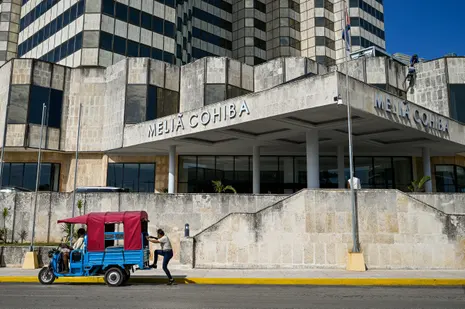
Wanderstayfinder.com – One of Spain’s most prominent hotel operators has announced it will completely halt its activities on the Cuban island by the conclusion of this week. The decision stems from what the company describes as “major difficulties” in conducting business within the Caribbean nation, challenges that have been steadily mounting as Washington increases its diplomatic and economic pressure on Havana. In a formal declaration submitted to the Spanish stock market regulatory authority on Tuesday, the Meliá group provided detailed reasoning for this significant strategic move.
The corporation emphasized that the most recent wave of American sanctions has rendered it “impossible, de facto and de jure, to maintain even minimal operational stability” across its Cuban properties. This dual impossibility—both in practice and according to legal frameworks—has forced the hospitality giant to reconsider its long-standing commitment to the island market. The company further stated that it would dedicate considerable effort to guaranteeing a seamless transition process, aiming to minimize negative consequences for employees, commercial partners, and guests who rely on its services.
Expanding Withdrawal from Military-Linked Enterprises
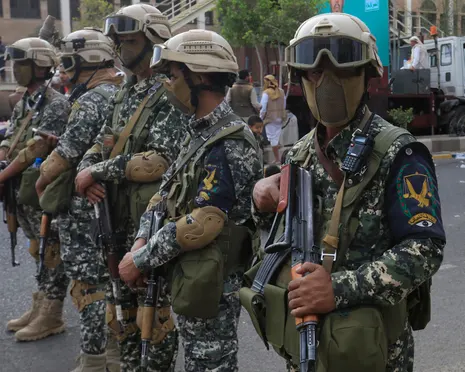
This latest development follows an announcement made just last month, when Meliá revealed plans to shut down fifteen of its thirty-four Cuban establishments. The reduction represents a substantial contraction of operations for what was once considered one of the most successful foreign investments in Cuba’s tourism sector. By pulling out of these properties, Meliá joins an increasing number of international corporations that have chosen to sever connections with GAESA, Cuba’s powerful military-controlled conglomerate that manages much of the island’s commercial infrastructure.
With approximately fourteen thousand rooms spread across its Cuban portfolio, Meliá ranks among the largest international hotel operators on the island. Notably, the company’s earlier announcement regarding the fifteen hotel closures did not address the remaining nineteen properties that continue to operate through partnerships with Cuba’s national tourism ministry. This distinction suggests that Meliá may be selectively withdrawing from military-affiliated ventures while maintaining certain government-linked operations.
Historical Context and Sanctions Timeline
Meliá holds the distinction of being the first Spanish hotel group to establish a foothold in Cuba when the Caribbean nation began opening its tourism industry to international visitors during the 1990s. This pioneering move came at a crucial moment, as Cuba sought to alleviate the severe economic crisis triggered by the dissolution of the Soviet Union, which had previously served as the island’s primary economic partner. The Spanish company’s early investment reflected optimism about Cuba’s potential to attract foreign tourists and generate vital revenue.
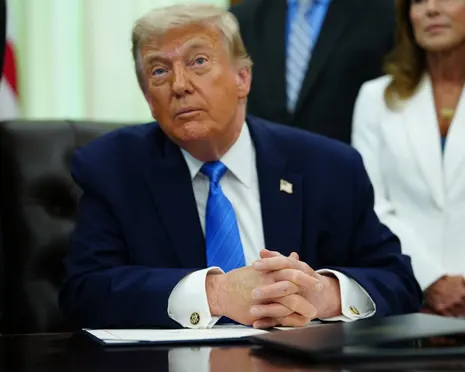
The current withdrawal occurs against a backdrop of escalating American hostility. President Donald Trump issued new sanctions in May targeting a wide array of Cuban individuals and entities. These measures go beyond traditional diplomatic penalties, explicitly threatening foreign banks and multinational corporations that continue to conduct business with the sanctioned parties. The broad scope of these penalties has created an environment where maintaining operations in Cuba has become increasingly risky for international businesses.
Broader Economic Implications
Compounding the existing challenges is the comprehensive economic embargo that Washington has maintained against Cuba since 1962. This decades-long restriction has gradually tightened, with particularly significant developments occurring more recently. Since January, American authorities have effectively blocked all oil shipments to the island, with only a single Russian vessel permitted to deliver fuel under special arrangements. This near-total cutoff of petroleum supplies has further strained Cuba’s economy and complicated the operations of foreign companies that depend on reliable energy sources.
The combination of historical sanctions, new presidential orders, and the oil embargo has created what many analysts describe as an unprecedented pressure point for international businesses operating in Cuba. For Meliá, which has invested heavily in the island over nearly three decades, the decision to withdraw represents not just a business calculation but a response to what the company perceives as an unsustainable operating environment. As other foreign enterprises follow suit, the future of Cuba’s tourism sector—and its relationship with Western investors—remains uncertain.
Related SEO Topics
- Home
- Artikel terkait Spanish hotel chain ceases operations in Cuba
- Pete Hegseth defends ongoing war in Iran and requests $88bn more to pay for it during Senate committee testimony – live
- Healthy diet too expensive for one in three people globally, UN report finds
- Prickly pears, avocados and lemons: how rainwater harvesting is feeding Mexico City’s gardens and homes
- The trouble with Trump’s latest nominees lies in one word: integrity
Frequently Asked Questions
What is Spanish hotel chain ceases operations in Cuba?
Spanish hotel chain ceases operations in Cuba is the main topic covered in this article, with practical context to help readers understand the subject clearly.
Why does Spanish hotel chain ceases operations in Cuba matter?
Spanish hotel chain ceases operations in Cuba matters because it helps readers compare options, avoid common mistakes, and make a more informed decision.
How should readers use this Spanish hotel chain ceases operations in Cuba guide?
Use the key points, examples, and related links in this page as a starting point, then review the latest details before making a final decision.