Irish Gangland Figure Fails in Dublin By-election Bid for Seat in Parliament
Irish gangland figure fails in Dublin – On Saturday, the results of a Dublin by-election revealed a significant setback for Gerry “the monk” Hutch, a well-known figure in Ireland’s organized crime circles. The 63-year-old, who ran as an independent candidate, came in fourth place behind Daniel Ennis of the Social Democrats, who secured the seat with a commanding lead. This victory marked a pivotal moment for progressive political forces, as the campaign centered on pressing social concerns such as the rising cost of living and immigration policies. Despite his efforts, Hutch’s campaign was unable to sway voters away from the more mainstream parties, leaving his bid for a parliamentary position in doubt.
The Candidates and Their Campaigns
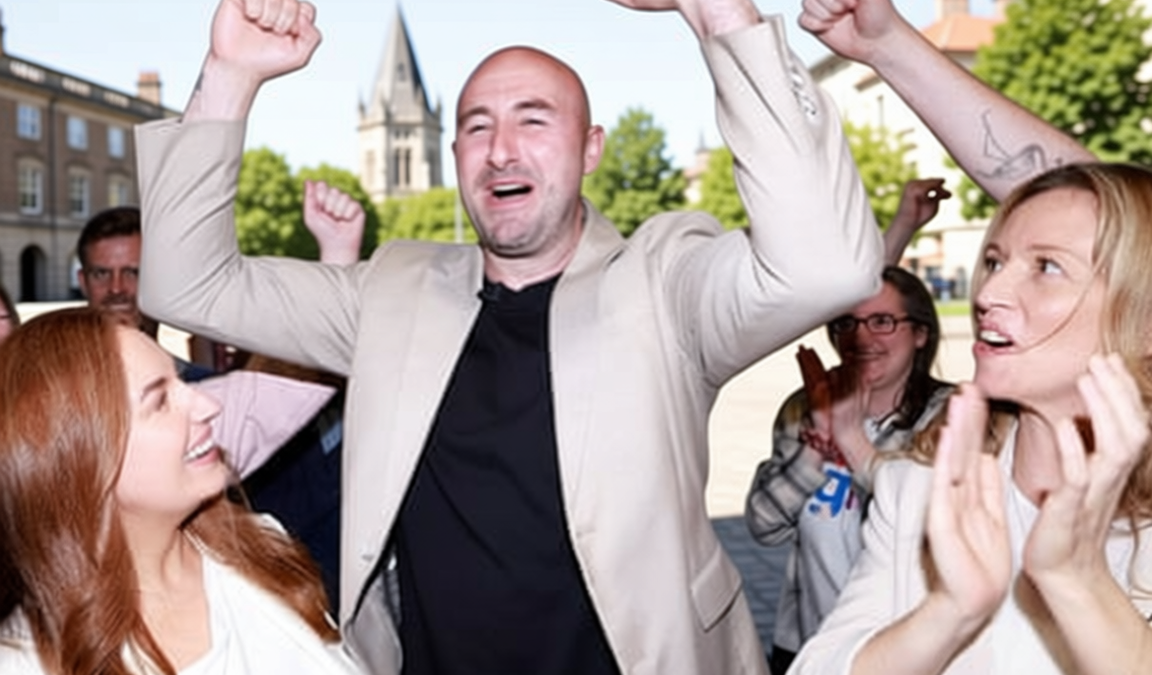
The Dublin Central constituency saw a fierce contest between several candidates, with Ennis’s Social Democrats emerging as the clear winners. Ennis, who garnered 12,050 votes in the final tally, pledged to bring “deep humanity” to the Dáil and emphasized his commitment to representing the community’s diverse interests. Meanwhile, Sinn Féin’s Janice Boylan secured 7,787 votes, and the Green Party’s Janet Horner received 5,452. Hutch’s tally of 2,817 first-preference votes initially placed him in a strong position, but it grew to 4,466 after transferred votes from eliminated candidates were counted. This still left him trailing behind Ennis, who narrowly outpaced the competition.
Hutch, who has long been associated with the underworld, ran on a platform advocating for the internment of “illegal immigrants” in camps. He specifically targeted Somalis, framing them as a primary concern for the local electorate. His campaign, while drawing on his criminal notoriety, struggled to match the broader appeal of the Social Democrats. The election, held on Friday, underscored the shifting priorities of voters, with many favoring candidates who promised pragmatic solutions to everyday challenges.
Political Context and Key Issues
The by-election came amid a backdrop of growing public frustration over economic pressures and housing shortages. With the government’s coalition of centrist parties—Fianna Fáil and Fine Gael—expanding public spending through corporate tax revenues, voters were increasingly vocal about the need for more affordable housing and reduced living costs. These issues dominated the campaign, as candidates grappled with the expectations of a populace weary of austerity measures.
Meanwhile, the Social Democrats’ success in Dublin Central sparked renewed scrutiny of Mary Lou McDonald’s leadership within Sinn Féin, the main opposition party. McDonald, who had previously missed out on a Galway by-election, reassured the public that her party would continue to grow in strength. “I would humbly suggest to you that when a general election comes, when a general election lands, watch and see how we perform,” she stated to reporters, highlighting the optimism and resilience of her party despite recent setbacks.
The by-election also served as a reminder of the political dynamics at play. Paschal Donohoe, the finance minister from Fine Gael, had vacated the seat, leaving a vacancy that the Social Democrats capitalized on. The coalition government, which has managed to maintain stability through economic policies, now faces the challenge of balancing public demand for more immediate relief with long-term fiscal responsibility.
Hutch’s Background and Legal History
Gerry “the monk” Hutch has been a fixture in Ireland’s political and criminal landscape for decades. A court recently named him as the leader of an organized crime group, and he has admitted to multiple criminal convictions, including those related to robbery. His criminal past, however, has not deterred him from entering the political arena. In 2008, Hutch told RTÉ that “some of them I got away with,” acknowledging his role in the criminal underworld while positioning himself as a reformer.
Despite his reputation, Hutch’s political appeal was built on a message of anti-immigration sentiment. He called for stricter measures against “illegal immigrants,” a stance that resonated with some voters but alienated others. His campaign highlighted the tensions between the government’s progressive policies and the growing concerns of certain demographics about the impact of immigration on local resources and social cohesion.
Interestingly, Hutch and another anti-immigration candidate, independent councillor Malachy Steenson, managed to increase their share of first-preference votes compared to the 2024 general election. This suggests that while they did not win, their influence remained significant. However, the Social Democrats’ decisive victory signaled a broader shift in public opinion, favoring candidates who aligned with the party’s progressive agenda.
Controversies and Party Dynamics
The election also brought to light some of the internal challenges within the ruling coalition. Bertie Ahern, the former Fianna Fáil taoiseach, was secretly recorded expressing concerns about Muslim communities and arrivals from Africa. “We can’t be taking in people from the Congo and all these places,” he said, revealing the undercurrents of xenophobic sentiment within the coalition. The current taoiseach, Micheál Martin, quickly distanced the Fine Gael-Fianna Fáil partnership from these remarks, emphasizing unity and the need to address issues of national importance.
These moments of controversy underscore the complexities of navigating political alliances and public perception. While the Social Democrats’ victory in Dublin Central was a clear endorsement of progressive values, it also highlighted the challenges faced by the opposition in gaining traction. McDonald’s comments on the Galway by-election, where her party’s candidate narrowly lost, added to the narrative of resilience and determination within Sinn Féin.
With the by-election results now finalized, the political landscape in Ireland is shifting. The Social Democrats’ success in Dublin Central may influence the upcoming general election, where their performance could shape the balance of power. Meanwhile, Hutch’s campaign, though unsuccessful, remains a symbol of the ongoing debate about the role of organized crime in shaping public discourse and political agendas.
Broader Implications and Future Outlook
The outcome of the Dublin byelection has broader implications for both the ruling coalition and the opposition. The Social Democrats’ victory in a constituency that has traditionally been a battleground for political influence suggests a growing appetite for progressive leadership. However, it also raises questions about the effectiveness of anti-immigration rhetoric in the current political climate, where voters are increasingly focused on practical solutions rather than ideological divides.
As vote counting in Galway continued into Sunday, the results of that by-election remained a focal point. Noel Thomas of Independent Ireland held a narrow lead over Fine Gael’s Seán Kyne, indicating that the political race is far from over. These developments, alongside Hutch’s defeat, highlight the dynamic nature of Ireland’s electoral process and the challenges faced by candidates in a rapidly changing political environment.
In conclusion, the Dublin byelection served as a microcosm of the larger political debates in Ireland. While Hutch’s campaign brought attention to the intersection of crime and politics, it ultimately fell short in capturing the electorate’s trust. The Social Democrats’ victory, meanwhile, offers a glimpse into the future of progressive governance and the potential for more inclusive policies. As the nation moves forward, the balance between economic stability and social concerns will remain a central theme in political discourse.