Australians Face Up to 20% Price Hike for MacBooks and iPads Amid Global Tech Cost Surge
Australians to pay at least 20 more – On Friday, Australian consumers were met with a significant financial shock as Apple announced price increases for its MacBook and iPad lines across the globe. The decision, attributed to a surge in costs driven by artificial intelligence advancements, has already impacted the local market. While the iPhone range remains unaffected, industry analysts suggest that Apple may soon apply similar price adjustments to its flagship products, potentially affecting the broader tech landscape in the coming months.
Device Price Adjustments Across Apple’s Product Line
The MacBook Air, previously priced at $1,799, now begins at $2,099 in Australia, according to Apple’s official website. Similarly, the MacBook Pro 14-inch, which was available for $1,799 earlier this week, has climbed to $3,199. These changes have sparked concern among buyers, as retailers like Officeworks and JB Hi-Fi have yet to reflect the new pricing. For instance, JB Hi-Fi continues to offer the MacBook Air 13-inch at $1,597 and the MacBook Pro 14-inch at $2,797, slightly undercutting Apple’s prices. However, the smaller MacBook Neo, which launched in March at $899, now starts at $1,049, marking a 16.8% increase in cost.
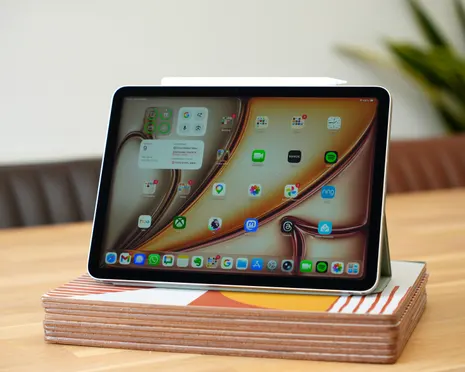
The iPad line has also seen notable adjustments. The standard model, once priced at $599, now begins at $749, while the iPad mini jumps from $799 to $949. The iPad Air, previously available for $999, now starts at $1,249, and the iPad Pro climbs from $1,699 to $1,999. The iMac desktop and Mac Studio have similarly risen, with the former now priced at $2,399 and the latter at $4,299. These changes reflect a broader trend in the tech industry, where rising component costs are pushing manufacturers to revise pricing strategies.
Microsoft’s Response to Rising Component Costs
Apple’s price adjustments are part of a larger wave of cost increases affecting the tech sector. Microsoft, for example, has also raised prices for its Xbox consoles, citing a surge in memory and storage costs. The 512GB models now cost an additional $100 (A$145), while the 1TB versions see a $150 (A$218) increase. The 2TB model is set to be discontinued, signaling a shift in the company’s strategy to align with the new economic reality. In a statement, Microsoft acknowledged that storage and memory prices had nearly tripled, with further increases expected by late 2027.
The company expressed regret over the necessity of the price hikes, stating it had worked closely with suppliers to explore alternatives. “We hoped another price increase would not be necessary, and we have spent the last several months working with suppliers on options,” Microsoft said. This aligns with broader industry challenges, including the “RAMageddon” shortage that has gripped global datacentres. The term, coined by analysts, refers to the scarcity of memory chips driven by rapid advancements in computing power and AI integration.
Analyst Warnings About Permanent Market Shifts
International Data Corporation analyst Soo Kyoum Kim has warned that the current chip shortage is permanently altering the economics of consumer electronics production. “The real question is whether the product economics of affordable devices can be rebuilt around structurally higher memory costs, or whether product mix and [prices] shift permanently upward,” Kim noted in a recent report. This sentiment is echoed by Apple’s own statements, which highlight the severity of the component cost crisis. “We have never seen a component price increase this much, this quickly,” Apple admitted in a recent press release.
According to Apple, the cost of computer parts has reached a critical point, necessitating price adjustments to maintain profitability. The company’s share price experienced a notable decline on Thursday, US time, falling 6.15% and losing $250 billion in market value. This drop underscores the financial strain caused by the ongoing supply chain issues and the broader implications for investor confidence. While Apple has absorbed some of the rising costs, the decision to pass them on to consumers marks a turning point in its pricing strategy.
Retailer Strategies and Consumer Impact
Despite the price hikes, some retailers have opted to retain their original pricing for now. Officeworks, for example, has not yet updated its prices, with a spokesperson stating, “We regularly review our pricing to ensure we continue delivering great value, and we’re currently working through Apple’s recent pricing changes.” This approach may provide temporary relief for budget-conscious buyers, but experts caution that such discounts could be short-lived.
JB Hi-Fi has taken a more aggressive stance, prominently featuring Apple deals on its website. The retailer’s promotions suggest that customers may still find competitive prices for certain models, even as Apple’s official site reflects the higher rates. However, the broader implications of the price surge are difficult to ignore. As demand for computer chips intensifies, driven by the integration of AI into everyday applications, the pressure on device costs is likely to persist. Nick Wells, JB Hi-Fi’s CEO, had previously warned that the cost-crunch would result in a 20% rise for PCs and phones, a forecast that now appears increasingly accurate.
The iPhone 17 Pro and Pro Max models remain at their original prices of $1,999 and $2,199, respectively, on Apple’s website. However, Wells hinted that the iPhone 18 models, set to launch in September, could face similar adjustments. This trend signals a potential shift in the market, where even premium devices are no longer immune to price pressures. For consumers, the combined effect of these changes could lead to a noticeable increase in the cost of technology, particularly for those reliant on Apple’s laptops and tablets.
As the tech industry grapples with these challenges, the long-term impact on consumer behavior remains uncertain. While some buyers may opt for alternative brands or delay purchases, others could continue to support Apple, especially as the company positions itself as a leader in innovation. The price hikes, however, underscore the interconnectedness of global supply chains and the growing influence of AI on the cost of everyday technology. With both Apple and Microsoft navigating these changes, the future of consumer electronics pricing is set to be more volatile than ever before.