France Confirms First Ebola Case in Doctor Linked to DRC Outbreak
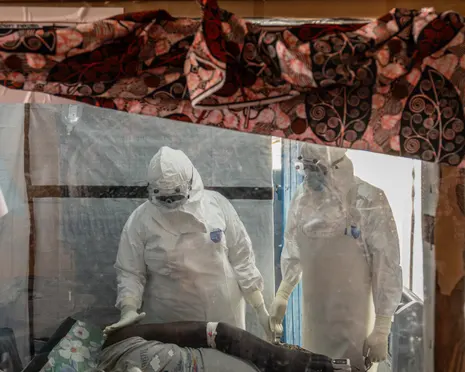
France confirms first Ebola case in doctor – France has confirmed its first case of Ebola, involving a physician who had recently returned from a humanitarian mission in a region affected by the ongoing outbreak in the Democratic Republic of the Congo (DRC). The patient, currently in stable condition, was moved to a specialized medical facility as part of the country’s containment efforts. The health ministry stated that all necessary precautions were taken immediately upon the doctor’s arrival, including secure isolation procedures to prevent potential transmission.
Outbreak Dynamics in the DRC
The Ebola outbreak in the DRC has primarily focused on Ituri province, located in the northeastern part of the country. Health officials there are working intensively to curb the virus’s spread, but the situation remains challenging. As of June 21, the DRC health ministry reported 1,048 confirmed cases and 267 deaths, with 112 individuals recovering from the disease. This figure highlights the severity of the epidemic, though experts suggest the actual number of infections may be higher due to underreporting and delayed detection.
Neighboring Uganda has also been affected, recording 20 cases and two fatalities. The World Health Organization (WHO) declared the outbreak on May 15, raising the alert level to a public health emergency of international concern just two days later. Despite these measures, the virus had likely been circulating in the DRC for weeks without detection, according to scientists who believe the outbreak’s scale may be much larger than officially documented.
Humanitarian Challenges and Community Response
The response to the outbreak has been complicated by a combination of financial constraints and regional conflicts. In North and South Kivu provinces, located south of Ituri, aid efforts have been hindered by ongoing hostilities involving the Rwanda-backed M23 rebel group. This has led to disruptions in medical operations and made it difficult to reach affected communities. However, the WHO noted a shift in local attitudes, with more people now recognizing the risk of Ebola and actively seeking ways to protect themselves.
“More and more communities are aware of the risk of Ebola and are asking for tools to support and protect themselves,” said WHO official Abdirahman Mahamud, emphasizing that the outbreak has seen the highest number of confirmed cases within the first month of any Ebola epidemic. Mahamud added that resistance to containment measures, which previously included attacks on hospitals and treatment centers, is gradually diminishing.
Officials in the DRC have also faced logistical hurdles, including a lack of resources and infrastructure. The current strain of the virus, the Bundibugyo variant, adds to the complexity, as it has no approved vaccine or treatment. This means that prevention and early detection are critical to slowing its spread. The US Centers for Disease Control and Prevention (CDC) has modeled the outbreak, suggesting it could be the most significant in history, surpassing the 2014-2016 West Africa epidemic that claimed over 11,000 lives.
Global Implications and Containment Measures
While the immediate risk to the European public appears low, France’s confirmation of an Ebola case has prompted heightened vigilance. Health authorities are now tracking the patient’s contacts, requiring them to isolate for 21 days as a precaution. The incident underscores the importance of international cooperation in managing infectious diseases that can cross borders.
Separately, the US government has been considering the construction of an Ebola quarantine facility in Kenya, which has yet to report any cases. However, this plan was recently halted after the country’s health minister announced that a high court order would stop the project, which had initially been ignored. The facility was intended to provide a rapid response for American citizens, but the decision reflects growing awareness of the need for community engagement in outbreak management.
Historical Context of Ebola in the DRC
This marks the 17th recorded Ebola outbreak in the DRC, a country where the virus was first identified in 1976. Scientists have long studied the origins of the disease, believing it spreads from infected African fruit bats to humans, and then between people through direct contact with bodily fluids or blood. Initial symptoms typically include fever, fatigue, muscle aches, and