UK Inflation Data Offers Calmer Outlook Amid Iran Conflict
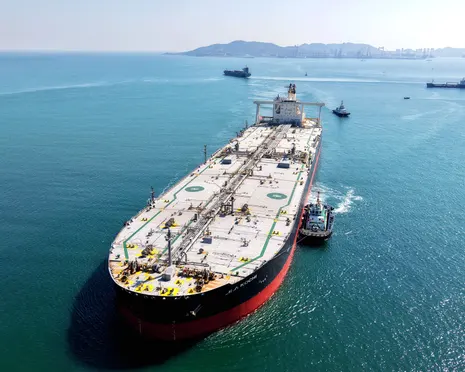
Wanderstayfinder.com – The UK’s inflation rate surprised markets in May, showing less severe effects from the Iran war than initially anticipated. Analysts had feared a sharp spike in living costs following Iran’s disruption of oil flows through the Strait of Hormuz in early March. Yet the latest figures, released on Wednesday, revealed inflation remained steady at 2.8%—unchanged from the previous month and below the 3% rise many had predicted. This unexpected resilience has sparked renewed optimism that the economic fallout from the Middle East conflict might not be as damaging as first feared.
Despite the ongoing crisis, the Bank of England’s Monetary Policy Committee (MPC) has seen inflationary pressures temper more than expected. Fuel prices, which had surged to historic levels in May, rose by a staggering 25% year-on-year. However, this increase did not translate into broader inflation, as other sectors showed signs of easing. For instance, food prices dropped by 0.1% month-on-month, contradicting fears of widespread cost-of-living inflation. The Office for National Statistics (ONS) noted that these figures suggest a more contained economic impact from the conflict.
Comparisons with other regions highlight the UK’s unique position. In the European Union, inflation had also been higher than anticipated, though some countries, like Germany, introduced fuel tax cuts to mitigate price spikes. Meanwhile, the US experienced a sharper increase, reaching a three-year high of 4.2% in May. President Trump brushed off the data, declaring, “I love the inflation.” Yet for the UK, the situation appears more nuanced. While the country still faces inflation above its 2% target, the absence of a broader price surge signals a shift in economic dynamics.
“The downside surprise was due to lower food and goods prices than we expected, suggesting that firms lack the pricing power necessary to pass on the increase in their energy costs.”
Andrew Wishart of Berenberg Bank emphasized this point in response to the May data. He argued that businesses, despite higher energy costs, are hesitant to raise prices significantly, fearing a drop in consumer spending. This contrasts with 2022, when Russia’s invasion of Ukraine triggered a sharp inflation spike of 11.1% by November, fueled by strong demand for energy and goods. The current scenario, however, shows a more cautious market response.
Since the start of the Iran conflict, economic indicators have consistently defied forecasts. In April, inflation fell more than expected, and this trend continued in May. The MPC had already been widely expected to leave interest rates unchanged at 3.75% following its meeting on Thursday. While above-target inflation persists, analysts now lean toward the possibility of rate cuts rather than hikes, with markets increasingly betting on a potential easing in late 2026.
The recent announcement of a US-Iran peace deal has further softened concerns. Oil prices have dropped below $80 a barrel, reversing the Bank of England’s worst-case scenario. Andrew Bailey, the Bank’s governor, remarked that the current environment suggests firms are not fully leveraging their pricing power to offset rising costs. This could signal a more stable inflation path, with the MPC shifting focus toward other economic indicators, such as the jobs market.
While the immediate impact of the conflict has not been as severe as feared, challenges remain. The higher cost of fertilizers, a key commodity reliant on Gulf exports, is expected to have a prolonged effect. These costs could weigh on inflation in the coming months, particularly as agricultural prices rise. However, the data so far suggests that the UK economy is adapting more effectively than anticipated, cushioning the blow from global supply shocks.
Analysts remain cautious, noting that the current trend does not guarantee sustained stability. “The situation is still evolving, and the MPC will need to monitor emerging risks closely,” said one economist. The reopening of the Strait of Hormuz has provided temporary relief, but the long-term effects of the conflict—such as geopolitical uncertainty and potential trade disruptions—could still influence inflation. For now, though, the latest data offers a more optimistic outlook, with the possibility of rate cuts becoming increasingly plausible as the economic narrative shifts.
Consumer confidence has also been a factor in the muted inflation response. With households facing higher fuel costs, spending habits have adjusted to avoid further strain. This adaptability has prevented a wider price spiral, even as energy costs remain elevated. The Bank of England’s analysis indicates that demand-side pressures are easing, allowing firms to absorb some of the increased expenses without passing them on to consumers.
As the MPC weighs its next steps, the focus is shifting from inflation to growth. While the UK’s inflation rate remains above target, the data suggests that the central bank may prioritize stabilizing employment and consumer spending over aggressive rate hikes. This could mark a turning point in the Bank’s strategy, with a potential pivot toward easing monetary policy later in the year. For now, the market is breathing easier, and the UK’s inflation trajectory appears to be stabilizing, despite ongoing global tensions.
Key factors influencing the data include the interplay between energy costs and consumer demand. Unlike 2022, when high energy prices coincided with strong consumer spending, the current environment shows a more balanced effect. This is partly due to the UK’s shift toward renewable energy sources and the implementation of cost-saving measures by households. The ONS data also highlights a possible slowdown in price increases for non-energy goods, suggesting that the economy is becoming more resilient to external shocks.
Looking ahead, the next few months will be critical in determining the long-term impact of the Iran war. While the immediate effects have been less severe than anticipated, the role of fertilizers and other essential goods remains a concern. The Bank of England’s decision to maintain rates at 3.75% underscores its confidence in the economy’s ability to absorb these pressures. However, if the cost of living continues to rise, the MPC may need to reconsider its stance.
Overall, the latest inflation figures provide a mixed but encouraging picture. The UK’s economy has shown signs of resilience, with the real-world impact of the Middle East conflict proving less disruptive than feared. This development has not only influenced inflation expectations but also altered the trajectory of monetary policy. As the nation awaits further data, the balance between price stability and economic growth appears to be shifting in favor of the latter, offering a glimmer of hope for a more moderate inflation outlook.