UK ministers lobby Trump to avert backlash against social media ban
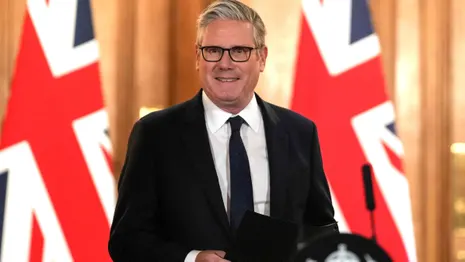
Wanderstayfinder.com – UK government officials have intensified their efforts to persuade U.S. leaders, including President Donald Trump, to avoid a potential conflict over the new social media restrictions targeting children under the age of 16. The policy, introduced by Prime Minister Keir Starmer, has sparked concern about its implications for international relations, particularly with the United States, where Trump has previously expressed hostility toward similar measures. The ban, which limits access to platforms like X, Facebook, YouTube, Snapchat, and TikTok for minors, marks the UK as the second country globally to impose sweeping controls on digital platforms for children, following Australia’s earlier implementation of similar rules.
The strategy involves a multi-layered approach to address concerns that the ban might be perceived as a direct attack on American technology companies. Officials have reportedly spent several weeks engaging with senior Trump administration members and the president himself, emphasizing that the restrictions are not specifically aimed at U.S. firms but at safeguarding the well-being of British children. This effort comes as Starmer prepares to meet with Trump at the G7 summit in Evian, France, where discussions on the policy are expected to take place. The prime minister has already spoken to the U.S. leader on Saturday and will meet again later that day, signaling a proactive stance to prevent diplomatic friction.
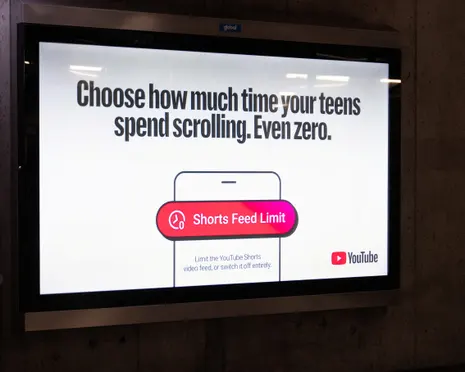
Key to the lobbying campaign is the assertion that the policy is rooted in protecting children from the negative effects of social media. A spokesperson for the government highlighted that the restrictions include measures such as preventing under-16s from live-streaming themselves, banning adults from making unsolicited contact with children on gaming sites, and limiting engagement with “romantic” chatbots by those under 18. Certain services, including YouTube Kids, Lego Play, and Google Classroom, have been exempted from these rules. The plan also outlines further restrictions, such as late-night social media curfews for 16- and 17-year-olds, which are set to be announced next month.
Additional focus has been placed on virtual private networks (VPNs), which users might employ to bypass geographical internet controls. Officials suggested that future regulations could require companies like Mullvad VPN to verify users’ ages through identification, a move that could expand the scope of the ban. Daniel Berntsson, CEO of Mullvad VPN, commented on the potential changes, stating that the government is likely to push for stricter age verification processes. This step aims to ensure that even those attempting to circumvent the restrictions are held accountable for their online activity.
The policy has garnered mixed reactions from various stakeholders. While it has been praised by the Conservatives, who had long advocated for such a ban, and Labour backbenchers, it has faced skepticism from some experts. An independent panel convened by the government noted that the impact of social media on teenagers is complex, with both positive and negative aspects. Despite this, Starmer remains steadfast in his defense, citing evidence collected during a 12-week public consultation as the basis for his decision. He emphasized that the ban is a necessary measure to address the mental health challenges and cyberbullying risks faced by young people.
Starmer’s commitment to the policy has been underscored by his recent remarks to the media. “Social media is making children unhappy, it’s making it easier for bullies to harass and abuse them, and it could even be harming their mental health,” he stated. The prime minister, who initially opposed the idea, said he was convinced by the data that emerged during the consultation period. He also denied that the announcement was a rushed attempt to secure his legacy in case he is ousted as prime minister in the coming weeks. Andy Burnham, the mayor of Greater Manchester, is set to challenge Starmer in the Makerfield byelection this week, but he has expressed support for the ban, viewing it as a reflection of the UK’s values and a unifying policy for the nation.
Meanwhile, the backlash from Trump’s allies has been evident. Elon Musk, owner of X (formerly Twitter), criticized the UK’s move on Monday, calling it a “wolf in sheep’s clothing” and suggesting that the true goal is to enable government surveillance. Despite Musk’s comments, the UK’s officials remain optimistic about the policy’s reception, citing the widespread support from parents and educators who believe the measures are essential for child safety. However, the tech industry has warned that the restrictions could drive teenagers toward less regulated, potentially more harmful online spaces. Meta, which owns Facebook and Instagram, has not yet announced legal challenges, though it has expressed concerns about the policy’s broader implications.
The ban’s significance extends beyond regulatory changes, as it represents a shift in the UK’s approach to digital governance. With nine out of ten teenagers aged 13 to 15 having social media accounts and relying heavily on platforms like YouTube and TikTok for news, the policy is expected to reshape online behavior for millions. Starmer has framed the decision as a bold statement of the UK’s priorities, positioning it as a step toward aligning with global efforts to protect young users. “This is a huge statement of our values, who we are as a country,” he said, highlighting the importance of the measure in fostering a cohesive national stance on digital safety.
As the policy takes effect, its long-term impact remains a topic of debate. While supporters argue that it reduces exposure to harmful content and promotes healthier online habits, critics contend that it may oversimplify the role of social media in modern life. The government’s role in this discourse is clear: to balance the need for protection with the freedom of digital access. With the G7 summit serving as a critical platform for addressing these concerns, the outcome of the discussions could shape the UK’s relationship with the United States in the digital age.
Key Points of the Social Media Ban
The UK’s social media ban introduces a series of targeted measures designed to shield children from the risks associated with online platforms. These include age limits on content access, restrictions on live-streaming by minors, and bans on unsolicited adult-child interactions on gaming sites. The policy also extends to “romantic” chatbots, aiming to prevent early exposure to potentially inappropriate relationships. While the ban applies broadly, exceptions have been made for services like YouTube Kids and Google Classroom, which are considered safer for younger users.
“This is about protecting children in Britain, not taking on US tech.”
The policy’s global context is significant, as it follows Australia’s lead in implementing similar restrictions. Both countries have emphasized the importance of curbing the influence of social media on young people, with the UK’s approach being more comprehensive. For instance, the UK’s plan includes curfews for 16- and 17-year-olds, a provision not yet adopted in Australia. This broader framework has raised concerns among U.S. officials, who fear it could set a precedent for more stringent regulations on tech companies operating abroad.
Trump’s potential reaction to the policy remains a wildcard in the diplomatic landscape. The U.S. president has previously threatened the UK with “a big tariff” if the government did not abandon its digital services tax. This history suggests that any perceived conflict over the social media ban could escalate into broader trade disputes. However, the UK’s ministers are determined to present the policy as a necessary, non-ideological measure, one that aligns with the shared goal of safeguarding children’s well-being.
Public opinion in the UK appears to be divided, with some parents and educators applauding the ban as a proactive step, while others worry about its consequences. Esther Ghey, the mother of Brianna Ghey, a teenager killed in a road accident, welcomed the policy, stating it could “save so many children’s lives.” Her endorsement reflects the emotional appeal of the measure, which is framed as a response to real-world dangers exacerbated by online exposure. In contrast, the independent expert panel’s findings highlight the nuanced impact of social media, suggesting that while it poses risks, it also offers benefits such as connectivity and access to educational resources.
As the UK moves forward with its digital reforms, the focus will remain on ensuring the policy achieves its intended goals without alienating key international partners. The G7 summit provides an opportunity to address these concerns directly, with Starmer’s meetings with Trump and other world leaders set to determine the trajectory of the UK’s digital strategy. The outcome of these discussions will not only shape the future of social media regulation but also serve as a test of diplomatic resilience in an increasingly connected world.