Defence Secretary Faces Scrutiny Over Russian Oil Tanker Seizure Timing
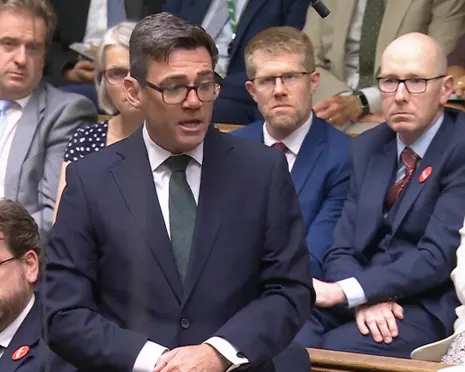
Wanderstayfinder.com – In a parliamentary session on June 15, 2026, Dan Jarvis, the newly appointed defence secretary, addressed questions from members of parliament regarding the weekend capture of a Russian oil tanker. The event, which took place 25 miles south of the Isle of Wight, drew particular attention due to its timing—three days after the resignation of John Healey, the former defence secretary. MPs, including Conservative members, pressed Jarvis on whether the operation was influenced by political pressures following Healey’s dramatic exit. Jarvis responded by emphasizing that the tanker had been “closely tracked” for several days prior, aiming to deflect accusations of timing being politically motivated.
Operation Details and Strategic Context
The Russian vessel, named Smyrtos, was en route from Russia to India when it was intercepted by Royal Marines in the early hours of Sunday. Jarvis explained that the surveillance had been ongoing “in the days” leading up to the capture, citing concerns over the ship’s potential use of a “false flag” tactic linked to Cameroon. According to the National Crime Agency, the vessel was seized in “a matter of minutes,” with its Indian captain, Ajay Pant, 38, charged with sanctions violations. Twenty-four crew members, hailing from Georgia and India, remain on board as the case progresses toward a court appearance in Southampton on Tuesday.
Questions about the operation’s timing emerged as a key focus of the debate. The seizure occurred shortly after Healey resigned in an acrimonious dispute over the government’s commitment to defence spending. His resignation letter, published on Thursday, criticized the Treasury for failing to meet the nation’s needs, stating that it had only pledged £13.5bn to cover an £18bn shortfall in the Defence Investment Plan (DIP) by 2030. This shortfall was highlighted as a point of contention between the prime minister and the Labour Party, with Starmer’s administration opting to raise defence spending to 2.68% of GDP by 2030, falling short of NATO’s recommended 3.5% target by 2035.
Jarvis, who was accompanied by Chancellor Rachel Reeves in the Commons, underscored the collaborative effort between the Treasury and the defence department. “The chancellor is someone who cares deeply about our national security,” he remarked, noting her presence as a sign of mutual support. However, he provided no new details on the status of the DIP, reaffirming that the plan would be published before the upcoming NATO summit in Ankara in early July. This delayed update sparked further questions about the government’s readiness to address the funding crisis.
Political Tensions and Strategic Decisions
Shadow defence secretary James Cartlidge seized the opportunity to question Jarvis on the timing of the seizure. He noted that the operation occurred just days after Starmer had warned in March that tankers transporting Russian oil under sanctions could be at risk of capture. Cartlidge pointed out that “almost three months after the policy was announced, no boarding of these vessels had taken place,” raising doubts about the urgency of the decision. “What changed on the specific action that took place?” he asked, challenging Jarvis to explain the sudden move.
Jarvis defended the operation as a “result of weeks of military and operational planning,” but he avoided confirming whether the UK would attempt to sell the 100,000 tonnes of crude oil on board to support Ukraine’s war efforts. The decision to intercept the Smyrtos has been framed as a strategic move to enforce sanctions against Russia, with critics suggesting it could also serve as a symbolic gesture to bolster domestic support for the DIP. The operation has been viewed by some as a calculated effort to align with NATO objectives, particularly in light of the summit’s proximity.
Healey’s resignation, which occurred on Thursday, had already sent ripples through Westminster. His dramatic exit followed a heated disagreement with the prime minister over the allocation of resources for defence. The former secretary accused the Treasury of being “unwilling” to provide the necessary funding, which he argued was crucial for national security. “You have been unable, and the Treasury has been unwilling, to commit the resources that the nation needs to defend the country,” he stated in his resignation letter, a statement that surprised many in the political arena.
Reeves, who sat beside Jarvis during his statement, was highlighted as a key ally in the current administration. Her presence was interpreted by some as a signal of the Treasury’s renewed focus on defence matters. Yet, the absence of a detailed update on the DIP left room for speculation. Critics, including Cartlidge, argued that the seizure could be a way to shift attention away from the government’s spending plans, particularly as the NATO summit looms. The timing of the operation, they suggested, might be a tactic to showcase progress in enforcing sanctions while the DIP remains under review.
Geopolitical Implications and Future Steps
The Smyrtos incident has broader implications beyond the immediate action. By capturing the vessel, the UK aims to demonstrate its commitment to sanctioning Russian oil exports, a move that could pressure other nations into similar actions. However, the decision has also raised questions about the coordination between different government departments. The fact that the operation occurred three days after Healey’s resignation has led to speculation about whether it was a direct response to the funding dispute, or if it was part of a larger strategy to strengthen the government’s position on defence matters.
As the case moves forward, the role of the National Crime Agency in overseeing the legal proceedings will be crucial. The captain’s charges, along with those of the crew, could set a precedent for future intercepts of sanctioned vessels. Meanwhile, the public and media will closely watch the outcome of the court case, which could influence perceptions of the government’s effectiveness in addressing both domestic and international security challenges. The summit in Ankara, set for early July, is expected to serve as a platform for the UK to showcase its enforcement actions, potentially easing pressure on the DIP’s timeline.
Jarvis’s responses, while firm, have not fully addressed the underlying concerns about the DIP’s funding. The £18bn gap, which has been a point of contention for months, remains unresolved, with the government facing scrutiny over its ability to meet the targets set by NATO. The seizure of the Smyrtos, though a clear demonstration of operational capability, may not be enough to quell the growing political tensions. As the defence secretary navigates the complexities of the situation, the focus will remain on balancing immediate action with long-term strategic goals, ensuring that the UK’s commitments to both national security and international alliances are upheld.