Starmer Vows New Sanctions on Russia and Nuclear Energy Support for Ukraine
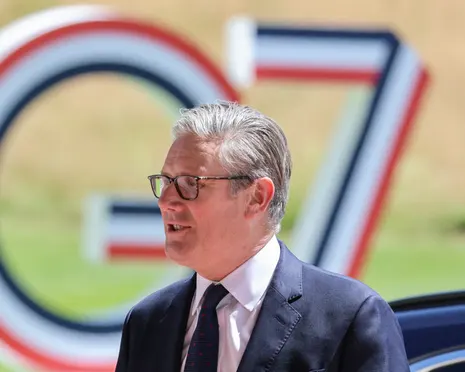
Wanderstayfinder.com – At the recent G7 summit in Évian-les-Bains, France, British Prime Minister Keir Starmer pledged to intensify economic pressure on Russia by introducing additional sanctions aimed at cutting off its revenue streams. The summit, which commenced on Monday, brought together leaders from the United States, Canada, Germany, France, Italy, Japan, and the United Kingdom, with the European Union also participating as a key observer. Starmer’s agenda included reinforcing support for Ukraine, particularly through financial aid and energy assistance, as the country continues to face significant challenges from Russian military operations.
Strategic Moves Amid Domestic Challenges
Starmer’s participation in the G7 summit followed a challenging political week in the UK, during which he sought to reposition himself as a leader with global influence. The summit, held in the French spa town of Évian-les-Bains, provided a platform for addressing international crises, including the ongoing conflict in Ukraine and the broader geopolitical tensions shaping global energy markets. The prime minister’s decisions at the meeting were framed as a way to demonstrate steadfast commitment to the war effort, even as domestic political dynamics shifted.
One of the key announcements during the summit was the UK’s plan to provide hundreds of millions of pounds in energy support for Ukraine. This initiative, which was finalized during a meeting at Downing Street, aims to bolster Ukraine’s ability to sustain its energy needs despite repeated Russian attacks on its power infrastructure. Starmer emphasized that the funding would ensure Ukraine’s resilience during the winter months, a critical period for maintaining stability in the region.
“We will stand with Ukraine for as long as it takes and this announcement reinforces that,” Starmer stated. “Putin should roll back his tanks, end his barbaric strikes and come to the negotiating table.”
The energy package includes a specific focus on Ukraine’s nuclear power sector, with £210 million allocated to its nuclear plants over the next two years. This funding is part of a broader strategy to support Ukraine’s infrastructure and ensure its continued access to reliable energy sources. Officials confirmed that the UK Export Finance would play a central role in this effort, financing the purchase of enriched uranium from Urenco, a multinational company in which the UK government holds a 33% stake.
Covert Actions and Financial Networks Targeted
Alongside the energy aid, Starmer announced a new round of sanctions targeting Russian financial networks. These measures are designed to disrupt Moscow’s ability to fund its military operations and expand the scope of the sanctions to include over 600 vessels in its shadow fleet. The shadow fleet, which transports oil and liquefied natural gas (LNG) to Ukraine, has been a focal point of Western efforts to isolate Russia economically.
The sanctions also target a Russian state-linked network responsible for covertly acquiring Western technology for the military. This network, which operates in the background of the conflict, is believed to facilitate the procurement of advanced systems and equipment. Additionally, the measures aim to penalize suppliers that enable Russia to move money illicitly across international borders, further tightening the economic grip on the nation.
These new sanctions come days after British troops seized a Russian oil tanker in the English Channel, an event that underscored the UK’s resolve to disrupt Russian supply chains. Starmer’s actions are part of a coordinated effort with G7 allies to apply pressure on Moscow, though the effectiveness of these measures remains a topic of debate among analysts.
US Support and Diplomatic Tensions
During the summit, Starmer also sought to reassure US President Donald Trump of the UK’s commitment to increasing defense spending. This pledge follows the recent resignation of John Healey, the UK’s defense secretary, and delays in implementing the country’s defense investment plan. Starmer is expected to meet with Zelenskyy on Tuesday, but no bilateral session with Trump is planned, despite the US leader’s presence at the gathering.
The G7 group will focus on maintaining the momentum of Western support for Ukraine, while also addressing the emerging peace deal between the US and Iran. This deal, which could influence regional dynamics, is being closely watched by G7 members as they consider its implications for the Middle East and global energy security. The summit will also discuss the reopening of the Strait of Hormuz, a critical chokepoint for oil shipments, and its potential impact on international trade.
Starmer’s efforts to align with Trump on defense matters were complicated by the US White House’s push to prevent the UK from enforcing a social media ban on users under 16, announced earlier in the week. While Trump will engage in a working session with Zelenskyy on Tuesday, he is scheduled to hold bilateral meetings with other leaders, including French President Emmanuel Macron, Egyptian President Abdel Fattah El-Sisi, Indian Prime Minister Narendra Modi, and Qatari officials. These interactions highlight the shifting alliances and priorities among G7 members.
Protests and Domestic Concerns
The summit in Évian-les-Bains was not without controversy. On Sunday, thousands of anti-G7 protesters gathered in Geneva, clashing with police and drawing attention to the group’s role in global conflicts. The demonstrations, which included environmentalists and feminists, focused on issues such as climate change and the gendered impact of the war in Ukraine. Protesters set a car on fire and smashed the windows of a bank, reflecting the growing frustration with international policies perceived as favoring military interventions over social and environmental priorities.
These protests occurred against the backdrop of the UK’s decision to impose a social media ban for under-16s, which was criticized by the Trump administration. While the move was supported by some as a way to protect children from online misinformation, others argued it risked alienating key allies. Starmer’s participation in the G7 meeting was thus seen as an opportunity to balance domestic concerns with international obligations, ensuring the UK remains a central player in global efforts to support Ukraine.
As the summit progresses, the focus on economic sanctions and energy aid will likely shape the UK’s role in the broader conflict. The £210 million allocated to Ukraine’s nuclear plants is not only a financial commitment but also a symbolic gesture of solidarity. Officials highlighted that the deal would create jobs and boost exports, with a third of the uranium content sourced from Urenco’s plant in Chester. This underscores the UK’s dual goal of supporting Ukraine’s energy independence while advancing its own economic interests.
With the NATO summit in Ankara approaching on 7 July, the G7’s decisions will have lasting implications for the international response to the war in Ukraine. Starmer’s actions at the summit aim to solidify the UK’s position as a key contributor to the effort, even as the nation navigates internal debates over the cost and direction of its foreign policy. The summit’s outcomes will serve as a foundation for future cooperation, particularly in addressing the ongoing challenges posed by Russian aggression and the need for sustained support for Ukraine’s recovery.