Starmer Hopes Social Media Ban for Under-16s to Take Effect Next Spring
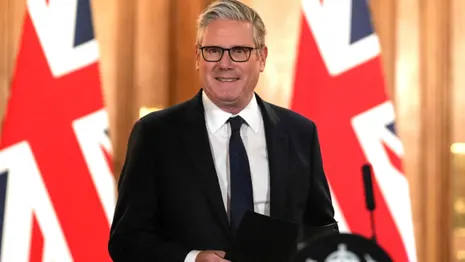
Wanderstayfinder.com – Keir Starmer expressed optimism that the UK government will soon introduce a social media ban for users under the age of 16. During a live political update, he reiterated the urgency of the policy, highlighting its potential to shield young users from online dangers. “We’ve taken steps to ensure this measure is implemented quickly,” he stated, emphasizing the need for action to address the growing risks associated with social platforms. The proposal aims to come into force by spring, aligning with the government’s goal of safeguarding children’s well-being in the digital age.
Accelerating Legislative Action
Starmer outlined the plan’s timeline, asserting that ministers have the authority to push the ban through secondary legislation. “We secured the necessary powers earlier this year to avoid delays,” he explained, contrasting it with the prolonged process of the Online Safety Act, which took eight years to finalize. The new policy would target platforms like TikTok, Instagram, Snapchat, and Twitter (X), offering a more focused approach to protecting children from harmful content. Starmer stressed that the goal is to implement the measure promptly, ensuring it becomes a reality before the end of the year.
While the ban is seen as a bold step, some platforms have voiced concerns. YouTube, for example, warned that restricting access for under-16s could lead to teens shifting to less-regulated services. A spokesperson noted: “We’ve invested in age-appropriate protections for over a decade. These measures will continue to evolve.” Despite this, Starmer argued that the policy is essential for creating a safer online environment for children, even if it requires adjustments to ensure its effectiveness.
Personal Stories Behind the Policy
Starmer’s commitment to the ban was underscored by a personal anecdote. During an interview on ITV’s *This Morning*, he acknowledged the emotional weight of the issue, referencing Ian Russell, a father whose daughter Molly died at 14 after encountering online dangers. “Molly’s story is a powerful reminder of the stakes involved,” Starmer said, emphasizing that the policy is driven by real-life tragedies. He also mentioned his own family, noting that his 15-year-old daughter would be affected by the change. “Her views were mixed, but we believe the benefits outweigh the challenges,” he added, showing the personal investment behind the policy.
The Molly Rose Foundation, established in Molly’s memory, has been vocal in its critique of the ban. The foundation’s chief executive, Andy Burrows, argued that the measure is “unenforceable” without stronger regulatory frameworks. “Parents may feel reassured, but high-risk platforms still have incentives to ignore safety protocols,” he said. Starmer defended the policy, stating that it was a necessary first step toward broader reforms. “Change takes time, but we’re moving swiftly to prioritize children’s safety,” he insisted.
Political Implications and Public Debate
The social media ban has sparked a broader political conversation, with some viewing it as a key reform and others as a potential hurdle. Starmer addressed the policy’s impact on political engagement, noting that it would not restrict access for adults but focus on younger users. “We’re not banning social media entirely—just setting age limits to protect those most vulnerable,” he clarified. This distinction aims to reassure critics that the policy is both targeted and practical.
Public opinion remains divided, with supporters praising the initiative as a much-needed safeguard and opponents warning of unintended consequences. Starmer acknowledged these concerns, stating that the government would work closely with experts to refine the approach. “We want to ensure this policy works for families, not against them,” he said. The debate underscores the complex balance between fostering digital connectivity and mitigating its risks for children. As the implementation date nears, the policy’s success will depend on how well it addresses these challenges.