Palestinian-American Woman Detained by Israeli Forces Without Charges
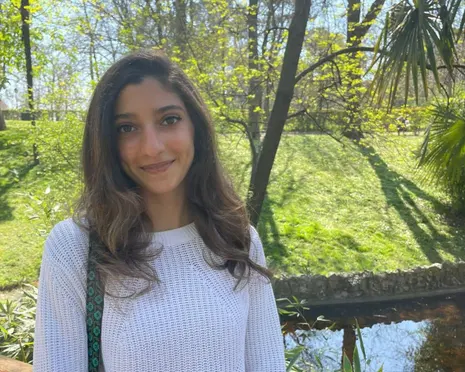
Wanderstayfinder.com – A 20-year-old Palestinian American woman, Sama Safi, has been held in Israeli military custody for nearly two weeks following a pre-dawn raid on her family’s home in the occupied West Bank. The operation, conducted by Israeli soldiers on 2 June, led to her arrest along with three other women. Safi, a psychology student at Birzeit University, has yet to be formally charged with any offenses. The Israeli military’s spokesperson stated that the detainees were apprehended “for promoting hostile terrorist activity and related offenses.”
Medical Concerns and Family Appeal
Safi’s family has raised alarms about her health, citing a chronic autoinflammatory condition that necessitates regular treatment. Relatives said she had been bedridden for months before recently beginning to recover with daily medication and care received abroad. While in detention, Safi is said to have received some medical attention, but her family claims it is insufficient to address her specific needs. “She is struggling with pain and debilitating fevers,” a relative explained. “Without proper care, her condition could worsen.”
“I don’t know how this information was extorted from them, probably by force,” said Lea Tsemel, Safi’s attorney. “It’s nonsense.”
Tsemel, an Israeli human rights lawyer, argued that Safi denies involvement in the activist student organization Qutub, which the Israeli military alleges is linked to the Popular Front for the Liberation of Palestine (PFLP). She emphasized that the group itself is not illegal, yet the military has used it as a basis for detaining her and others. The attorney also highlighted the broader context of how Palestinians are treated under so-called “administrative detention,” a practice that allows indefinite imprisonment without charges. “The treatment of detainees has grown harsher since 7 October 2023,” Tsemel noted, underscoring the systemic nature of the issue.
Detention Center and Student Allies
The four students, including Safi, are being held at an Israeli detention facility in Jerusalem, known for its history of mistreatment. Among the detainees is a member of the Palestinian women’s national soccer team, a detail that has drawn attention from international observers. Another player from the same team was detained earlier this week but was subsequently released. These cases illustrate the intersection of political and sporting identities in the ongoing conflict.
Two other Birzeit University students, detained alongside Safi, reportedly provided the Israeli military with lists of alleged Qutub members. However, Safi insists she was not part of the group. “The names were given under pressure,” her attorney claimed, suggesting the information might have been coerced. This has sparked debate about the reliability of detainees’ confessions and the fairness of the military’s process.
“When Americans are detained abroad, the Department advocates for their access to adequate medical care and seeks consular access as quickly as possible,” said a US State Department spokesperson, who declined to comment directly on Safi’s case.
A representative of the US embassy in Jerusalem visited Safi in detention last week, reporting that she appeared “in good spirits.” However, she described the food as “prison food,” a phrase that has been used to criticize the quality of meals in Israeli detention centers. The embassy’s visit highlights the diplomatic efforts to ensure the well-being of American citizens held in the occupied territories.
Advocacy and Political Context
Safi’s cousin, Selma Farsakh Ulm, has been actively lobbying for her release through the US campus Palestine solidarity movement. Ulm’s efforts have garnered support from several US lawmakers, including Senators Peter Welch, Jeff Merkley, and Chris Van Hollen, as well as Representative Ayanna Pressley. These officials had previously backed the release of Mohammed Ibrahim, a 15-year-old Palestinian American boy detained in 2023 for allegedly throwing rocks. Ibrahim was freed in November after a nine-month detention and a campaign by US legislators.
Despite Safi’s US citizenship, her family argues her case mirrors that of thousands of Palestinians held without charges. “What Sama is experiencing is also being experienced by many, many other people,” Ulm stated. “Her situation is part of a larger pattern.” This sentiment aligns with reports from journalists and human rights groups documenting sexual abuse, beatings, and other mistreatment of detainees in Israeli custody.
International Response and Ongoing Struggles
The Israeli Ministry of Foreign Affairs has not yet responded to requests for comment on Safi’s case. Meanwhile, the US State Department’s spokesperson noted privacy concerns as the reason for not issuing a detailed statement. However, they reaffirmed the administration’s commitment to assisting Americans abroad. “We are monitoring the situation closely,” the official said, emphasizing the department’s role in advocating for detainees’ rights.
Safi’s detention has also sparked discussions about the legal and humanitarian implications of Israel’s detention policies. Critics argue that the military’s use of “hostile terrorist activity” as a broad pretext for arrests undermines due process. Her attorney, Tsemel, has called for transparency in how the Israeli military obtains evidence against detainees, particularly those who are students or civilians.
The situation underscores the challenges faced by Palestinian Americans navigating a dual identity in a region marked by conflict. Safi’s family expressed hope that her US citizenship would expedite her release, but they remain concerned about the prolonged detention and its impact on her health. As her next court hearing approaches, the case has become a focal point for advocacy groups and lawmakers seeking to address the treatment of Palestinian detainees in Israeli custody.
Legacy of Detention and Future Prospects
Since the outbreak of the Israel-Gaza war in October 2023, the number of Palestinians held under administrative detention has surged. Safi’s case is emblematic of this trend, where individuals are detained based on allegations rather than proven evidence. Her family’s calls for her release highlight the urgency of ensuring that detainees, particularly those with medical needs, receive appropriate care. “She knows she didn’t do anything,” Tsemel said during a recent visit, noting Safi’s calm demeanor despite her circumstances.
While the Israeli military maintains that Safi and her peers are linked to Qutub, the organization’s legal status remains contentious. Tsemel argued that the group’s activities, though politically motivated, do not constitute a crime under Israeli law. “They’re being targeted for their affiliations, not for concrete actions,” she said. This perspective challenges the narrative of the military’s spokesperson, who framed the arrests as necessary for national security.
As the international community watches the situation unfold, Safi’s case serves as a reminder of the complexities faced by Palestinians in the West Bank. Her detention has not only drawn attention to the legal rights of detainees but also to the humanitarian conditions in Israeli custody. With her next hearing scheduled for Sunday, the hope is that her case will prompt renewed efforts to protect the rights of all individuals held without charge.
The broader implications of Safi’s arrest extend beyond her personal circumstances. Advocates argue that it reflects a broader strategy of targeting Palestinian activists, especially women, to suppress dissent. “This is not just about Sama,” Ulm said. “It’s about the thousands who have been detained for similar reasons.” As the conflict continues, the balance between security measures and individual freedoms remains a central issue for both Israelis and Palestinians.