Tate brothers urge release on bail in Miami as they fight extradition to UK

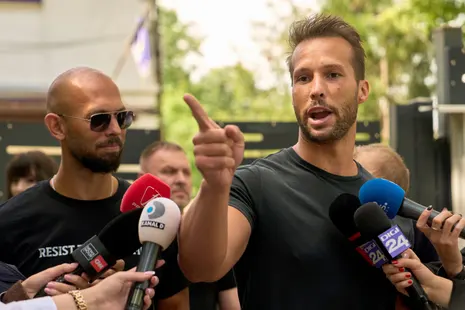
Table of Contents
Tate Brothers Seek Freedom from Miami Detention While Extradition Battle Continues
Wanderstayfinder.com – In a Miami federal courtroom on Thursday, the legal team representing social media figures Andrew and Tristan Tate made a forceful plea for their clients’ release on bail, arguing that the two men should not remain locked up while their extradition proceedings to the United Kingdom unfold. The brothers, who face serious criminal allegations in Britain including rape, assault, and facilitating trafficking for sexual exploitation, appeared before US magistrate judge Lauren Louis in beige detention uniforms, both sporting full beards.
Their attorney, Howard Srebnick, anchored the defense argument on a simple premise: the men have already demonstrated reliable court attendance in another jurisdiction. He pointed to the Tates’ regular appearances before Romanian courts, where they currently hold pre-trial release status, and framed that record as proof they pose no flight risk.
“The brothers have been fully compliant with their conditions of release,” Srebnick told the court.
The Charges and the Arrest
The pair, both holding dual American and British citizenship, were taken into custody in Miami on 18 July following a formal extradition request from British authorities. They have consistently denied any wrongdoing. Their detention represents a sharp escalation in years of legal entanglement for the former professional kickboxers, who cultivated a massive online audience by promoting particular views on masculinity, wealth, and personal ambition. Andrew Tate has openly called himself a misogynist, a self-description that has become inseparable from his public persona.
According to court filings from the Miami US attorney’s office dated 10 August, the brothers built a webcam pornography operation beginning in 2014, recruiting dozens of women to work within it. They subsequently launched online courses marketed under the brand name “Hustler’s University.” Prosecutors used these details to paint a picture of a business empire that, they argued, created conditions ripe for the alleged abuses now under investigation.
Prosecutors’ Case for Continued Detention
The government side leaned on a well-established legal principle: international extradition cases carry a strong presumption in favor of keeping the accused detained. Miami prosecutors argued that releasing the Tates could endanger the community, citing British authorities’ allegations that the men strangled victims during forcible rapes. They also warned of flight risk, noting the brothers’ extensive international travel history and resources.
Additional weight came from Romanian proceedings, where the Tates face separate human-trafficking charges. US prosecutors relayed Romanian authorities’ claims that, while on judicial supervision there, the brothers attempted to shape witnesses’ testimony. Romanian officials alleged the men threatened to publish private information about alleged victims and bribed at least one woman connected to the case, according to the US filing.
The Defense Counter-Argument
The Tate brothers’ lawyers pushed back on every element of the prosecution’s detention rationale. In their own court submissions, they contended that incarceration was unnecessary because the men’s “extraordinary public visibility” rendered any escape attempt practically impossible. Every move they made, they argued, would be scrutinized by millions of followers and journalists alike.
On the witness-influence question, the defense reframed the narrative entirely. They stated that the women alleged to have been bribed were in fact individuals who wished to testify in the Tates’ favor. The brothers, the lawyers said, merely assisted those women with travel arrangements to Bucharest and retained legal counsel for them — acts of advocacy, not coercion.
As a practical alternative to full detention, the defense proposed a package of conditions: posting a monetary bond, surrendering both passports to the court, and submitting to electronic location monitoring. They asked Judge Louis to adopt those safeguards and free the men pending the outcome of the extradition hearing.
Timeline and What Comes Next
The extradition determination process can stretch across many months. Under current US court records, British prosecutors have until 16 September to deliver a complete extradition request to the US State Department. Until that document arrives and is vetted, the legal machinery will continue to grind forward in stages.
The immediate trigger for the Miami arrests was a fresh set of charges brought by Britain’s Crown Prosecution Service, relating to alleged offenses involving four victims between July 2010 and August 2017. Those new counts sit alongside earlier rape and human-trafficking allegations tied to three additional alleged victims, as the CPS outlined. A British judge signed arrest warrants for the pair in 2024, yet neither Tate has ever stood before a UK court to enter a plea on any of those charges. Extradition, if granted, would bring them home to face both sets of accusations simultaneously.
For now, the question before Judge Louis is narrower but consequential: whether two men with global audiences, substantial wealth, and pending criminal cases on two continents should spend the coming months in a Miami cell or under monitored liberty while the extradition clock ticks toward its September deadline.
Related Reading
Frequently Asked Questions
What is Tate brothers urge release on bail?
Tate brothers urge release on bail is the main topic of this guide. The article explains the context, practical details, and next steps readers should understand.
Why does Tate brothers urge release on bail matter?
Tate brothers urge release on bail matters because readers are looking for a useful answer, not just a short summary. Good content should match search intent and help them decide what to do next.