How to use up parmesan rind to make pesto – recipe

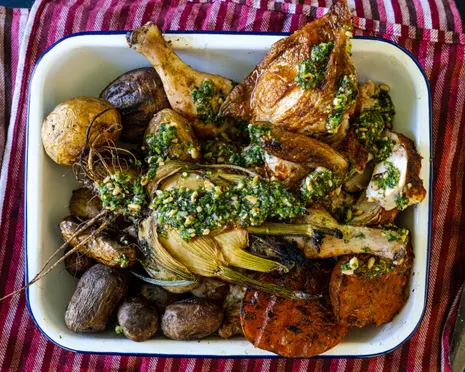
Table of Contents
Transforming Kitchen Scraps: A Guide to Parmesan Rind Pesto
Wanderstayfinder.com – Every time you grate cheese for pasta or bake with it, a small but flavorful piece is often tossed into the bin. That discarded parmesan rind, though tough to the touch, carries an intensity of taste that rivals—or even surpasses—the soft interior of the cheese wheel. Rather than letting this culinary treasure go to waste, home cooks can harness its depth to create something extraordinary. While many use the rind simply to infuse stocks or Venetian pea risotto, grating it unlocks a wider array of possibilities. From enriching macaroni dishes to crafting vibrant sauces, this humble scrap deserves a second life in your kitchen.
The Science of Texture and Flavor
Creating pesto is a straightforward process, yet the method you choose significantly impacts the final result. While a blender offers speed and convenience, working with a traditional pestle and mortar yields a more complex outcome. The mechanical action of crushing and bruising ingredients releases volatile oils and flavor compounds that a sharp rotating blade might miss. This gentle yet firm pressure breaks down cell walls more thoroughly, resulting in a sauce with greater aromatic intensity and a richer mouthfeel. The texture also benefits from this approach, avoiding the overly smooth, almost liquid consistency that blenders sometimes produce.
The parmesan rind itself acts as a flavor amplifier. When incorporated into pesto, it creates a robust sauce that stands up beautifully to bold ingredients. Wholegrain pastas, with their nutty character, complement the earthy notes of the rind. Similarly, barbecued meats and vegetables benefit from the umami depth that this ingredient brings to the table. Because the flavor is so potent, a little goes a long way. You may discover that you need significantly less grated rind than you initially expect to achieve the desired impact.
Building Your Pesto
Starting with quality ingredients ensures the best results. Toasting pine nuts in a dry pan until they turn golden brown brings out their natural oils and adds a subtle crunch. Once cooled, they can be divided for different stages of preparation. Begin by grinding a peeled garlic clove with coarse sea salt in your mortar until you achieve a smooth paste. This step helps break down the garlic fibers and distributes the salt evenly throughout the mixture.
Next, incorporate half of the toasted pine nuts, crushing them into smaller pieces while leaving the remainder whole for later. This technique creates a pleasing contrast in texture. Add fresh basil leaves and stalks in handfuls, working quickly to maintain the vibrant green color. The basil should be incorporated before the cheese to prevent oxidation. Finally, pound in two tablespoons of finely grated parmesan rind—using a Microplane ensures the pieces are small enough to blend seamlessly.
Slowly drizzle in extra-virgin olive oil, between one hundred and one hundred fifty milliliters depending on your preferred consistency. The oil should be added gradually to allow the mixture to emulsify properly. Once the desired thickness is reached, fold in the remaining whole pine nuts and adjust the seasoning with additional salt if necessary. The result is a pesto that is both visually appealing and deeply flavorful.
Storage and Versatility
This versatile sauce can be enjoyed immediately or stored for future meals. Transfer it to a sealed container and refrigerate for up to two days. The olive oil on top will help preserve freshness, though you may need to stir it in before serving. Beyond traditional pasta applications, consider using it as a spread for sandwiches, a topping for grilled vegetables, or a base for salad dressings. Its compatibility with various cuisines makes it an invaluable addition to any pantry.
The flavor is very powerful, though, so add it to taste: you may find that you need a lot less than you think you do.
By embracing zero-waste cooking principles, you not only reduce food waste but also enhance your culinary creations. The next time you enjoy a wedge of parmesan, resist the urge to discard the rind. Instead, grate it and transform it into a pesto that celebrates both sustainability and flavor.
Related Reading
Frequently Asked Questions
What is How to use up parmesan rind?
How to use up parmesan rind is the main topic of this guide. The article explains the context, practical details, and next steps readers should understand.
Why does How to use up parmesan rind matter?
How to use up parmesan rind matters because readers are looking for a useful answer, not just a short summary. Good content should match search intent and help them decide what to do next.