
Victorian Liberals promise weekly red bin garbage collections for all, calling fortnightly system ‘disgusting’

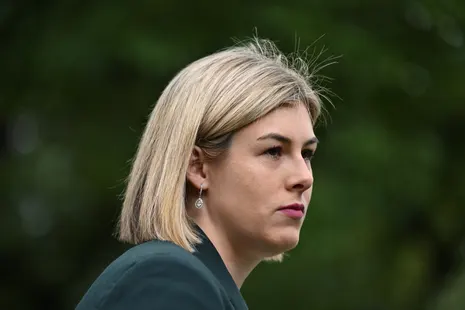
Table of Contents
Liberal Party Pledges Return to Weekly Rubbish Collection Across Victoria
Wanderstayfinder.com – The Victorian Liberal Party has committed to reinstating weekly general rubbish collections if victorious in the upcoming November state election, positioning the policy as a response to what leader Jess Wilson describes as an inadequate fortnightly schedule. The opposition leader characterized the current system in her Kew electorate as “disgusting,” citing overflowing bins and the challenges faced by families with young children.
Thirty-three local councils throughout Victoria have transitioned from weekly to fortnightly general waste collection, a trend mirrored in other Australian states. Within metropolitan Melbourne, the councils implementing this change include Banyule, Bayside, Boroondara, Glen Eira, Knox, Manningham, Monash, Nillumbik, and Yarra Ranges. Merri-bek is anticipated to join this group from mid-2027, a transition the council estimates will save ratepayers $16 million over a decade while simultaneously reducing landfill volumes and lowering pollution levels.
Bin Capacity and Rate Cap Proposals
Under Merri-bek’s framework, the standard red-lid rubbish bin would expand from 80 litres to 120 litres. Households with specific needs, particularly those with multiple children requiring frequent nappy changes, would qualify for larger bins at no additional cost. Wilson outlined that a Liberal-National government would mandate weekly collections across all councils and extend the existing council rate cap—currently limiting annual rate increases to inflation—to waste charges, ensuring households do not face increased costs solely due to the policy reversal.
Wilson, whose Kew electorate sits within the Boroondara local government area, described the return to weekly collections as “common sense.” Speaking to 3AW radio, she shared her personal experience: “To be perfectly honest – it’s disgusting. The bins are overflowing. I have a toddler, we have nappies and we have many little kids on our street with large families.” She continued, “You know what it’s like on bin night, when you have two or three extra bags and you’re trying to find somewhere to put them. They end up in council parks in the bins there overflowing.”
Environmental and Economic Considerations
Wes Gault, mayor of Boroondara, acknowledged resident concerns about waste disposal costs but attributed the financial burden primarily to the state government’s landfill levy, which has risen substantially in recent years. “This change will cost our residents at least $3m more a year in trucks, fuel, servicing and staffing alone – not including the extra landfill levies,” Gault stated. He emphasized that 70% of material collected across Boroondara’s kerbside bins is currently diverted from landfill, warning that reverting to weekly collection could reverse this progress by increasing emissions through additional truck journeys and generating more potent landfill methane.
Most councils that adopted fortnightly collection cited the introduction of weekly food organics and garden organics (Fogo) collection as the primary catalyst. The shift encourages residents to deposit food scraps into green bins for composting rather than sending them to landfill, where decomposition produces methane—a greenhouse gas significantly more potent than carbon dioxide. Whitehorse council evaluated a similar transition but opted to maintain weekly collection, noting in consultation materials that food waste constitutes 40% of the total weight in rubbish bins. The council reported that Boroondara, Knox, Manningham, and Monash collectively reduced landfill waste by an average of 19% during the first year following their switch to weekly Fogo and fortnightly general rubbish collections.
Broader Context and National Implications
Rubbish management has emerged as a prominent electoral issue in Victoria this year. Several councils resisted a mandated deadline to introduce a fourth, purple-lidded bin for glass by July 1, 2027, as part of a statewide four-bin system overhaul. The government initially announced this comprehensive reform in 2020, following the collapse of SKM—the state’s largest recycling company—during the previous year. SKM’s failure resulted in thousands of tonnes of recyclable material being diverted to landfill, highlighting vulnerabilities in the recycling supply chain.
The Liberal Party has pledged to review the landfill levy if elected and to make the purple bin optional rather than mandatory. Meanwhile, in Western Australia, One Nation candidate Luke Herdegen is leveraging a state byelection to advocate for Rockingham council to restore weekly rubbish collection, demonstrating that the fortnightly versus weekly debate extends beyond Victoria’s borders.
“Weekly rubbish collection was an essential service that shouldn’t depend on your postcode,” Wilson said in a formal statement.
The upcoming election will likely see waste management feature prominently in voter considerations, as households weigh the convenience of weekly collections against the environmental and economic benefits of the current fortnightly model. With councils across the state having invested in infrastructure and public education for the new system, any reversal would require careful balancing of resident expectations, environmental targets, and financial sustainability.
Related Reading
Frequently Asked Questions
What is Victorian Liberals promise weekly red bin garbage?
Victorian Liberals promise weekly red bin garbage is the main topic of this guide. The article explains the context, practical details, and next steps readers should understand.
Why does Victorian Liberals promise weekly red bin garbage matter?
Victorian Liberals promise weekly red bin garbage matters because readers are looking for a useful answer, not just a short summary. Good content should match search intent and help them decide what to do next.


