
Canadian Cruise Passenger Gets Presumptive Positive Hantavirus Test
Canadian cruise passenger gets presumptive positive – On Saturday, Canadian health authorities announced that one of four passengers who disembarked from the cruise ship MV Hondius has received a “presumptive positive” result for hantavirus. The confirmation of this case, however, is still pending as the National Microbiology Lab in Winnipeg works to finalize the diagnosis. Dr. Bonnie Henry, the provincial public health officer for British Columbia, shared the update, emphasizing that the development aligns with the outbreak’s progression despite being less than ideal.
Early Symptoms and Hospitalization
The individual, part of a couple in their 70s, began exhibiting mild symptoms such as fever and headache two days prior. Both members of the pair are currently hospitalized in Victoria, where they are under observation and receiving necessary medical attention. Dr. Henry noted that the patient remains stable, with symptoms that have not escalated significantly. “They are still in hospital, in isolation, being monitored and receiving care as needed,” she stated, underscoring the ongoing vigilance required.
“Clearly this is not what we hoped for, but it is what we planned for.”
Meanwhile, the other member of the couple showed only “very minor symptoms,” and their tests came back negative. Dr. Henry highlighted this as a positive sign, stating, “It is encouraging that symptoms were identified early, supportive care can be provided, and they will be monitored carefully over the next few days.” This early detection, she explained, allows for prompt intervention and reduces the risk of complications, though further testing is crucial to confirm the diagnosis.
Outbreak Timeline and Case Count
The hantavirus outbreak on the MV Hondius has now reached 12 confirmed cases, with nine individuals officially diagnosed. Tragically, three deaths have been reported since the outbreak began on May 10. If the Canadian case is confirmed, it would mark the 10th positive result linked to the ship, bringing the total to a critical threshold. Among the fatalities are a Dutch couple, who health officials believe were the first to contract the virus while in South America. Their exposure, they suspect, set the outbreak in motion before the ship set sail.
Dr. Henry described the four Canadian passengers who returned to British Columbia as part of a broader effort to contain the spread. The group included a senior from the Yukon, another from Vancouver Island, and a third individual in their 50s who resides abroad. All were placed in isolation immediately upon arrival, with continuous monitoring to prevent any potential transmission within the community. “We’ve had infection control precautions in place from the moment these people arrived in British Columbia,” she clarified, assuring the public of proactive measures.
Understanding Hantavirus and Its Spread
Dr. Henry emphasized that hantavirus differs significantly from COVID-19 in terms of transmission and severity. While the virus is not considered to have “pandemic potential,” it remains a serious health concern, particularly in enclosed spaces where respiratory droplets can linger. “I want to reassure everybody in that for most of us the situation has not changed,” she said, adding that the Canadian patient’s case would not disrupt existing protocols. The outbreak, though concerning, is being managed with targeted strategies to minimize its impact.
“I’m confident there’s no additional risk. We are well prepared to respond carefully and appropriately to keep everyone safe.”
Officials are closely tracking the virus’s spread on the ship and in the local population. The presumptive positive result adds to the growing list of cases, but Dr. Henry stressed that the current measures—such as isolation, hygiene protocols, and medical support—are sufficient to handle the situation. “The virus is highly contagious in certain environments, but our response has been swift and effective,” she said, highlighting the importance of early detection and containment.
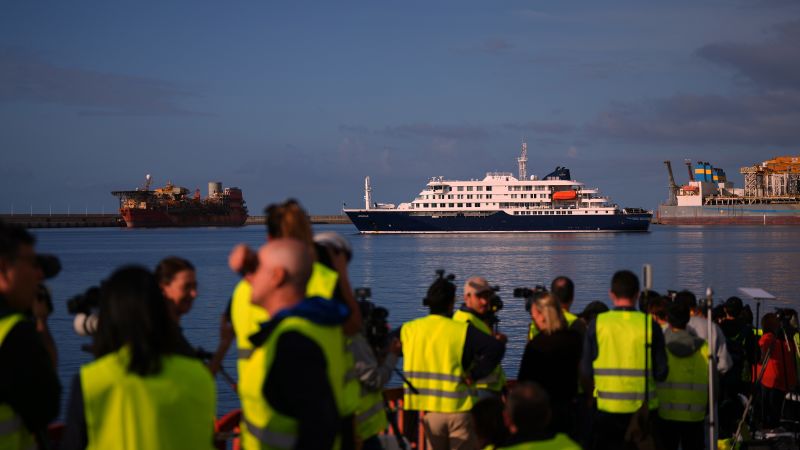
The cruise ship, MV Hondius, has been a focal point of public health investigations. With 12 cases reported, including the recent presumptive positive, the outbreak is now classified as a significant but localized event. Dr. Henry mentioned that the virus’s presence among the passengers has been carefully documented, and the four Canadian cases are part of a broader pattern. “This is a reminder of how quickly hantavirus can spread in confined settings,” she added, urging continued caution.
Health experts have noted that hantavirus is typically transmitted through inhalation of aerosolized particles from rodent excrement, though close contact with infected individuals can also contribute to its spread. The outbreak on the MV Hondius, which operated in the Pacific Northwest, raises questions about how the virus was introduced to the vessel. Dr. Henry speculated that the Dutch couple, who had previously been in South America, may have brought the virus with them. “Their exposure could have been the catalyst for this outbreak,” she said, pointing to the timeline of events.
As the National Microbiology Lab in Winnipeg processes the final confirmation, Canadian officials are maintaining transparency. Dr. Henry reiterated that the healthcare system is equipped to manage the situation, with hospitals and clinics prepared to handle any additional cases. “We are not facing a widespread crisis, but we are taking it seriously,” she stated. This approach reflects the balance between acknowledging the outbreak’s risks and ensuring the public remains informed without undue alarm.
The four Canadians who returned from the cruise have been isolated and are undergoing further testing. Their cases, though concerning, are seen as part of a manageable outbreak. Dr. Henry highlighted the importance of isolating affected individuals to prevent community transmission, especially in regions with active rodent populations. “We are working closely with local health authorities to ensure all necessary precautions are in place,” she said.
As the weekend approaches, the confirmation of the Canadian patient’s case will provide critical insights into the virus’s prevalence. This development may influence public health guidelines and reinforce the need for vigilance, particularly in travel-related contexts. “The virus is still active on the ship, but our response has been effective so far,” Dr. Henry concluded, expressing optimism about the containment efforts. The focus remains on monitoring the situation and providing support to those affected, while ensuring the broader community remains protected.
Public Health Measures and Community Safety
Dr. Henry’s reassurance comes as a key message to the public, aiming to alleviate fears about the virus spreading beyond the cruise ship. She outlined the steps taken to safeguard the community, including immediate isolation of passengers, enhanced cleaning procedures, and close collaboration with healthcare providers. “We’ve implemented strict protocols to ensure the safety of everyone in British Columbia,” she said. These measures are part of a larger strategy to control the outbreak and prevent any large-scale health crisis.
With the presumptive positive case confirmed, the next phase involves determining the extent of the virus’s spread among the other passengers. Health officials are also reviewing the timeline of the outbreak to better understand how it escalated. The three fatalities, while heartbreaking, serve as a stark reminder of the virus’s severity. “It’s important to recognize that hantavirus can be deadly, especially if symptoms are not detected early,” Dr. Henry warned. This underscores the need for continued monitoring and public awareness campaigns.
Despite the challenges, the Canadian team is confident in their ability to manage the outbreak. Dr. Henry emphasized that the healthcare infrastructure is robust and capable of handling any additional cases. “We’ve been preparing for this scenario, and our response has been consistent with the best practices,” she said. The focus remains on maintaining stability, supporting patients, and preventing any further complications.
As the public waits for the final confirmation, the story of the Canadian passenger adds to the narrative of the outbreak. The couple’s mild symptoms and the early identification of cases suggest that the virus is not yet at its most aggressive stage. However, Dr. Henry reminded everyone that vigilance is key. “We are in the early phases of this outbreak, but we must remain proactive to ensure the best possible outcomes for all involved,” she said. This message is directed at both the passengers and the broader population, emphasizing the importance of following health guidelines and staying informed.





