Pernyataan Wakil Ketua Komisi VDPR RI Soal Harga Tiket Pesawat Jakarta-Aceh Wakil Ketua Komisi VDPR RI, Syaiful Huda, menyoroti pernyataan Menteri Kesehatan (Menkes) Budi Gunadi Sadikin yang mengeluhkan harga tiket pesawat Jakarta-Aceh yang terlalu mahal. Menurut Huda, hal ini menyebabkan para relawan yang akan dikirim ke Sumatera dan Aceh harus ‘transit’ di Malaysia untuk mendapatkan tiket yang lebih murah. “Fenomena relawan kesehatan yang harus ‘transit’ di Malaysia untuk menuju Aceh atau Medan karena harga tiket pesawat yang lebih murah merupakan anomali transportasi yang memprihatinkan kita semua. Fakta ini menunjukkan jika ada yang salah dalam pengelolaan transportasi udara kita,” kata Huda kepada wartawan, Selasa (13/1/2026). Kesulitan Bisnis Penerbangan di Indonesia Huda menilai bisnis penerbangan Tanah Air sulit bersaing dengan negara-negara lain yang menawarkan harga lebih murah. Sebagai Ketua DPP PKB, ia menyoroti wilayah geografis Indonesia berupa kepulauan. “Padahal harusnya dengan wilayah geografis kita yang berupa kepulauan, transportasi udara harusnya menjadi tulang punggung bagi pergerakan ekonomi dan sosial kita. Ironisnya justru bisnis penerbangan kita sulit bersaing dibandingkan dengan negara-negara lain,” katanya. Pajak PPN pada Tiket Pesawat Domestik Huda menyebutkan bahwa salah satu faktor penyebab kesulitan maskapai nasional adalah pajak PPN 11% yang dikenakan untuk tiket pesawat rute domestik. Sementara rute internasional tidak dikenakan PPN. “Indonesia adalah sedikit negara di dunia yang mengenakan PPN 11% untuk tiket pesawat rute domestik. Sementara itu, rute internasional justru tidak dikenakan PPN. Hal inilah yang menjelaskan mengapa tiket pesawat Jakarta-Medan jauh lebih mahal daripada Jakarta-Kuala Lumpur,” ucapnya. Beban Pajak Impor Suku Cadang Pesawat Menurut Huda, sekitar 70% biaya pemeliharaan pesawat (maintenance, repair, dan overhaul) dilakukan dengan suku cadang impor. Ia menilai bea masuk untuk suku cadang pesawat meningkatkan biaya operasional secara signifikan. Harga Avtur di Indonesia Huda juga menyinggung soal harga avtur di Indonesia. Ia menyebut harga avtur menyumbang sekitar 30-40% dari total biaya operasional maskapai. “Kurangnya kompetisi dalam penyediaan avtur di bandara-bandara besar membuat harga bahan bakar kita sulit menyamai harga di Singapura atau Malaysia,” ujarnya. Beban Layanan Bandara Keempat, adanya biaya layanan bandara yang beban langsung pada komponen harga tiket yang dibayar konsumen. “Melakukan relaksasi bea masuk suku cadang pesawat, membuka ruang bagi penyedia avtur dari swasta hingga evaluasi tarif batas atas harga tiket untuk melindungi konsumen. Jika ini dilakukan maka kami yakin industri transportasi udara akan tumbuh dan memberikan multiplier effect yang luar biasa baik di sektor ekonomi, pariwisata, hingga sosial,” ujarnya. Ia menilai jika hal itu bisa dilakukan maka pergerakan wisatawan nusantara juga akan meningkat. Selain itu, aksi tanggap untuk membantu korban bencana akan lebih mudah dilakukan.

First-Time Travelers: Smart Tips to Navigate Your First Adventure
Traveling for the first time is an exciting yet daunting experience. Whether you’re embarking on a short trip to a nearby city or planning a long-awaited adventure abroad, the thrill of exploring new places, meeting new people, and immersing yourself in unfamiliar cultures can be overwhelming. But with the right travel tips for first time travelers, you can turn this journey into a smooth and memorable one. From choosing the perfect destination to managing your budget, every step of the way requires preparation and strategy. This article will guide you through essential travel tips for first time travelers to help you navigate your first adventure confidently and enjoyably. Planning Your First Trip Before you even pack your bags, it’s crucial to lay a solid foundation for your journey. Planning can make or break your experience, especially as a first-time traveler who may not be familiar with the logistics of traveling. Start by defining your travel goals. Are you looking for relaxation, adventure, cultural immersion, or a mix of all? Your goals will shape the type of destination you choose and the activities you plan. Choosing the right destination is the first hurdle. Opt for a place that aligns with your interests and is within your comfort zone. For instance, if you’re new to travel, a destination with easy access to public transportation, English-speaking locals, and a well-developed infrastructure might be a safer bet. However, don’t shy away from slightly more challenging locations if you’re up for the adventure. Researching the destination’s climate, local customs, and safety ratings can help you avoid surprises and make informed decisions. Once you’ve settled on a destination, create a realistic itinerary. A well-structured plan ensures you don’t feel lost or overwhelmed. Break your trip into manageable segments, such as days or weeks, and allocate time for both planned activities and spontaneous exploration. Remember, flexibility is key—being too rigid can lead to stress if things don’t go as expected. Include a mix of must-see attractions and free time for rest or unexpected discoveries to balance excitement with comfort. Budgeting for Your First Adventure A common concern for first-time travelers is managing their travel tips for first time travelers budget effectively. Start by setting a clear budget limit and categorizing your expenses. Divide your funds into accommodation, transportation, food, activities, and emergencies. This approach helps you track your spending and avoid overspending. Prioritize essential costs such as flights, accommodation, and local transportation. Use budget-friendly options like shared accommodations, public transport, or walking tours to save money. For example, instead of booking a luxury hotel, consider a hostel or Airbnb that offers value for money. Researching deals on flights and accommodations can also make a significant difference. Look for early bird discounts, loyalty programs, or flexible booking options to maximize savings. Don’t forget to account for hidden expenses. Things like visa fees, travel insurance, and unexpected costs for souvenirs or meals can add up. Set aside a small percentage of your budget for emergencies to avoid financial strain. Using budgeting apps or spreadsheets can help you stay organized and ensure you have enough funds for your entire trip. Smart Packing Strategies Packing for your first trip might seem simple, but it can quickly become a chaotic task if you’re not careful. Smart packing strategies are essential for first-time travelers to ensure you’re prepared without overloading your luggage. Start by packing light and organizing efficiently. A common mistake is bringing too many items, which can make it difficult to carry everything or fit it into your luggage. Focus on versatility when selecting clothing and accessories. Pack items that can be layered or mixed and matched to suit different weather conditions and occasions. For example, a lightweight jacket can transition from day to night, and a pair of comfortable shoes is a must for exploring new places. Labeling your bags with your name and contact information can also help you avoid lost luggage, especially when traveling with multiple people. Document Checklist and Travel Essentials Travel documents are a critical part of your travel tips for first time travelers. Make sure to include your passport, visa, and any required vaccinations or health certificates. Double-checking the validity of your passport is essential, as some countries require a minimum validity period. Also, carry copies of your documents in case of loss or theft. Emergency essentials should never be overlooked. Pack a small first-aid kit, a portable power bank, and essential medications. These items can provide peace of mind in case of unexpected situations. Additionally, keeping your travel essentials like a reusable water bottle, a travel-sized toiletry bag, and a universal adapter can simplify your journey. Using a packing list to cross off items as you go can help you stay on track and avoid last-minute stress. Navigating the Destination Once you arrive at your destination, the next challenge is figuring out how to get around and make the most of your time. Navigating the destination as a first-time traveler can be tricky, but with a few key strategies, you can feel more confident and independent. Understanding local transportation is crucial. Research the best ways to move between cities, towns, or attractions. Public transportation, ride-sharing apps, or renting a bike might be the most cost-effective options. Familiarizing yourself with the local transit system in advance can save you time and money. For instance, downloading a transit app or map before your trip can help you avoid getting lost. Language and Cultural Etiquette Learning a few basic phrases in the local language can go a long way in making your experience more enjoyable. Greeting locals with a simple “hello” or “thank you” often earns you a friendly response and can open doors to helpful interactions. However, don’t feel pressured to speak fluently—many people appreciate your effort even if you make minor mistakes. Cultural etiquette is another important aspect of your travel tips for first time travelers. Research local customs, such as dining habits, dress codes, and social norms. For example, in some cultures, it’s

Solving Travel Destination Stress: Smart Strategies for Peaceful Journeys
Traveling is often seen as a way to escape the daily grind and recharge your energy. However, for many, the journey itself can become a source of stress rather than a stress reliever. Whether it’s navigating unfamiliar places, worrying about weather disruptions, or managing unexpected expenses, solving travel destination stress is essential for ensuring that your trip remains enjoyable and fulfilling. The pressure to perfect every detail of your itinerary, from accommodation to transportation, can lead to anxiety before departure and during the trip. This article explores effective strategies to address these challenges, offering actionable advice to transform your next adventure into a peaceful journey. By understanding the root causes of stress and implementing smart techniques, travelers can enhance their experience and enjoy the freedom of exploration without the burden of worry. Understanding the Root Causes of Travel Destination Stress Before diving into solutions, it’s crucial to identify the core factors that contribute to stress during travel. One of the most common causes is overplanning. While careful preparation can reduce uncertainty, an overly rigid itinerary leaves little room for spontaneity, which can make travelers feel trapped in a schedule that doesn’t allow for flexibility. For example, if you’ve mapped out every minute of your trip, a simple delay at the airport or a missed bus can derail your entire plan and create a sense of panic. Another key contributor is financial pressure. Many travelers stress over the cost of their trip, especially when they’re not prepared for hidden fees or price fluctuations. Unexpected expenses such as last-minute accommodations, emergency transportation, or dining bills can quickly add up, making it difficult to enjoy the experience without worrying about the budget. Language barriers also play a significant role in travel stress. Even if you speak a few phrases, the fear of miscommunication can be overwhelming, particularly in places where English isn’t widely spoken. This anxiety is often compounded by cultural differences, such as unfamiliar customs, food, or social norms, which can lead to feelings of isolation or confusion. Lastly, unrealistic expectations can create unnecessary pressure. If you’ve envisioned a perfect trip but the reality doesn’t match, the disappointment can be as stressful as the trip itself. This is especially true when travelers set high standards for their destination, only to find that things aren’t as ideal as they hoped. Identifying Common Stress Triggers To effectively solving travel destination stress, you must first recognize the stress triggers that affect you personally. Some people may struggle with time management, while others might be more affected by cultural adaptation. For instance, a time-sensitive traveler might stress over tight schedules, whereas a culture-shock prone individual could feel overwhelmed by the local environment. By analyzing your own stressors, you can tailor strategies to address them directly. One effective method is to journal before the trip. Writing down your concerns, both big and small, can help you prioritize what matters most. This practice not only clarifies your expectations but also prepares you mentally for potential challenges. For example, if you’re worried about language difficulties, you can focus on learning key phrases rather than attempting to master the entire language. The Role of Environmental Factors Environmental factors such as overcrowded destinations or weather unpredictability can also add to the stress of travel. Visiting a popular tourist spot during peak season often means dealing with long queues, limited parking, and crowded accommodations. These conditions can make even the simplest tasks, like finding a meal or taking a photo, feel daunting. Similarly, weather disruptions can throw your plans into chaos. A sudden storm or an unexpected snowfall might force you to change your itinerary or adjust your travel plans on the fly. While these situations are unavoidable, being prepared for such scenarios can minimize their impact. For instance, packing weather-appropriate clothing or having a backup activity in mind can help you stay calm and adaptable. The Impact of Technology on Stress In today’s digital age, technology is both a boon and a bane for travelers. On one hand, apps and online tools can help you plan your trip more efficiently. On the other hand, constant connectivity can lead to information overload and pressure to stay updated. For example, checking flight status every few minutes or scanning reviews for every restaurant can create a sense of urgency that amplifies stress. This technology-induced anxiety is especially noticeable when travelers compare their experiences to others. Social media platforms often showcase perfectly curated trips, making your own journey feel less exciting or more stressful. By setting boundaries with technology, such as designating tech-free hours, you can reduce the mental load and reconnect with the present moment. Practical Strategies for Managing Travel Stress Once you’ve identified the sources of stress, the next step is to implement practical strategies to manage and reduce it. These techniques not only help you navigate challenges more smoothly but also enhance your overall experience. Building a Flexible Itinerary A flexible itinerary is one of the most effective ways to solve travel destination stress. Instead of rigidly sticking to a schedule, allow for buffer time between activities. This buffer gives you room to adapt if something unexpected happens, such as a delayed flight or a closed attraction. For example, if you plan to visit a museum in the morning, reserve an afternoon activity as a fallback option in case you arrive late or decide to explore the local market instead. Planning ahead without being overly precise is key. Researching the destination in advance can help you anticipate possible issues, but leaving some spontaneity in your plans ensures that you enjoy the journey without constant worry. This balance between preparation and flexibility is crucial for stress-free travel. Prioritizing Health and Wellness Travel stress can take a toll on your physical and mental health, so prioritizing wellness should be a key part of your strategy. Getting enough rest before the trip helps you start with energy, while eating well prevents low energy levels during the journey. For example, avoiding heavy meals before boarding

Rencana Khusus: Cek Fakta: Tidak Benar Link Ini Pendaftaran Bansos 2026
Liputan6.com, Jakarta Beredar unggahan di media sosial yang mengklaim adanya link pendaftaran bantuan sosial (bansos) 2026. Informasi tersebut diunggah oleh salah satu akun Facebook sejak 7 Januari 2026. Berikut isi unggahannya: “BURUAN DAFTAR & CEK NAMA PENERIMA BANSOS BPNT & PKH, KKS, BLT PELAJARI SELENGKAPNYA DI LINK YANG TERCANTUM” Unggahan tersebut turut menyertakan poster dengan tulisan: “CARA DAFTAR BANSOS 2026 PAKAI NIK E-KTP LEWAT HP, CEPAT DAN RESMI” Link yang disematkan dalam unggahan adalah: “https://daftarsekarangv35.guanly.my.id/?fbclid=IwY2xjawPO-XRleHRuA2FlbQIxMQBicmlkETFkcUZoc2trWXVHcE05aENUc3J0YwZhcHBfaWQQMjIyMDM5MTc4ODIwMDg5MgABHvJRDXMMvkCiB5Tv2hbZMHK15RFowpoqToL4yMzYJvQGO-BunJ5mx3DBdwt5_aem_edARBGfhOfhYB3nL4zfWrQ” Link tersebut mengarah pada halaman situs yang menampilkan formulir digital dan meminta data pribadi, seperti nama serta nomor Telegram. Benarkah Klaim Link Pendaftaran Bansos 2026? Simak penelusuran Cek Fakta Liputan6.com terhadap klaim link pendaftaran bansos 2026. Penelusuran mengarah pada artikel Liputan6.com berjudul “Cara Daftar Bansos Desember 2025 untuk Keluarga Miskin dan Rentan” yang dimuat pada 2 Desember 2025. Kriteria Penerima Bansos Artikel tersebut menjelaskan bahwa masyarakat wajib memenuhi serangkaian kriteria untuk masuk dalam daftar penerima bantuan sosial. Kriteria ekonomi menjadi sangat penting, di mana penerima harus masuk kategori miskin atau rentan miskin, idealnya berada pada desil 1-4 berdasarkan Data Tunggal Sosial Ekonomi Nasional (DTSEN). Selain itu, rumah tangga calon penerima harus terdaftar dalam DTKS/DTSEN dan tidak menerima bantuan ganda dari program serupa. Cara Pendaftaran Bansos Ada dua cara utama untuk mendaftar: 1. Pendaftaran Online melalui Aplikasi “Cek Bansos” Kemensos. Pemerintah telah menyediakan aplikasi dan platform digital resmi untuk mempermudah proses pendataan. Langkah pertama adalah mengunduh aplikasi “Cek Bansos” Kemensos RI dari Google Play Store atau App Store. 2. Pendaftaran Offline melalui Desa atau Kelurahan. Bagi masyarakat yang lebih nyaman dengan metode tatap muka, pendaftaran juga dapat dilakukan secara offline. Masyarakat yang merasa memenuhi kriteria dapat mendaftarkan diri ke kantor desa atau kelurahan setempat pada jam kerja. Pastikan membawa dokumen pendukung seperti Kartu Tanda Penduduk (KTP) dan Kartu Keluarga (KK) asli. Hasil Penelusuran Cek Fakta Liputan6.com Klaim link pendaftaran bansos 2026 tidak benar. Melawan hoaks sama saja melawan pembodohan. Itu yang mendasari kami membuat Kanal Cek Fakta Liputan6.com pada 2018 dan hingga kini aktif memberikan literasi media pada masyarakat luas. Sejak 2 Juli 2018, Cek Fakta Liputan6.com bergabung dalam International Fact Checking Network (IFCN) dan menjadi partner Facebook. Kami juga bagian dari inisiatif cekfakta.com. Kerja sama dengan pihak manapun, tak akan mempengaruhi independensi kami. Jika Anda memiliki informasi seputar hoaks yang ingin kami telusuri dan verifikasi,
Kebijakan Baru: Yusril Sebut Pilkada Lewat DPRD Lebih Mudah Diawasi: Jumlahnya Terbatas
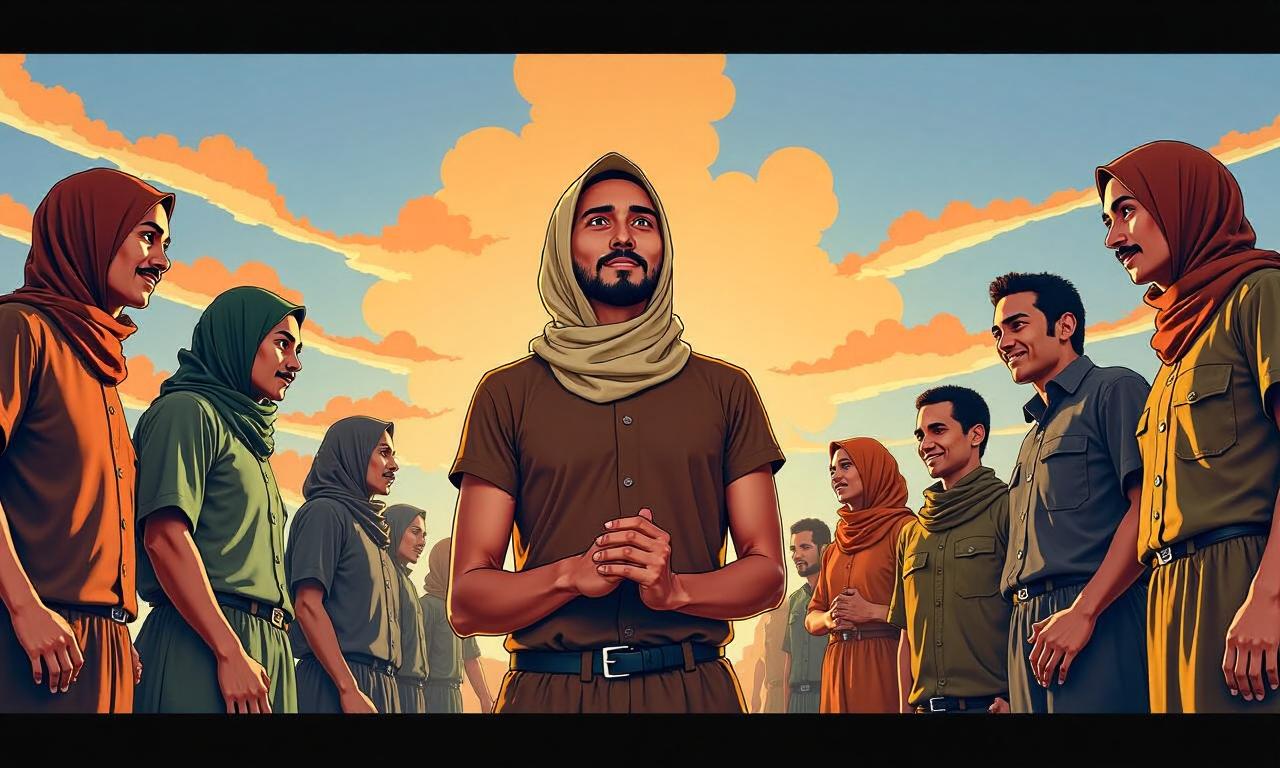
Pemilihan Kepala Daerah: Yusril Ihza Mahendra Tekankan Kebutuhan Pemantauan yang Lebih Mudah Menteri Koordinator Bidang Hukum, Hak Asasi Manusia, Imigrasi, dan Pemasyarakatan (Menko Kumham Imipas) Yusril Ihza Mahendra menekankan bahwa pemilihan kepala daerah (pilkada) melalui DPRD akan lebih mudah diawasi dibandingkan pilkada langsung yang dipilih rakyat. Hal ini disebabkan oleh jumlah anggota DPRD yang terbatas, berbeda dengan jumlah pemilih rakyat yang mencapai jutaan orang. “Lebih mudah mengawasi anggota DPRD yang jumlahnya terbatas, dibandingkan mengawasi jutaan pemilih dalam pilkada langsung,” ujar Yusril kepada Kompas.com, Jumat (9/1/2026). Menurut Yusril, pilkada secara langsung justru menimbulkan lebih banyak mudarat dibandingkan manfaatnya. Salah satu persoalan utama adalah tingginya biaya politik dalam pilkada langsung. “Pilkada langsung jelas berbiaya tinggi. Biaya tinggi ini mendorong kepala daerah terpilih untuk menyalahgunakan kekuasaan demi menutupi ongkos politik yang telah dikeluarkan,” jelasnya. Yusril menekankan bahwa pemilihan melalui DPRD membuka peluang lebih besar bagi terpilihnya calon kepala daerah yang berkapabilitas dan berintegritas. Sementara itu, ia menyebut bahwa pilkada langsung sering memberi ruang bagi kandidat yang mengandalkan popularitas atau kekuatan modal. “Pemilihan tidak langsung lebih memungkinkan calon yang punya kapasitas untuk terpilih, bukan semata-mata karena populer atau memiliki uang banyak,” ucap Yusril. Meskipun demikian, Yusril menegaskan bahwa perdebatan mengenai mekanisme pemilihan kepala daerah tidak seharusnya disikapi secara hitam-putih. Menurutnya, dalam kondisi saat ini, fokus utama yang harus dilakukan adalah memperbaiki sistem pilkada langsung agar berbagai mudarat yang muncul dapat diminimalkan. Perbaikan tersebut, kata Yusril, mencakup penataan pembiayaan politik, penguatan pengawasan terhadap praktik politik uang, serta peningkatan kualitas kaderisasi dan rekrutmen calon kepala daerah oleh partai politik. Yusril juga menyadari adanya aspirasi dari sejumlah partai politik yang menghendaki perubahan sistem pilkada menjadi tidak langsung melalui DPRD. Namun demikian, ia menegaskan bahwa suara rakyat tetap harus menjadi rujukan utama dalam menentukan arah kebijakan demokrasi di daerah. “Suara rakyat yang menghendaki pemilihan tidak langsung atau tetap menghendaki pemilihan langsung, wajib disimak dan dicermati pemerintah, DPR, dan partai-partai politik secara adil dan bijaksana,” katanya. Parpol Diminta Dengar Suara Rakyat, Mayoritas Tolak Pilkada Via DPRD Demokrasi menuntut keterbukaan untuk mendengar aspirasi rakyat, sekaligus tanggung jawab bersama untuk memastikan sistem mana pun yang dipilih akan dijalankan secara adil, jujur, dan beradab. Sistem mana pun nanti yang diputuskan pemerintah dan DPR dalam merevisi UU Pilkada, wajib dihormati oleh semua pihak sebagai sebuah keputusan demokratis,” imbuh Yusril.
Tiga Menteri Temui Korban Banjir di Aceh Utara – Janji Perbaiki Tambak 10.000 Hektar
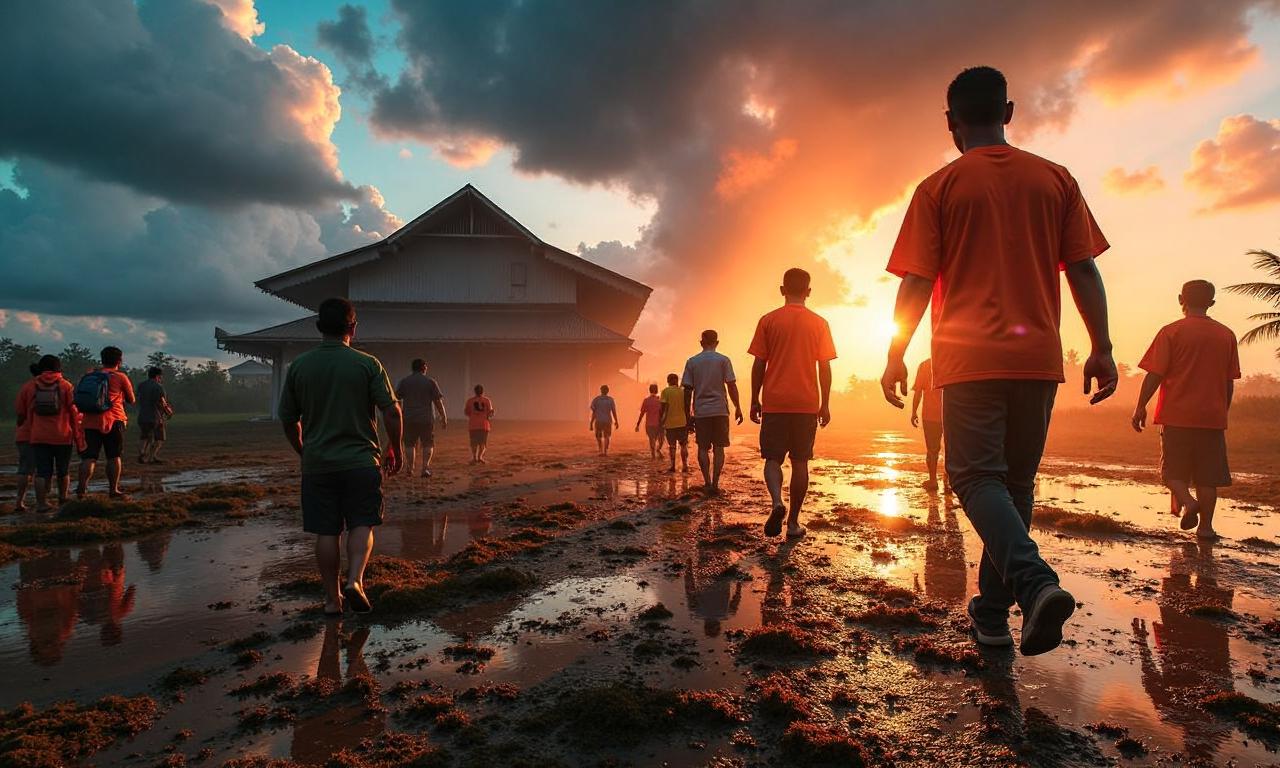
Aceh Utara: Tiga Menteri Kunjungi Korban Banjir di Desa Lancok Jumat (9/1/2026), tiga menteri melakukan kunjungan ke korban banjir di Desa Lancok, Kecamatan Syamtalira Bayu, Kabupaten Aceh Utara. Mereka adalah Menteri Koordinator Bidang Pangan Zulkifli Hasan, Menteri Kelautan dan Perikanan Sakti Wahyu Trenggono, serta Menteri Perdagangan RI Budi Santoso. Kebijakan yang diumumkan meliputi perbaikan kerusakan 10.000 hektar tambak akibat banjir dan rehabilitasi pasar yang rusak. Kerusakan Akibat Banjir Bupati Aceh Utara Ismail A Jalil dalam laporannya menyebutkan bahwa sekitar 10.684 hektar tambak dan 11.929 hektar sawah petani rusak akibat banjir. Sawah dan tambak tersebut kini penuh lumpur dan tidak bisa digunakan lagi. Kerusakan juga mengenai empat unit balai benih nelayan dan ikan, 126 rumah nelayan, 16 pasar ikan, 28 tunel garam, serta 45 kapal motor. “Butuh pemulihan sawah dan tambak segera, karena ini sumber pendapatan masyarakat kami,” kata Bupati Aceh Utara Ismail A Jalil, yang akrab disapa Ayahwa. Percepatan Pemulihan Pesat pascabanjir, Ayahwa mengapresiasi kunjungan Menko Pangan Zulkifli Hasan yang kedua kalinya ke Aceh Utara. “Kami butuh dukungan terus Pak. Karena ini daya rusaknya besar, maka kami terus bersinergi dengan pemerintah pusat untuk mempercepat pemulihan di Aceh Utara,” terangnya. Respons Menko Pangan Menko Pangan Zulkifli Hasan menyebutkan bahwa Menteri Kelautan dan Perikanan siap merevitalisasi tambak seluas 10.000 hektar lebih. “Menteri KKP sudah meyanggupi revitalisasi tambak yang rusak 10.000 hektar lebih itu. Segera juga diberikan 400 jukung (perahu kecil), kita sanggupi,” ujarnya. Sementara itu, untuk Menteri Perdagangan RI, Zulhas menyatakan bahwa urusan rehabilitasi pasar akan segera ditangani. “Menteri Perdagangan urusan rehab pasar juga akan segera,” katanya. “Menteri Perdagangan urusan rehab pasar juga akan segera,” kata Zulhas. Dalam kunjungan tersebut, Zulhas juga memberikan santunan sebesar Rp 100 juta untuk petani tambak di Desa Lancok sebagai stimulus ekonomi awal pascabanjir.

Essential Travel Tips for First-Time Adventurers: Start Your Journey Smart
Traveling for the first time is an exhilarating experience that opens the door to new cultures, unforgettable memories, and personal growth. Whether you’re planning a solo trip, a family adventure, or a getaway with friends, the journey itself is as important as the destination. But with so many unknowns, it’s easy to feel overwhelmed. That’s why having the right travel tips for first time travelers can make all the difference between a smooth, enjoyable trip and one filled with stress and surprises. From choosing your first destination to navigating local customs, there are essential steps you can take to ensure your adventure starts on the right foot. By following these travel tips for first time travelers, you’ll not only save time and money but also create a foundation for a successful and memorable journey. Plan Your Trip with Care and Precision Before setting off on your first adventure, it’s crucial to lay a solid groundwork. A well-organized trip can prevent common pitfalls and help you feel more confident as a new traveler. Start by choosing a destination that aligns with your interests, budget, and travel experience. If you’re unsure where to go, consider researching popular spots for first-time travelers—places that offer a mix of cultural experiences, ease of navigation, and friendly locals. For example, cities like Lisbon, Kyoto, or Barcelona are often recommended for their accessibility and rich attractions. Once you’ve decided on a destination, create a detailed itinerary that balances flexibility with structure. While spontaneity is part of the fun, having a general plan can help you avoid last-minute stress. Include key highlights such as must-see landmarks, local festivals, or nearby natural attractions. Use online travel guides, review sites, and social media to gather insights and recommendations. Don’t forget to check travel tips for first time travelers about the best times to visit. For instance, if you’re planning a beach vacation, avoid the peak summer months when crowds and prices are at their highest. Researching your destination is also about understanding the logistics. Find out about transportation options, accommodation availability, and local transportation costs. If you’re traveling to a remote area, consider booking accommodations in advance. Additionally, familiarize yourself with the visa requirements, currency used, and language spoken. This preparation will make your trip smoother and help you make informed decisions. Pack Smart: Essentials for a Seamless Journey Packing is one of the most overlooked aspects of travel, yet it plays a vital role in your overall experience. As a first-time traveler, you might be tempted to overpack, but a thoughtful approach can save you time, space, and money. Start by listing the basics: a passport, travel documents, comfortable clothing, and essential toiletries. However, don’t stop there. Include items that are specific to your destination and the activities you plan to do. For example, if you’re heading to a tropical destination, pack lightweight clothing, a reusable water bottle, and sunscreen. If you’re traveling to a colder climate, bring layers, a scarf, and waterproof gear. It’s also wise to pack versatile clothing that can be mixed and matched. This not only reduces the number of items you need to carry but also makes it easier to adapt to different weather conditions. A smart packing strategy can prevent you from feeling weighed down or missing crucial items. Don’t forget to organize your luggage in a way that makes it easy to access. Use packing cubes or labeled bags to separate clothes, electronics, and documents. This will help you save time when unpacking and ensure you don’t lose anything important. Additionally, consider the weight limit of your airline or train service. Packing light can also reduce the risk of extra baggage fees and make your trip more comfortable. Stay Safe and Healthy: Prioritize Your Well-Being Safety should always be a top priority, especially for first-time travelers who may be unfamiliar with the destination’s environment. Research any safety concerns related to your location, such as local crime rates, traffic conditions, or health risks. Keep your valuables secure by using a travel-friendly backpack with a zippered compartment and a hidden pocket for passports, cash, and credit cards. Avoid carrying large sums of money in your wallet and instead use a debit card or a travel-friendly credit card with a low limit. Health is another critical aspect of your trip. Pack necessary medications such as pain relievers, antihistamines, or any prescription drugs you rely on. If you’re traveling to a region with specific health advisories, check for vaccinations or malaria pills. Additionally, have a first-aid kit ready for minor injuries or illnesses. Stay hydrated, especially in hot climates, and pack a reusable bottle to minimize plastic waste. It’s also important to respect local customs and practices. Learn a few basic phrases in the local language to make interactions easier and more welcoming. Dress appropriately for cultural norms—some places may require modest attire in public spaces or religious sites. Being aware of these details can help you avoid misunderstandings and ensure a respectful experience. Budget Wisely: Manage Your Finances with Confidence One of the biggest challenges for first-time travelers is managing their budget effectively. While it’s tempting to splurge on luxury experiences, planning your finances in advance can help you avoid overspending and stay within your limits. Start by tracking your expenses to understand where your money is going. Use a spreadsheet, budgeting app, or even a simple notebook to categorize costs like accommodation, transportation, meals, and activities. Set a realistic budget based on your income and savings. Allocate funds for both essential needs and discretionary spending. For example, if you’re traveling for a week, divide your budget into daily allowances for food, transport, and entertainment. Look for cost-saving opportunities such as booking flights in advance, using public transportation instead of taxis, or opting for budget-friendly accommodations like hostels or vacation rentals. Don’t forget to include a buffer for unexpected costs. Emergencies, such as a last-minute activity change or an unexpected expense, can add up quickly. Keep some cash on hand for small purchases or
Top 5
Travel can be one of life’s most thrilling experiences, offering opportunities to explore new places, meet people, and create unforgettable memories. However, for many, the excitement of travel is often accompanied by stress. Whether it’s last-minute changes, packed schedules, or unexpected challenges, travel stress can dampen the joy of a journey. But the good news is that there are strategies for avoiding travel stress that can help travelers navigate their trips with confidence and ease. From meticulous planning to embracing adaptability, these techniques not only reduce anxiety but also enhance the overall travel experience. Plan Ahead to Minimize Last-Minute Chaos One of the most effective strategies for avoiding travel stress is to plan ahead. The more prepared you are, the less room there is for surprises that can throw off your routine. Start by setting clear goals for your trip—whether it’s a relaxing getaway or a busy adventure—so you can tailor your preparations accordingly. For example, if you’re traveling to a destination with strict visa requirements, researching the process well in advance ensures you avoid delays at the airport. Another key aspect of planning is booking accommodations and transportation early. By securing your hotel, flight, or rental car well before departure, you reduce the risk of last-minute price hikes or limited availability. This is especially important during peak travel seasons, such as holidays or summer months, when demand is high and options are fewer. Moreover, packing in advance can prevent the panic of scrambling to fit essentials into a suitcase at the last minute. Create a checklist of items you’ll need, such as passports, medications, and travel insurance, to ensure you’re prepared for any situation. Stay Organized with Effective Packing and Checklists Once you’ve planned your trip, the next step is to stay organized. Travel stress often stems from disorganization, so having a structured approach can make a world of difference. Begin by prioritizing your packing list based on the destination and weather. For instance, if you’re heading to a tropical beach, include items like swimwear, sunscreen, and a reusable water bottle. Conversely, if you’re traveling to a colder climate, ensure you pack warm clothing and waterproof gear. To further streamline the process, use digital tools like apps or cloud storage to keep your travel documents in one place. This way, you can access them instantly when needed, whether it’s for a passport check or a boarding pass scan. Additionally, label your luggage with your name and contact information to prevent mix-ups at the airport. Taking the time to organize your belongings before departure also helps you save time during the trip, allowing you to focus on enjoying the experience rather than searching for lost items. A Well-Structured Packing Strategy A well-structured packing strategy can eliminate the frustration of overpacking or underpacking. Start by categorizing your items into groups such as clothing, toiletries, electronics, and travel accessories. This method ensures you don’t neglect anything essential. For example, a compact toiletry bag can save space while still containing all your necessities. Similarly, using compression bags or rolling luggage helps maximize storage and makes your packing more efficient. Italics for emphasis can be used in sections where you highlight specific techniques. For instance, italicizing phrases like “Don’t forget your travel insurance documents” or “Always double-check your luggage” can draw attention to critical steps. Another bold technique is to bold the main headings, such as “Organize Your Belongings” or “Check Documents Before Departure”, to make the content more scannable for readers. Checklists for Last-Minute Emergency Situations Creating checklists for last-minute tasks is a bold strategy that can prevent last-minute stress. For example, a checklist for boarding might include verifying your flight time, charging your electronics, and confirming your seat assignment. Similarly, a checklist for arriving at your destination can ensure you have all your documents and items ready. This practice not only helps you stay on track but also reduces the likelihood of overlooking important details. Italics can also be used to emphasize specific tips, such as “Always carry a copy of your passport in case of loss” or “Have a backup plan for your transportation”. These small steps can make a significant difference in managing stress during travel. By bolding the main headings and italicizing key phrases, you create a visually engaging structure that guides readers through practical strategies for avoiding travel stress. Practice Mindfulness and Relaxation Techniques Travel stress can also be mitigated through mindfulness and relaxation techniques. These strategies for avoiding travel stress help you stay calm and focused, even in the face of unexpected challenges. Before departure, take time to relax and reflect on your expectations. Visualizing your trip can reduce anxiety and create a sense of control over your journey. During the trip, incorporate breathing exercises or meditation into your routine. For example, spending a few minutes in the morning doing a deep breathing exercise can help you start the day with calmness. Similarly, mindfulness practices like focusing on the present moment can prevent you from overthinking minor inconveniences, such as a delayed flight or a lost item. The Role of Relaxation in Reducing Stress Relaxation techniques are particularly useful when dealing with unexpected changes during travel. If you’re stressed by a last-minute itinerary adjustment, try practicing a mindfulness exercise to shift your focus from worry to calm. For instance, using a guided meditation app can help you relax in just a few minutes, even while waiting in an airport. Italics can highlight the benefits of these techniques, such as “Mindfulness can improve your ability to handle unexpected situations” or “Relaxation reduces the impact of travel fatigue”. These bold and italic elements make the content more engaging and easier to navigate. By emphasizing the importance of mindfulness, you can guide readers toward a more stress-free travel experience. Embrace Flexibility and Adaptability While planning is essential, travel stress can also arise from being too rigid. Embracing flexibility and adaptability is a bold strategy that allows you to adjust to unexpected changes without feeling overwhelmed. For example, if a
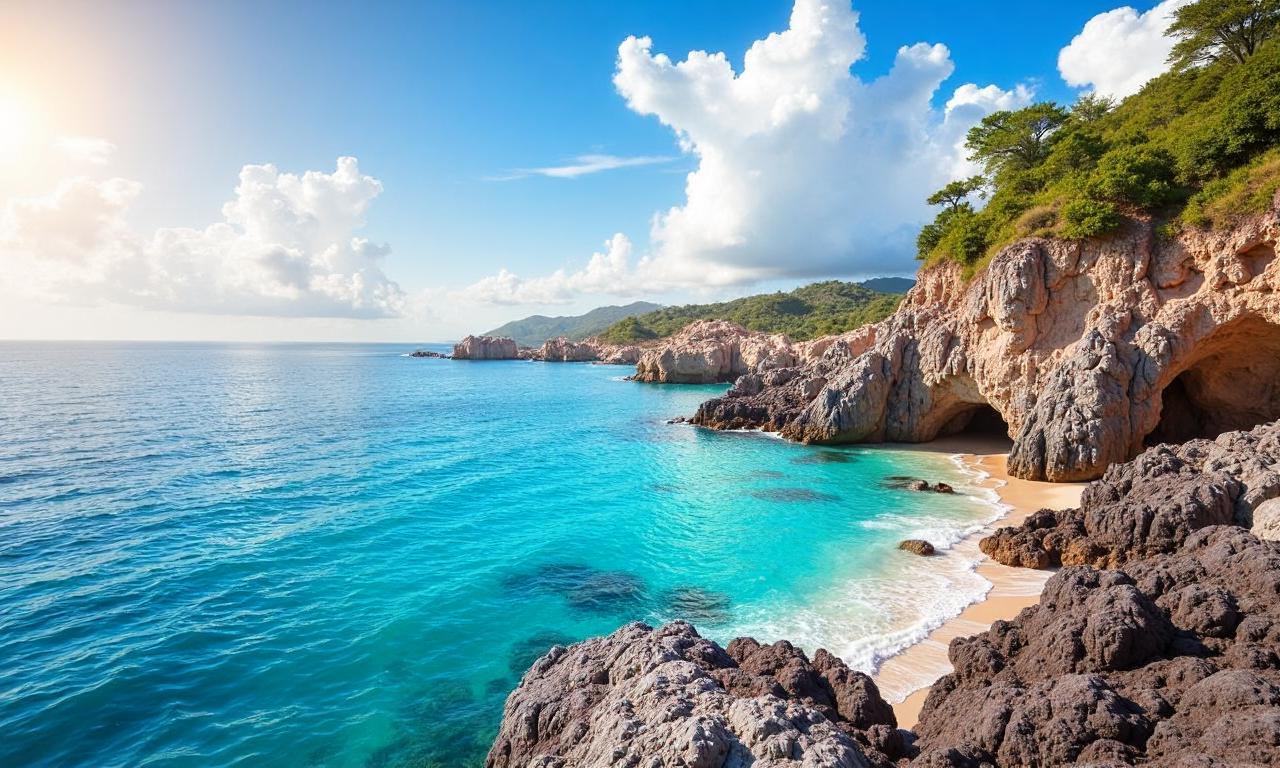
Top 10 Best Travel Destinations for Photography Enthusiasts to Capture Stunning
Photography is more than just capturing images—it’s about discovering the world through a lens, finding beauty in every corner, and preserving moments that transcend time. For photography enthusiasts, traveling to the right travel destination for photography enthusiasts can transform a simple trip into an unforgettable visual journey. Whether you’re drawn to dramatic landscapes, cultural landmarks, or urban vibrancy, there are countless places on Earth where light, color, and composition come together to create stunning photographs. This article explores the top 10 best travel destinations for photography enthusiasts, highlighting why each location is a must-visit for capturing breathtaking visuals. From the snow-capped peaks of Patagonia to the bustling streets of Tokyo, these destinations offer unique opportunities to hone your craft and inspire your creativity. Natural Wonders That Inspire Visual Storytelling Nature has an unparalleled ability to captivate the imagination, and for photographers, it’s a playground of endless possibilities. Travel destinations for photography enthusiasts that feature natural wonders often provide the most dramatic and photogenic backdrops. These locations are not only visually stunning but also rich in diversity, allowing for a wide range of photographic styles and techniques. Patagonia: A Photographer’s Paradise Patagonia, spanning parts of Argentina and Chile, is a travel destination for photography enthusiasts that deserves a spot on every list. The region is famous for its vast landscapes—from the snowy Andes mountains to the untamed glaciers and towering peaks. The sheer scale of these natural formations offers endless opportunities for large-scale compositions, especially during the golden hour, when the light bathes the terrain in warm hues. The jagged outlines of the Torres del Paine mountains create a perfect frame for wide-angle shots, while the mirror-like surfaces of the glacial lakes reflect the sky and clouds with eerie clarity. For those interested in wildlife photography, the region is also home to unique species like the Andean condor and flocks of guanacos, which add life and movement to the scenery. Iceland: Land of Fire and Ice Iceland, often dubbed the land of fire and ice, is a travel destination for photography enthusiasts that blends geothermal activity with frozen landscapes. The country’s volcanic formations, steaming geysers, and glaciers offer a surreal and ever-changing environment. Photographers will find unmatched opportunities to capture contrasting textures—the smoke rising from hot springs against the crystalline ice of Vatnajökull, or the magnificent Northern Lights dancing across the black sand beaches. The unique light conditions in Iceland, especially during the long summer days when the sun barely sets, make it ideal for landscape and night photography. The <strong>fiords</strong> and <strong>waterfalls</strong> scattered across the island, such as Gullfoss and Seljalandsfoss, provide <strong>dynamic subjects</strong> for <strong>composition and motion blur</strong>. Whether you’re capturing the <strong>stillness of a volcanic crater</strong> or the <strong>chaos of a lava field</strong>, Iceland’s <strong>natural contrasts</strong> will challenge and reward your artistic vision. Cultural and Historical Spots with Timeless Aesthetics Cultural landmarks and historical sites are not just places to visit—they are visual masterpieces that tell stories through architecture, art, and tradition. For photography enthusiasts, these travel destinations for photography enthusiasts offer a chance to document the human element of travel, blending heritage with modern life. Morocco: A Fusion of Ancient and Contemporary Morocco is a travel destination for photography enthusiasts that seamlessly merges ancient architecture with modern urban vibes. The colorful medinas of cities like Marrakech and Fez, with their labyrinthine streets and vibrant markets, are a feast for the eyes. The <strong>faded blue walls</strong> of the <strong>Royal Palace</strong> in Marrakech and the <strong>white-washed houses</strong> of Chefchaouen create a <strong>stunning contrast</strong> against the <strong>sandy landscapes</strong>. For <strong>street photography</strong>, the <strong>chaotic energy</strong> of the souks and <strong>traditional clothing</strong> provide <strong>rich subject matter</strong>. Additionally, the <strong>Arabic calligraphy</strong> and <strong>Moorish designs</strong> found in mosques and palaces offer <strong>opportunities for close-up shots</strong> and <strong>textural details</strong>. Japan: Capturing Tradition and Modernity Japan is another travel destination for photography enthusiasts that balances ancient traditions with contemporary innovation. From serene temples to sleek skyscrapers, the country is a visual paradox that appeals to both architectural and cultural photographers. The <strong>harmonious blend of nature and urban life</strong> is evident in places like Kyoto and Tokyo, where <strong>traditional wooden structures</strong> stand beside <strong>steel-and-glass buildings</strong>. The <strong>seasonal changes</strong> in Japan, particularly during <strong>cherry blossom season</strong> and <strong>fall foliage</strong>, make it a <strong>dream destination</strong> for <strong>landscape and portrait photography</strong>. The <strong>cleanliness of the streets</strong> and <strong>polished surfaces</strong> also allow for <strong>perfect reflections</strong> in <strong>rain puddles</strong> and <strong>shiny surfaces</strong>. Urban Landscapes That Offer Diverse Photographic Opportunities Cities are a travel destination for photography enthusiasts that come alive with light, motion, and energy. Whether you’re drawn to the neon glow of skyscrapers or the chaotic flow of street life, urban environments provide a dynamic canvas for creativity. Paris: The City of Light and Shadows Paris is often referred to as the city of light, but for photographers, it’s also a city of contrasts. The iconic landmarks like the Eiffel Tower and Notre-Dame Cathedral are must-photograph spots, but the hidden corners of the city offer even more unique opportunities. The <strong>Parisian streets</strong> at <strong>different times of day</strong> reveal <strong>unseen beauty</strong>—the <strong>soft glow of street lamps</strong> in the <strong>evening hours</strong> casts <strong>long shadows</strong> that add <strong>dramatic depth</strong> to shots. The <strong>architecture of the 19th-century bridges</strong> and <strong>the Art Deco designs</strong> of the <strong>Passage des Panoramas</strong> are <strong>perfect subjects</strong> for <strong>urban exploration</strong>. The <strong>cultural events</strong> like <strong>fashion shows</strong> and <strong>art exhibitions</strong> also create <strong>vibrant scenes</strong> that can be <strong>captured in motion</strong>. Tokyo: A Metropolis of Contrasts Tokyo, the fastest-growing city in the world, is a travel destination for photography enthusiasts that offers a unique blend of old and new. The sleek modernity of skyscrapers like the Tokyo Skytree contrasts sharply with the traditional wooden temples and street markets. The <strong>neon lights</strong> of Shibuya and <strong>Shinjuku</strong> create a <strong>futuristic ambiance</strong>, while the <strong>quiet serenity</strong> of <strong>Asakusa</strong> and <strong>Meiji Shrine</strong> provide <strong>peaceful settings</strong> for <strong>portrait and still-life photography</strong>. The <strong>urban landscapes</strong> of Tokyo, especially <strong>during festivals</strong> like <strong>Sakura viewing</strong> and <strong>Obon</strong>, are <strong>spectacular</strong> for capturing <strong>cultural traditions</strong> and <strong>human interactions</strong>. The <strong>cameras of tourists</strong>
Must-Visit Foodie Travel Destinations: Top Eats Around the Globe
Food is more than just sustenance—it’s a language, a culture, and a way to connect with the world. For must-visit travel destinations for foodies, the thrill of discovering new flavors, techniques, and culinary traditions can transform a simple trip into an unforgettable adventure. Whether you’re a seasoned gastronome or a curious traveler eager to explore, these destinations offer more than just meals; they offer immersive experiences that celebrate the art of cooking and eating. From bustling street markets to Michelin-starred restaurants, the globe is brimming with places that will make your taste buds dance. Let’s dive into some of the most exciting must-visit travel destinations for foodies and uncover the culinary gems that await. Italy: A Paradise for Food Lovers Italy has long been a must-visit travel destination for foodies, and for good reason. This country is a culinary haven, where every region boasts its own unique flavors, ingredients, and traditions. From the rich, creamy pasta dishes of the north to the fresh, sun-kissed seafood of the south, Italian cuisine is a testament to the harmony between food and culture. Rome: Where History Meets Flavor Rome is not just a city of ancient ruins and art—it’s also a must-visit travel destination for foodies. The capital’s food scene is deeply rooted in tradition, with dishes that have been passed down through generations. Start your journey with classic Roman street food, such as supplì (fried rice balls) and casseata (a sweet, creamy dessert made of bread and honey). For a more refined experience, head to Trattoria Da Enzo, a family-run restaurant in Trastevere that serves authentic Italian pasta like carbonara and cacio e pepe. The aroma of garlic, olive oil, and fresh herbs will transport you to the heart of the country’s culinary soul. Florence: A Feast for the Senses Florence, known as the cradle of the Renaissance, is also a must-visit travel destination for foodies who appreciate the elegance of Italian gastronomy. The city’s food culture is centered around simplicity, quality, and the joy of savoring every bite. Don’t miss the opportunity to try bistecca alla Fiorentina, a thick-cut T-bone steak grilled to perfection and served with a side of fagioli all’uccelletto (traditional bean stew). Visit the Mercato Centrale for a vibrant market experience, where you can sample everything from artisanal cheeses to freshly baked bread and local wines. The blend of historical charm and culinary excellence makes Florence a top choice for food enthusiasts. Naples: The Birthplace of Pizza Naples is where pizza was born, and it remains a must-visit travel destination for foodies who want to trace the origins of this global favorite. The city’s pizzerias, like L'Antica Pizzeria da Nonno, are not just places to eat—they’re cultural institutions. Here, you can taste the original Neapolitan pizza, made with San Marzano tomatoes, fresh mozzarella, and hand-stretched dough. For a more authentic experience, try Street Pizza Napoletana, a popular snack made with thin, crispy crust and toppings like prosciutto and ricotta. Don’t forget to pair your meal with local wines such as Falanghina or Aglianico, which complement the flavors of the region. Naples is a must-visit travel destination for foodies who want to savor history on a plate. Sicily: A Mediterranean Culinary Adventure Sicily, the island at the heart of the Mediterranean, offers a must-visit travel destination for foodies who crave bold, vibrant flavors. The island’s cuisine is a fusion of Italian, Arab, and Spanish influences, creating a unique and diverse culinary landscape. Try arancini, deep-fried rice balls stuffed with ingredients like mozzarella, peas, or shrimp. For a more sophisticated meal, visit Massimo’s Restaurant in Palermo, where traditional dishes like caponata (a sweet and sour eggplant salad) and pasta alla Norma are prepared with care and authenticity. Don’t miss the chance to explore the island’s local markets, such as the Mercato di Ballarò, where you can find fresh seafood, exotic spices, and artisanal products. Sicily’s rich food culture ensures that every bite is a story. Japan: A Culinary Journey Through Tradition and Innovation Japan is a must-visit travel destination for foodies who appreciate the balance between tradition and modernity. From the serene experience of sushi-making classes to the high-tech world of omakase dining, Japan offers a unique blend of culinary artistry and cultural depth. Tokyo: The Ultimate Food Capital Tokyo is a must-visit travel destination for foodies who want to explore the pinnacle of Japanese cuisine. The city is a foodie’s dream, with everything from Michelin-starred sushi bars to hidden ramen shops tucked away in narrow alleys. Visit Sushi Saito, a legendary restaurant known for its delicate, handcrafted sushi, or head to Ichiran Ramen, where you can enjoy a steaming bowl of authentic tonkatsu (deep-fried pork cutlet) or shoyu ramen (soy sauce-based noodles). The Tsukiji Fish Market is a must-see for anyone passionate about fresh seafood, offering everything from fugu (blowfish) to maguro (tuna). Tokyo’s food scene is a masterclass in precision, flavor, and innovation. Osaka: The City of Cuisine Osaka, often called the foodie capital of Japan, is a must-visit travel destination for foodies who want to dive into a world of bold, indulgent flavors. The city is famous for its street food culture, with dotonbori being the epicenter of this culinary energy. Try kushikatsu, skewers of grilled meat and vegetables dipped in takoyaki (octopus-filled balls), or osaka-style okonomiyaki, a savory pancake made with cabbage, meat, and seafood. Don’t forget to visit Namba Market, where you can sample fresh seafood and local specialties like shabu-shabu (hot pot). Osaka’s vibrant food scene is a testament to the city’s love for gastronomy. Kyoto: A Taste of Tradition Kyoto, the cultural heart of Japan, is a must-visit travel destination for foodies who want to experience the elegance of traditional Japanese cooking. The city’s kaiseki (multi-course meals) are a highlight, offering a carefully curated experience of flavor, texture, and presentation. Visit Nishiki Market to sample fresh sushi, matcha (powdered green tea), and yuba (tofu skin). For a more refined experience, try kaiseki at Kikunoi, a renowned restaurant that emphasizes seasonal ingredients and