The Royal Purple: Why Shade Has Captured British Gardeners’ Hearts
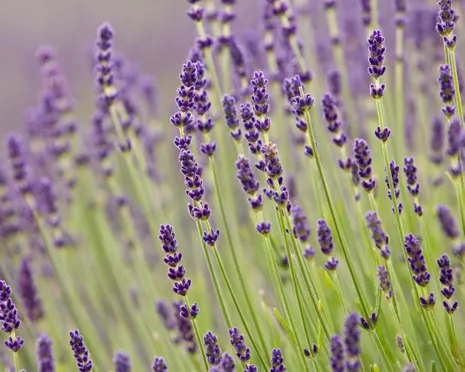
Wanderstayfinder.com – Should you find yourself wandering through a flourishing garden this summer, looking past the parched and sun-bleached lawns, you will likely encounter one dominant hue above all others. Purple has emerged as the defining horticultural color of the season, with species like catmint, salvias, and lavender enjoying particular popularity. According to comprehensive research conducted by the Royal Horticultural Society, this shade represents what Britons most desire to see within their outdoor spaces.
Wisley’s Color Census
The evidence for purple’s dominance comes from a substantial experiment conducted at RHS Garden Wisley’s Hilltop location. Researchers surveyed more than 11,000 visitors, asking them to identify their preferred floral shades. The results revealed that purple flower hues secured the strongest preference at 26.67%, narrowly edging out red which captured 25.24% of votes. This purple phenomenon has caught trend observers off guard, representing a significant departure from the more subdued movements of recent years.
Grey tones have dominated both home interiors and garden design throughout the past several years, making this colorful resurgence particularly noteworthy. The shift suggests that gardeners are ready to embrace more vibrant palettes in their outdoor environments.
Designer Perspectives on the Purple Movement
Tom Massey, a London-based garden designer who has received numerous awards for his work, reports that his clients are specifically requesting bright colors, with purple leading the charge. He explained the broader design philosophy behind this change: “We’ve moved away from the era of large expanses of decking, paving and lawn towards richer, more naturalistic planting inspired by meadows and natural plant communities.”
Laura Carey, who co-owns Carey garden designs with her husband, Joe, has found that purple is the most popular colour with her clients, too. She said: “Purple is a favourite across the board with all of our clients. There are so many purple flowering plants to choose from, including national favourites like lavender, alliums and geraniums.”
Massey further elaborated on purple’s enduring appeal: “Purple has always been a hugely important colour in gardens because it combines beautifully with greens, silvers and the buff tones of ornamental grasses. It also attracts pollinators and tends to have a calming quality. Plants like salvias, nepetas, alliums and lavender remain incredibly popular for exactly those reasons.”
Emotional Connections and Public Spaces
The color’s popularity may stem from the feelings it generates within people. Additional research indicates that purples and blues create sensations of calm and relaxation, while yellows and oranges tend to bring joy. Massey believes this emotional connection drives contemporary preferences: “I think people are becoming much more confident with colour generally.”
This confidence is visible in major public landscape projects that have achieved tremendous success. The Queen Elizabeth Olympic Park in London, sections of New York’s High Line, and seasonal displays at RHS gardens such as Wisley all demonstrate how bold color combinations create planting schemes that are simultaneously aesthetically pleasing and ecologically vibrant.
Scientific Validation
These observations were formalized in the study titled “Flower Power: How favourite flower colours shape how we feel,” published in Acta Psychologica. Dr. Ashby Sachs, a wellbeing fellow at the RHS, emphasized the importance of this research: “Colour is a key consideration when it comes to garden design, but little is known about how it interacts with our sense of wellbeing. That different shades of colour can elicit an anticipated emotional response in people is incredibly useful when it comes to designing spaces for specific purposes and people such as in schools and hospitals.”
As gardeners continue to embrace purple’s calming presence, the trend appears to reflect a broader cultural shift toward spaces that nurture both visual pleasure and emotional wellbeing through thoughtful color selection and naturalistic planting approaches.
Related Reading
Frequently Asked Questions
What is Purple reign?
Purple reign is the main topic of this guide. The article explains the context, practical details, and next steps readers should understand.
Why does Purple reign matter?
Purple reign matters because readers are looking for a useful answer, not just a short summary. Good content should match search intent and help them decide what to do next.