Australia Faces Unprecedented Wildlife Crisis as Bird Flu Spreads Rapidly
Mass Mortality Event Suspected Along South Australian Coastline
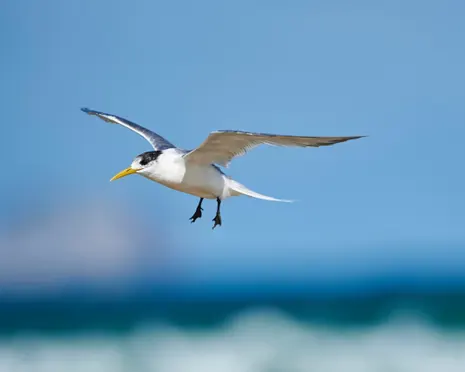
Wanderstayfinder.com – Wildlife experts are closely monitoring what may represent Australia’s inaugural large-scale die-off linked to the H5N1 avian influenza strain. This alarming development occurs merely six weeks following the virus’s initial arrival on Australian shores. Helicopter monitoring teams identified forty-nine deceased greater crested terns resting upon Baudin Rocks, situated close to the coastal town of Robe. Additionally, thirty-five more birds of the same species displayed signs of illness in the same area. According to South Australia’s principal veterinary officer, Skye Freuan, these findings likely constitute the nation’s first substantial mortality episode connected to this particular pathogen.
Further investigations within South Australia uncovered three additional potential positive results among greater crested terns. Notably, one affected bird was located inland at Monarto, indicating the infection is beginning to extend beyond coastal regions. This inland location holds particular significance because it contains numerous poultry operations. Authorities also identified three silver gulls as suspected positive cases, bringing the total count of affected silver gulls to four when including one previously confirmed by the CSIRO earlier on Saturday.
“Sadly, we’re at the beginning of a long and challenging battle and birds and wildlife are going to need all the help they can get,” said Kate Millar, chief executive of BirdLife Australia.
Millar characterized the situation as a substantial escalation in Australia’s bird flu crisis, describing it as a particularly somber milestone for conservation efforts. The disease has now reached every major Australian state, with Victoria confirming its initial cases this week. A greater crested tern discovered in Portland represented Victoria’s first recorded infection, joining Western Australia, South Australia, New South Wales, and Queensland in reporting positive findings.
Expert Concerns Mount as Virus Demonstrates Rapid Expansion
Jack Gough, leading the Invasive Species Council, observed that the pathogen appears to be gaining momentum. He drew parallels with South American experiences, where initial detections were followed by swift population increases and widespread mortality among wildlife populations. Gough emphasized that despite being in early stages, the potential first mass mortality occurring so shortly after the virus was declared non-eradicable demonstrates remarkable speed of escalation.
“They’re very common, and primarily they are coastal, but they do come inland and can turn up in Lake Eyre following floods,” said Dooley.
Freuan acknowledged that while containment measures are limited, ongoing surveillance efforts continue effectively. The total case count surged by twenty individuals within just several days, reaching fifty-three confirmed or suspected infections nationwide. Australia joined the final continent to experience this devastating pathogen, which has claimed millions of bird and mammal lives globally.
Victorian officials reported that samples from five crested terns were forwarded to the CSIRO facility in Geelong for analysis, with initial results pointing toward additional positive findings. Meanwhile, five confirmed avian cases at Seal Bay on Kangaroo Island have heightened worries regarding local Australian sea lion populations. This endangered marine mammal species faces serious threats, with tens of thousands of seals worldwide succumbing to the illness.
Sean Dooley, BirdLife Australia’s national affairs adviser, expressed particular concern about silver gull infections. He explained that these birds scavenge from deceased or dying animals, making them efficient carriers capable of transmitting the virus. Their habit of collecting debris from water bodies—including lakes and flood zones—further increases exposure risk, as these environments serve as breeding grounds for the pathogen.
“There is such a large population of silver gulls, and they move into other habitats. They could be the vector that takes bird flu inland,” says Dooley.
Silver gulls represent the second native Australian species to contract the disease, following numerous greater crested tern detections. Their adaptability to urban environments and tendency to enter diverse habitats positions them as potential bridges for inland transmission. While Australia’s unique avian population presents unknown susceptibility levels, experts caution that native birds may face similar challenges to those observed internationally. Water-associated bird species have consistently experienced the most severe impacts globally, including sandwich terns, black-headed gulls, and northern gannets across European regions.
Related Reading
Frequently Asked Questions
What is First Australian mass mortality event suspected?
First Australian mass mortality event suspected is the main topic of this guide. The article explains the context, practical details, and next steps readers should understand.
Why does First Australian mass mortality event suspected matter?
First Australian mass mortality event suspected matters because readers are looking for a useful answer, not just a short summary. Good content should match search intent and help them decide what to do next.