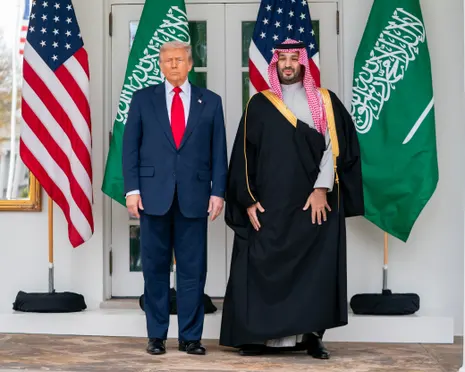
US signs landmark nuclear deal: Saudi Arabia Wanderstayfinder.com – The United States has officially signed a landmark nuclear deal with Saudi Arabia
US Signs Landmark Nuclear Deal with Saudi Arabia
Wanderstayfinder.com – The United States has officially signed a landmark nuclear deal with Saudi Arabia, opening the door for the kingdom to potentially enrich uranium domestically. According to a Wednesday statement from the US Department of Energy, Energy Secretary Chris Wright and Saudi counterpart Prince Abdulaziz bin Salman formalized both a “peaceful nuclear cooperation agreement” and a “bilateral safeguards agreement.” While comprehensive details remain undisclosed, the timing has sparked debate given that the US is currently engaged in conflict with Iran partly to prevent Tehran from developing domestic uranium enrichment capabilities.
Years in the Making
This civil nuclear agreement with Saudi Arabia has been under negotiation for years, spanning both Donald Trump’s first term and Joe Biden’s presidency. Previous attempts failed largely due to concerns from nonproliferation organizations warning that such a deal could provide Riyadh with a pathway to develop nuclear weapons. The agreement will now undergo congressional review, where some lawmakers may oppose it over perceived gaps in monitoring safeguards designed to limit Saudi uranium enrichment.
Saudi Arabia has previously indicated it would seek nuclear weapons if Iran acquired them—an intention Tehran has consistently denied. However, extended negotiations across multiple administrations revealed that Washington also worried Riyadh would turn to other nations for nuclear technology if the US failed to deliver. Saudi officials have long maintained that without a US partnership, they might collaborate with China or Russia, both of which maintain different proliferation standards.
Strategic and Economic Benefits
In a congressional report released earlier this year, the US administration advocated for backing the US-Saudi nuclear deal, emphasizing the need to “prevent strategic competition from seizing an opportunity to undermine United States national security interests for decades to come.” The report further argued that expanding nuclear cooperation would help “re-establish our leadership in the global civilian nuclear energy market and reap the benefits of expanded influence in foreign countries hosting our reactors.” According to the US energy department, the Wednesday agreement is projected to boost American nuclear technology exports, generate “high-paying” domestic jobs, and “strengthen America’s energy and national security posture.”
“These agreements reflect our two nations’ shared commitment to strengthening US-Saudi commercial relations, delivering prosperity at home and security to our allies abroad,” Wright stated. “Rest assured, these agreements uphold the highest standards of nuclear safety and nonproliferation, while relying on the world’s best nuclear technology and scientists, designed right here in the United States.”
Notably, the agreement may not incorporate the enhanced monitoring by the International Atomic Energy Agency (IAEA) included in the so-called additional protocol that governed Iran’s 2015 nuclear deal. Dan Sumner, chief executive of Westinghouse Electric Company—an American nuclear reactor firm anticipated to support Saudi Arabia’s nuclear ambitions—told CBS: “The US government’s announcement to launch a civil nuclear cooperation agreement with Saudi Arabia is a landmark step that strengthens energy security, expands opportunities for US industry and workers, and drives significant long-term economic growth and investment benefits for both countries.”
Meanwhile, defense secretary Pete Hegseth appeared before the US Senate a day earlier to request additional funding from the Senate appropriations committee as Washington continues its campaign to prevent Iran from developing uranium enrichment capabilities and obtaining a nuclear weapon.
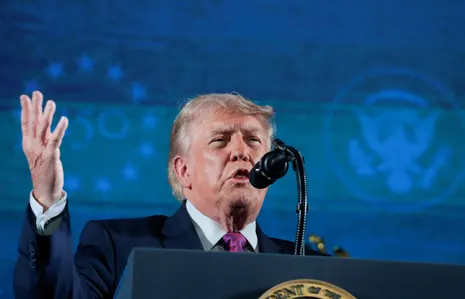
Before the announcement, Rosemary Kelanic, head of the Middle East programme at Defense Priorities, criticized the move on social media: “Giving Saudi Arabia uranium enrichment technology is a terrible idea on many counts. But it’s especially idiotic to do it *in the middle of a war over Iran’s nuclear programme*.” She characterized the decision as reckless and contrary to US national interests, noting that “Saudi enrichment would put immense pressure on Iran to get the bomb.” Kelanic questioned whether Trump was “TRYING to provoke Iran into weaponising.”
Other observers interpreted the deal as evidence that the US views Saudi Arabia as a mature nation seeking to diversify its energy portfolio beyond oil. In related developments, Saudi Arabia and nuclear-armed Pakistan signed a mutual defence pact following Israel’s attack on Qatar targeting Hamas officials. Pakistan’s defence minister subsequently declared that his nation’s nuclear programme “will be made available” to Saudi Arabia if necessary—a message widely seen as directed at Israel, the Middle East’s sole nuclear-armed state.
Related SEO Topics
Frequently Asked Questions
What is US signs landmark nuclear deal?
US signs landmark nuclear deal is the main topic covered in this article, with practical context to help readers understand the subject clearly.
Why does US signs landmark nuclear deal matter?
US signs landmark nuclear deal matters because it helps readers compare options, avoid common mistakes, and make a more informed decision.
How should readers use this US signs landmark nuclear deal guide?
Use the key points, examples, and related links in this page as a starting point, then review the latest details before making a final decision.