Thai Court Convicts Two Uyghur Men in 2015 Bangkok Bombing
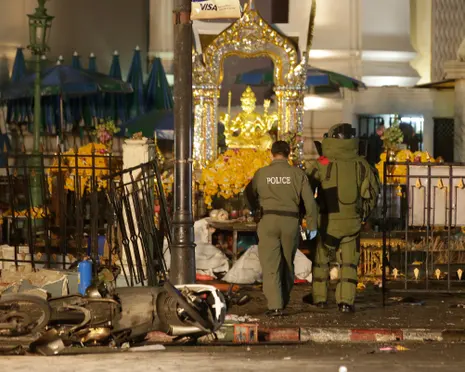
Wanderstayfinder.com – In a landmark ruling, Thai authorities have announced the death sentences for two Uyghur individuals in connection with a 2015 bombing that devastated the heart of Bangkok. The attack, which occurred at the Erawan Shrine—a bustling tourist hub—resulted in the loss of 20 lives and injured over 120 people. The victims included five mainland Chinese citizens and two residents of Hong Kong, marking a significant moment in the legal proceedings surrounding the incident. The convicts, Adem Karadag and Yusufu Mieraili, were found guilty of orchestrating the attack, with the court emphasizing the premeditated nature of their actions.
A Tragic Attack in Bangkok’s Core
The explosion at the Erawan Shrine, located in the central business district of Bangkok, sent shockwaves through the city and its international visitors. Known for its vibrant cultural atmosphere and frequent gatherings of tourists, the shrine became a symbol of unity and heritage. The blast, which struck during peak hours, not only claimed lives but also left a lasting impact on the community, sparking debates about security measures and the role of ethnic minorities in Thai society. The court’s verdict underscores the severity of the crime, linking it directly to the defendants’ intent to cause widespread harm.
Legal Proceedings and Defenses
The conviction of Karadag and Mieraili came after a lengthy trial that spanned over a decade. Prosecutors faced numerous challenges, including the difficulty of securing interpreters for the suspects during the investigation. The case involved gathering evidence from hundreds of witnesses, a process that took time to complete and solidify the prosecution’s case. Despite these efforts, the defendants maintained their innocence, with their legal representatives arguing that key factors were overlooked during the trial.
“The defendants’ actions constitute multiple separate offences,” the court statement asserted. “This ruling incorporates punishment for premeditated murder, which justifies the death penalty.”
Chamroen Panompakakorn, one of the men’s attorneys, noted that the accused had consistently denied all charges, expressing confidence in their appeal. “Don’t be frightened, there are three other courts,” he remarked, highlighting the possibility of challenging the verdict through different judicial avenues. Meanwhile, Choochat Kanpai, the second lawyer, emphasized that the court’s decision did not fully account for the defense’s arguments. “We will request an extension to file the appeal,” he said, stressing the need for further review of the case.
Thai Legal Process and Timeline
Under Thai law, appeals must be submitted within a month of the verdict. This deadline adds urgency to the defendants’ case, as they must act quickly to challenge the ruling. The prolonged duration of the trial, which has lasted more than 10 years, reflects the complexity of the evidence and the meticulous nature of the legal process. Prosecutors had to navigate extensive documentation, ensuring that all aspects of the defendants’ involvement were thoroughly examined.
The case has also drawn attention to the broader context of Uyghur deportations from Thailand. Just months before the bombing, over 100 Uyghurs were forcibly returned to China, raising concerns about their treatment and rights. Security analysts have suggested that the attack may have been a direct response to these actions, framing it as a retaliatory measure against perceived oppression. While no group has officially claimed responsibility for the blast, the connection to Uyghur grievances has fueled international scrutiny.
China’s Stance and International Response
China’s foreign ministry spokesperson, Lin Jian, voiced support for the Thai court’s decision, stating that the perpetrators acted with “utter inhumanity” and committed a “heinous crime.” This endorsement aligns with Beijing’s broader narrative on national security and the threat posed by extremist activities. However, the verdict has sparked discussions about the implications for Uyghur communities in Thailand. The deportation of 40 Uyghurs last year, despite warnings from UN human rights experts, has intensified calls for accountability and transparency in how Thailand handles such cases.
The Thai court’s ruling also highlights the legal framework surrounding the death penalty in the country. While the verdict is final, the appeal process provides a crucial opportunity for the defendants to present new evidence or arguments. The lawyers’ statements indicate their resolve to challenge the decision, ensuring that the case remains in the public eye. This legal battle is not only about the bombing itself but also about the broader issues of justice, cultural identity, and international cooperation.
Broader Implications and Future Outlook
The 2015 Bangkok bombing has become a focal point in the discourse about Uyghur communities in Southeast Asia. As Thailand continues to deport Uyghurs to China, the incident serves as a reminder of the tensions that arise from such policies. The prosecution’s ability to secure a conviction after over a decade of investigation demonstrates the determination of Thai authorities to address the crime, yet the defense’s emphasis on overlooked factors suggests a need for further examination of the trial’s fairness.
With the appeals process now underway, the fate of Karadag and Mieraili remains uncertain. Their legal team is preparing to challenge the death sentences, potentially opening the door for a retrial or reduced charges. The outcome of this case could influence future prosecutions involving Uyghur individuals in Thailand, as well as shape international perceptions of the country’s handling of ethnic minority issues. As the legal battle progresses, the focus will remain on whether the court’s decision reflects justice or serves as a tool for broader political objectives.