Tears and Catharsis as Kyiv Premieres Opera About Ukrainian Children Abducted by Russia
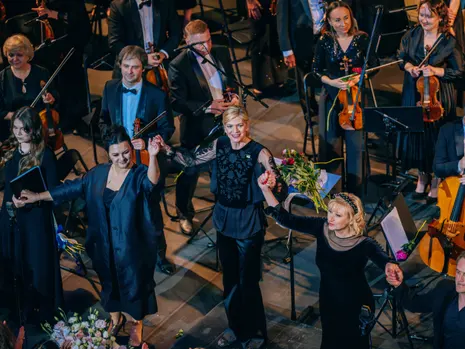
Wanderstayfinder.com – In the heart of Kyiv, under the grand vaults of the National Opera, a performance unfolded that transcended mere artistry. It was an emotionally charged event, drawing together a mix of dignitaries, families, and activists to witness the premiere of excerpts from Mothers of Kherson, an opera that chronicles the harrowing reality of Ukrainian children being taken by Russian forces. The piece, rooted in the ongoing tragedy of abductions, offered a visceral exploration of loss, resilience, and hope, leaving the audience in a state of collective reflection and emotional release.
A Night of Emotional Resonance
The performance on Thursday evening was not just a cultural event but a statement of solidarity. Attendees included high-profile figures such as First Lady Olena Zelenska, Prime Minister Yulia Svyrydenko, and Culture Minister Tetyana Berezhna, whose presence underscored the political and emotional weight of the moment. Yet the most poignant faces in the crowd belonged to mothers and families who had been directly impacted by the abductions. These individuals, some having reconnected with their children after years in Russian-occupied territories, others still awaiting reunion, carried the weight of real-life stories that had been woven into the opera’s fabric.
“Probably in the USA or in Great Britain, nobody knows about Maidan, but everybody cares about children, so this chosen topic has more common ground for everybody,” said Maxim Kolomiiets, the opera’s Ukrainian composer, speaking from Leipzig, where he is based.
The performance’s climax, a chorus of love and protection delivered by the cast and two large choirs, resonated deeply with the audience. Tears, spontaneous applause, and flowers tossed onto the stage revealed the power of the music to transform grief into collective catharsis. This emotional surge was a testament to the opera’s ability to capture the essence of a nation’s struggle, translating personal anguish into a universal narrative.
From Maidan to Abductions: A Shift in Narrative
Originally conceived as a tribute to the Maidan protests of 2013-14, the opera’s subject evolved in 2023 when reports of child abductions gained global attention. American librettist George Brant, known for his play Grounded, reoriented the work to address the current crisis, emphasizing the shared human experience of displacement and separation. The decision to focus on abducted children, rather than political upheaval, highlighted a deliberate choice to anchor the opera in the immediate, visceral impact of war on families.
Brant’s collaboration with Ukrainian composer Maxim Kolomiiets resulted in a score that balanced historical gravity with lyrical beauty. The opera’s portrayal of the abductions draws from real-life accounts, including the infamous scene where an elderly woman in Kherson gave sunflower seeds to a Russian soldier, symbolizing her hope for the land’s future. This moment, captured on film during the early days of the full-scale invasion, became the foundation for one of the opera’s most memorable arias, blending symbolism with raw emotion.
The Power of Storytelling
The narrative of Mothers of Kherson centers on two women, Kateryna and Olha, who reluctantly send their daughters to summer camps in Crimea after being told that the children would be safer from the chaos of war. Months later, these mothers journey through treacherous conditions to reclaim their daughters, a journey that mirrors the broader efforts of families to navigate Russia’s labyrinthine bureaucracy and military checkpoints. The opera compresses these events into a poignant, almost mythic structure, drawing parallels between personal sacrifice and national survival.
Many of the children in question were initially sent to Russian-occupied areas as part of a policy aimed at reducing the risk of direct combat. However, their displacement often led to prolonged separation, with some families unable to retrieve their children due to strict border controls. The story of these abductions, which has fueled international outrage, is now being told through the lens of music, providing a platform for voices that might otherwise go unheard.
Collaboration and Cultural Impact
The creation of the opera’s libretto involved close collaboration with NGOs like Save Ukraine, whose founder, Mykola Kuleba, was in attendance. This partnership ensured the opera’s portrayal of the abductions remained grounded in the lived experiences of those affected. Kuleba’s presence at the premiere symbolized the grassroots movement demanding justice and accountability for the children’s plight.
Commissioned by Peter Gelb, general manager of the Metropolitan Opera in New York, the piece was presented as an act of cultural diplomacy. It bridged the gap between Ukrainian resilience and global awareness, using art to amplify the urgency of the situation. Keri-Lynn Wilson, a conductor with Ukrainian heritage and fluency in the language, led the performance. She is also the founder of the Ukrainian Freedom Orchestra, which has become a vital voice of cultural resistance since the war began.
Looking Ahead: A Full Production in Warsaw
While the Kyiv premiere was a significant milestone, the opera’s journey is far from over. A fully staged version is set to debut in Warsaw this autumn, further expanding its reach and impact. The work’s production has already sparked conversations about the long-term effects of displacement, with initiatives like Bring Kids Back, launched by President Volodymyr Zelenskyy in 2023, estimating that over 20,000 children have been deported or forcibly transferred to Russia. These children face not only physical separation but also cultural assimilation, including name changes, Russian citizenship, and exposure to Russian militarized education.
Among those implicated in these actions, Maria Lvova-Belova, Russia’s children’s commissioner, appears as a character in the opera. Her role in orchestrating the abductions has earned her an international arrest warrant from the International Criminal Court, alongside Vladimir Putin. The opera’s inclusion of these figures adds a layer of political commentary, linking individual actions to systemic oppression. As the story unfolds, it invites audiences to confront the moral complexities of conflict and the enduring bonds of family.
Mothers of Kherson has become more than a musical piece; it is a rallying cry for justice, a reminder of the human cost of war, and a celebration of Ukrainian perseverance. Through its powerful blend of music, story, and symbolism, the opera captures the essence of a nation’s struggle, ensuring that the voices of the displaced are not forgotten. As the final notes fade, the audience is left with a renewed sense of purpose, knowing that art can be a weapon of empathy in the fight for freedom and reconnection.