Ukraine Navigates Political Shifts Amid Renewed Russian Assault and Alliance Strains
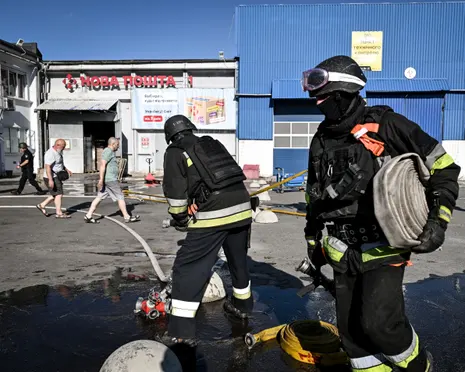
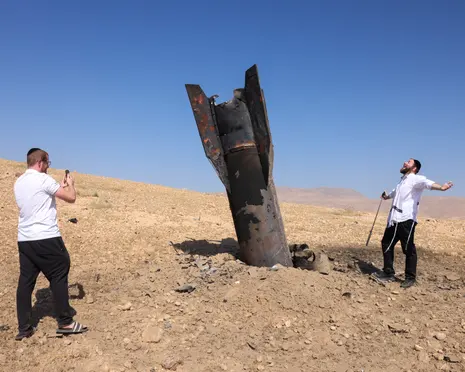
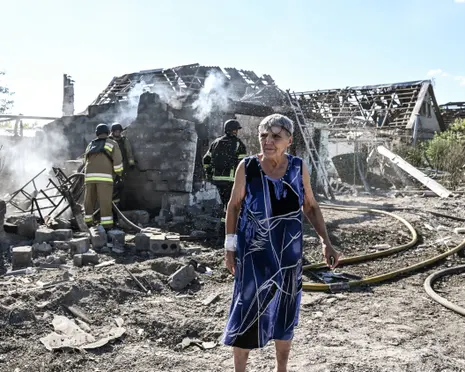
As Russia s assault continues Ukraine – Having recently returned from Kyiv, I observed how the political and diplomatic landscape has entered a seemingly endless cycle after more than four years of conflict. Peace negotiations appear perpetually on the horizon, only to be dashed by the Kremlin’s unwavering commitment to its maximalist objectives. This pattern brings us back to square one, where Russia has intensified its aerial bombardment of the Ukrainian capital. Mass drone and missile strikes now routinely disrupt Kyiv residents’ sleep, with some projectiles penetrating the city center—a development that contrasts sharply with previous years when Ukrainian air defenses typically intercepted such threats. The nights grow increasingly turbulent and frightening; during my visit, a single attack claimed twenty-seven lives. Consequently, thousands of citizens retreat underground into the metro system seeking rest.
Prospects for Peace and Domestic Political Changes
As we enter the fifth year of this conflict, questions arise regarding whether Vladimir Putin’s anticipated three-day offensive might finally conclude. Donald Trump’s various initiatives to resolve the war have encountered failure, and these efforts have grown quieter over recent months as Washington redirected its focus toward Middle Eastern affairs. Nevertheless, the prospect of resolution lingers in Kyiv, with cautious optimism emerging in certain circles that late autumn could present an opportunity for meaningful agreement. Ukraine desperately wishes to sidestep another winter of combat, while Putin faces mounting pressure from Kyiv’s impressive long-range drone campaign targeting Russian oil facilities. Skeptics counter this optimism, citing the Russian leader’s recent combative statements and arguing that Moscow will likely intensify rather than compromise.
Within Ukraine, political dynamics are accelerating. President Volodymyr Zelenskyy prepares for yet another cabinet reshuffle, and speculation suggests he may pursue a fresh presidential mandate through an election that could quickly follow any ceasefire arrangement. These discussions generate more inquiries than resolutions: even should hostilities cease, how would electoral processes accommodate frontline populations, citizens residing under Russian control, and millions of displaced refugees overseas? Furthermore, identifying potential challengers to Zelenskyy and determining whether genuine political competition remains viable under current conditions presents substantial challenges.
A Growing Rift with Poland
While these political debates may feel familiar to long-time observers of the Ukrainian conflict, a fresh controversy has emerged regarding Ukraine’s relationship with Poland. Historically, Warsaw stood among Kyiv’s most steadfast partners, but disagreements over historical interpretation have pushed this alliance toward crisis. The core issue involves Polish outrage over Ukraine’s decision to honor the “Heroes of the UPA” by naming a military unit after them. The UPA represents a wartime nationalist organization, with one faction bearing responsibility for massacring both Poles and Jews during the Second World War. Naturally, this revelation has provoked considerable anger in Warsaw.
Many people – not only Poles – take issue with veneration of the UPA.
This represents an intricately layered narrative, characteristic of historical memory disputes. The Ukrainian government’s choice has complicated matters further, particularly given that accusations of fascism and neo-Nazism constitute central elements of Kremlin propaganda. My 2018 publication examined historical memory dynamics between Ukraine and Russia, demonstrating how selective or manipulated World War II narratives shaped contemporary developments and influenced events ranging from Crimea’s annexation in 2014 through the Donbas conflict.
Since Russia launched its comprehensive invasion four years ago, countless analyses have documented Ukrainian efforts to counter Russian historical distortions, reclaim cultural heritage, and forge a unified national identity. However, the Polish dimension adds complexity to these memory battles. Conversations across both nations reveal profound resentment among everyday citizens. Ukrainians express frustration that Poland prioritizes historical grievances over wartime solidarity, while Poles contend that after four years of substantial military and humanitarian assistance, Ukraine should demonstrate greater appreciation for their support.