Tehran Reopens Maritime Blockade Following Intensified Conflict with Washington
US and Iran exchange strikes as Tehran – Iran has officially announced the closure of the Strait of Hormuz, marking a significant reversal of diplomatic efforts made just weeks ago. This decision comes after six consecutive days of military confrontation between Tehran and the United States, effectively undoing a bilateral agreement designed to restore commercial shipping lanes and facilitate broader peace negotiations. The Islamic Revolutionary Guard Corps made the announcement on Sunday, coinciding with a period of heightened aerial bombardment exchanges between the two nations.
Military Operations and Targeted Strikes
According to US Central Command, American forces responded to Iranian aggression by striking approximately 140 military installations across Iran. These operations aimed to diminish Tehran’s capacity to threaten civilian mariners and commercial vessels navigating the critical waterway. The targeted locations encompassed missile launch sites, drone facilities, naval bases, ammunition storage depots, communication infrastructure, and surveillance positions. In retaliation, Iran deployed drones and missiles toward American military installations situated within neighboring Arab states.
Reports indicate aerial engagements occurred across multiple territories, including the United Arab Emirates, Qatar, Jordan, Bahrain, and Oman. The IRGC asserted that it successfully destroyed logistical support centers for naval vessels alongside refueling infrastructure for American aircraft carriers located at Oman’s Duqm port. While Oman did not verify specific damage assessments, the sultanate issued a strong condemnation of the assault, which occurred merely hours after hosting Iranian officials for security discussions regarding the strait.
Commercial Shipping Disruptions
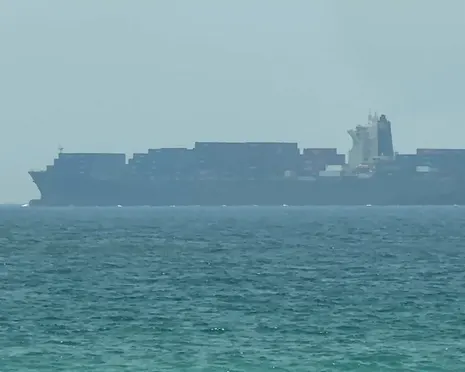
A Cypriot-flagged container vessel experienced a critical incident while traversing the southern route along Oman’s coastline. The UK Maritime Trade Operations center reported that the ship was struck, disabled, and its crew subsequently evacuated into lifeboats. Indian authorities confirmed that ten of their citizens aboard the vessel were successfully rescued, though one individual remains unaccounted for. New Delhi has publicly demanded unrestricted navigation through the contested waterway.
The IRGC stated that multiple ships ignored warnings to adjust their trajectories and follow designated routes. One particular vessel reportedly received a warning shot before being halted. The military organization declared the strait would remain shut until American interference concludes, while also signaling potential strikes against additional regional enemy bases if further American aggression materializes.
Diplomatic Framework Under Strain
The June 17 memorandum of understanding originally extended the ceasefire by sixty days, providing time for trade restoration and negotiations concerning Iran’s nuclear program and sanctions relief. Despite some indirect technical discussions, these talks have largely stalled. Concurrent fighting between Israel and Hezbollah in Lebanon continued despite being covered under the same agreement.
The diplomatic arrangement began deteriorating when Iran targeted three commercial vessels on Monday night as they crossed the strait along a southern route adjacent to the Omani coast—a path Tehran had not authorized. This incident triggered American missile responses, initiating nearly a week of reciprocal military exchanges.
Global financial markets experienced volatility following the resumption of hostilities. Brent crude oil settled at seventy-five dollars per barrel heading into the weekend, representing a substantial decline from wartime peaks exceeding one hundred twenty dollars and aligning closely with pre-conflict averages. Market participants appear confident that both Washington and Tehran seek to prevent escalation into comprehensive warfare, while the global economy demonstrates adaptability to ongoing uncertainty surrounding the strategic waterway.
US Central Command confirmed that vessels continue utilizing the southern transit route. Tehran maintains that any enduring regional settlement must acknowledge Iranian control over the strait, which the country secured following the US-Israel assault on Iran in February. Mohsen Rezaee, a prominent advisor to Supreme Leader Mojtaba Khamenei, emphasized the passage’s significance in state media:
This strategic passage is more important than dozens of atomic bombs, and the Islamic Republic of Iran will protect it.
Under the previous memorandum, Tehran committed to facilitating safe commercial vessel passage without charges for sixty days, though questions regarding long-term implementation persist as tensions continue to evolve.