UK Experts Warn of Social Mobility Impact from Language Course Cuts
Cutting language courses puts social mobility – UK educators and experts caution that reducing language programs in higher education and secondary schools may jeopardize social mobility and vocational training. This concern has been amplified by recent decisions at institutions like the University of Exeter, where over 70 language academics were notified last week of potential redundancy amid plans to eliminate 150 full-time positions, primarily in humanities disciplines. The move follows the University of Nottingham’s proposal to become the first Russell Group university to offer no language degrees, signaling a broader trend of prioritizing financial efficiency over broader educational goals.
Financial Pressures and Declining Student Entries
These cuts occur against a backdrop of worsening university budgets and a sustained decline in GCSE and A-level language enrollments. The Language Trends survey, released this year, reveals that only 22% of state secondary schools require languages as a compulsory GCSE, compared to 41% of independent institutions. This disparity exacerbates existing inequalities, as students from less affluent backgrounds lose access to subjects that historically provided a pathway to elite universities and higher-paying careers.
University Cuts and Staff Reductions
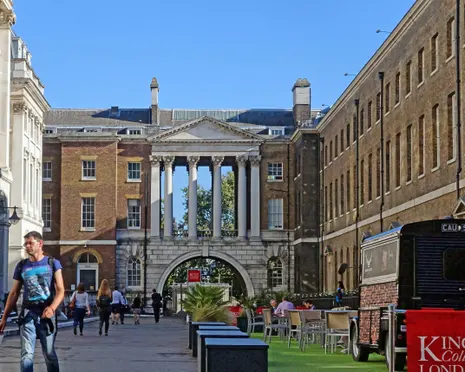
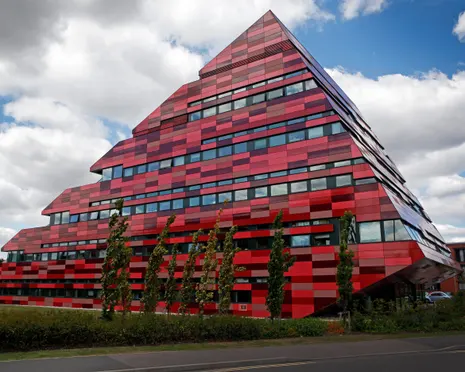
The University of Exeter’s decision to trim its humanities staff reflects a growing trend among institutions to cut costs. Over 500 employees, including more than 70 language academics, face the threat of redundancy as the university seeks to streamline its operations. Meanwhile, the University of Nottingham’s plan to phase out language degrees has sparked debate about the long-term consequences for students and the broader academic ecosystem. Critics argue that such reductions risk isolating language studies from other disciplines, limiting interdisciplinary opportunities that could enhance learning outcomes.
Expert Concerns and Recommendations
Former education ministers and specialists stress the need for universities to adopt innovative strategies rather than resorting to cost-cutting measures that undermine educational quality. David Blunkett, who served as Labour’s education secretary from 1997 to 2001, emphasized that reducing language courses “prevents a cohesive learning strategy.” He warned that without a strong language faculty, institutions would struggle to integrate linguistic skills with fields like technology, engineering, and digital studies, which are increasingly vital for career advancement. “This is a missed opportunity to level the playing field,” Blunkett added, “but it must be paired with efforts to revitalize language education at the school level to ensure a consistent pipeline for students.”
“Instead of retrenchment as the sole solution, universities should think creatively. Cutting language programs cuts off the links between different areas of study, leaving students without the tools to thrive in a globalized world.”
Impact on Student Opportunities
Estelle Morris, Blunkett’s successor, highlighted the consequences for working-class students. “If universities like Nottingham eliminate language degrees, it sends a damaging message to disadvantaged pupils,” she stated. “Middle-class students might switch to other programs, but working-class students won’t have that option. They’ll be forced to take subjects available locally, sacrificing the skills and opportunities that language learning offers.” This sentiment underscores the argument that language courses serve as a critical gateway for students from diverse backgrounds to access higher education and competitive job markets.
“It’s a terrible message – these are our country’s leading universities. If they close language degrees, middle-class children might move elsewhere, but working-class students won’t. They’ll settle for what’s on offer, and the benefits of language study will disappear.”
Language Degrees as a Pathway for Social Mobility
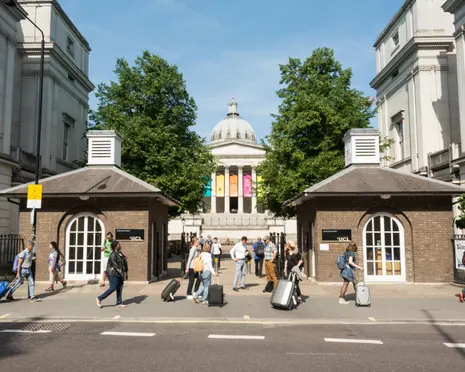
Data from The Guardian highlights how language degrees could be a hidden advantage for students from less privileged backgrounds. At Oxford University in 2025, nearly 17 applicants competed for each economics offer, while just under 10 applied per place in computer science, law, or maths. In contrast, approximately half of those applying for modern and medieval language courses at Cambridge received offers, compared to just 14% for chemical engineering and 13% for psychological sciences. These figures suggest that language programs are more accessible, with lower grade requirements at the most selective universities.
For instance, at University College London and the University of Bristol, A-level grades for mathematics are A*A*A, but only ABB is needed for French, German, or Spanish. This gap in entry standards creates an uneven playing field, where students pursuing language degrees face fewer hurdles to secure places at top institutions. “Language courses act as a quiet passport to elite universities,” said Lee Elliot Major, professor of social mobility at the University of Exeter. “They open doors for students who might otherwise be left behind, offering skills that are both academically enriching and economically beneficial.”
Call for Revitalization and Strategic Planning
The argument for preserving language courses is not just about academic diversity but also about fostering equity. As Jo Johnson, former Conservative universities minister, noted, “Student choice is not formed by chance. It’s shaped by the opportunities available to them, and language degrees can be a decisive factor in that process.” However, Johnson’s statement was cut off, leaving the full implication of her point open to interpretation. The consensus among experts is clear: without a coordinated effort to support language education across all levels, the erosion of these programs could have lasting effects on social mobility and the broader workforce.
Elliot Major further stressed that schools must take an active role in promoting language study. “If state schools want to improve their pupils’ prospects, they should invest in language programs that connect with higher education,” he said. “This isn’t just about grades – it’s about building a foundation for lifelong learning and global competitiveness.” The call to action extends beyond individual institutions, urging policymakers to recognize the systemic importance of language education in addressing educational and economic disparities.
As the debate over university funding and curriculum priorities continues, the stakes for social mobility are high. Language courses, often overlooked in the quest for efficiency, remain a vital tool for empowering students from all backgrounds. Their decline could not only narrow access to higher education but also diminish the cultural and intellectual capital that languages provide. With the right strategies in place, these courses could continue to serve as a bridge between disadvantaged communities and the opportunities of the modern world.