Extra EU Border Checks Suspended at Dover as Travellers Face Delays in Heat
Extra EU border checks suspended at Dover – The UK’s busiest ferry terminal, Dover, has temporarily halted additional EU border checks under the new entry-exit system (EES) amid reports of prolonged delays for travelers. With temperatures reaching record highs across the country, the port faced a surge in congestion, leaving thousands of holidaymakers stranded at the terminal in Kent. French police, part of the Police Aux Frontières (PAF) initiative, responded to the crisis by invoking a clause in the EES regulations to ease the burden on the cross-Channel route, which connects the UK to northern France. This popular destination for British tourists saw its first major peak period since the digital system was fully implemented last month.
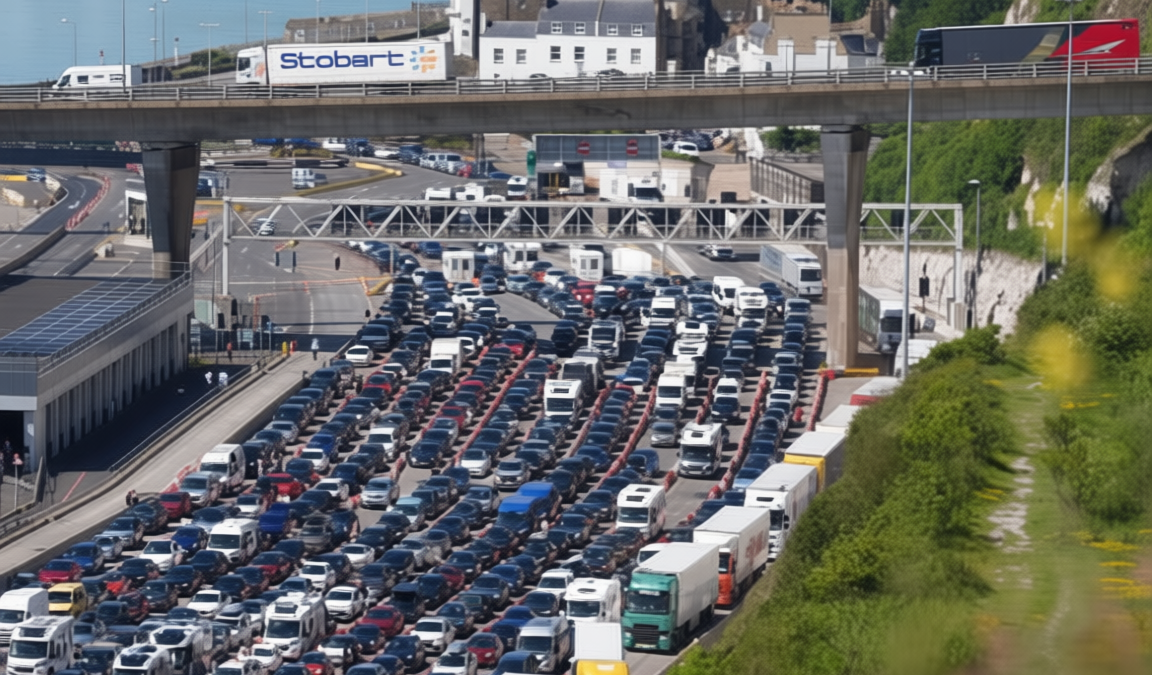
Heatwave conditions exacerbated the strain on Dover’s infrastructure, with waiting times exceeding two hours for passengers attempting to board ferries. The Met Office confirmed Saturday as the UK’s hottest day of the year so far, noting a peak temperature of 30.5°C recorded in Kent. Images from the terminal showed long lines of vehicles clogging the roads, as the port became the primary gateway for travelers to Calais, a key destination for summer holidays. Despite the challenges, the port reiterated its commitment to minimizing delays and ensuring smooth operations for customers, while also prioritizing the safety and accessibility of local road networks.
EU Entry-Exit System (EES) Overview
The EES, a digital border management tool designed to replace traditional passport stamps, was introduced to streamline the EU’s external borders and enhance security. By mandating electronic registration for travelers, the system aims to create a more efficient process for cross-border movement. However, its implementation has raised concerns about the impact on travel times, particularly during high-traffic periods. Dover, which serves as a critical entry point for the UK, reported that Saturday’s peak activity marked the first significant test of the new procedures since they began operating in full last month.
“We are pleased that Police Aux Frontières have responded positively by invoking the article 9 clause of the EES regulations,” the port stated in a blockquote on X. This provision allows for temporary adjustments to border checks, enabling authorities to reduce processing times during emergencies. While conventional inspections will continue, the measure is intended to alleviate pressure on the terminal and improve the overall flow of passengers. The port emphasized collaboration with PAF and other partners to ensure travelers are expedited through the facility and that local roads remain clear.
“We will be working with PAF and all our partners to get customers into and through the port as swiftly as possible and keep the roads clear for our local community.”
The situation has sparked criticism from transport companies and travelers, with EasyJet calling for EU nations, especially Spain, to reconsider the EES rules. The airline’s chief executive, Kenton Jarvis, argued that the additional checks risk deterring holidaymakers, stating they would “put [holidaymakers] off” traveling. Non-EU passengers and some transport providers have also raised concerns about the system’s effectiveness, particularly for those in the UK, which left the EU in 2020 under Brexit. The EES is now in use across most EU countries and Schengen-associated nations, including Switzerland, Norway, and Iceland, but its impact on British travelers has been a point of contention.
The European Commission defended the EES, highlighting its goals to secure the EU’s borders and combat irregular migration. “The system was designed to make the EU’s borders more secure, efficient, and strong against irregular migration,” it stated. However, the current heatwave has exposed potential vulnerabilities in the system, with some travelers questioning its readiness for high-demand periods. As temperatures are expected to rise further throughout the upcoming bank holiday weekend, the Met Office has issued amber heat health alerts for several regions, including the East Midlands, West Midlands, and the south-east of England. These alerts warn of potential risks to life, property damage, and severe travel disruptions, with warnings in place until 5pm on Wednesday.
With the UK projected to experience its hottest ever May day over the long weekend, some areas could see temperatures as high as 33°C. This forecast has intensified pressure on Dover and other border points, as the system struggles to handle the volume of traffic. The port advised drivers to remain patient and treat staff with “kindness and respect,” adding that “unacceptable behaviour towards staff will not be tolerated.” Passengers who missed their ferry due to delays were assured they could board the next available crossing, though the backlog has caused frustration among those planning short-term trips.
The EES’s role in shaping the UK’s post-Brexit border strategy has come under scrutiny as the heatwave highlights its challenges. While the system was intended to modernize and streamline EU border controls, its rollout has coincided with peak travel seasons, testing its capacity. The Met Office’s warnings about record-breaking temperatures underscore the urgency of addressing bottlenecks at Dover and other key locations. As the weekend progresses, officials will monitor how the system performs under extreme conditions, balancing the need for security with the demands of a bustling holiday season.
Despite the difficulties, the port remains optimistic about the EES’s long-term benefits. “The system has the potential to make our borders more efficient, even if it faces initial challenges,” a spokesperson said. However, the temporary suspension of extra checks underscores the importance of flexibility in managing unexpected disruptions. With the UK’s weather forecast to intensify, the focus will be on maintaining operational efficiency while ensuring the safety of both travelers and local residents. The coming days will reveal whether the EES can adapt to high-pressure scenarios or if further adjustments are needed to prevent future delays.
Historical data adds context to the current heatwave, as the UK’s previous record for May temperatures was set in 1944 with 32.8°C recorded in London, West Sussex, and Kent. The current situation, with temperatures potentially surpassing that mark, has drawn comparisons to past extreme weather events. While the EES was introduced to improve border management, the summer heat has tested its resilience, prompting calls for a temporary pause in its strictest protocols. The Met Office’s alerts, coupled with the UK’s increased travel demand, highlight the need for a balanced approach to border control in times of crisis.