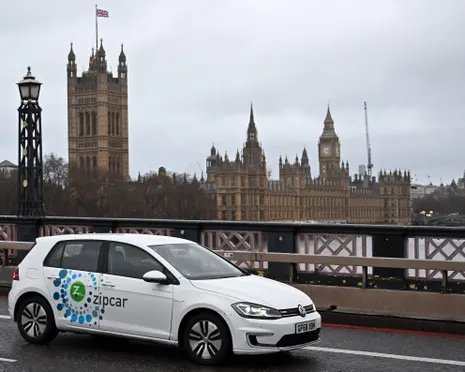
London Car-Sharing Market Faces Severe Decline After Zipcar Exit
London has lost catastrophic 89 of car – Since Zipcar’s abrupt departure from London in December 2025, the city has experienced a dramatic reduction in car-sharing options, with vehicle numbers plummeting by 89%. This decline has left many residents scrambling to find alternatives, raising concerns about the long-term viability of shared mobility in one of Europe’s most promising urban markets. The data reveals a stark transformation in the availability of car club services, now struggling to maintain even a fraction of their former scale.
The Collapse of a Shared Mobility Ecosystem
Car-sharing services, which once provided a convenient and eco-friendly solution for urban dwellers, have seen their presence shrink significantly. Before Zipcar’s exit, these vehicles were scattered across the city, offering an accessible way to rent cars on demand. However, the loss of Zipcar has created a void that other providers have yet to fill, leaving only 330 car club vehicles available for rent six months after the company’s departure. This figure represents a mere 12% of the 2,800 cars that were once in circulation, according to a report by Collaborative Mobility (CoMoUK), a nonprofit advocacy group.
The data underscores a growing disconnect between the city’s ambitious sustainability goals and its current shared transport infrastructure. CoMoUK’s analysis indicates that only about 100 of the 330 remaining cars have been replenished since the end of the year, highlighting the persistent challenges facing the sector. For Londoners who relied on these services, the decline has prompted a shift toward private car ownership, with many now considering the financial and logistical commitment of owning a vehicle.
Market Shift and Consumer Behavior
Survey results from CoMoUK reveal that 9% of former Zipcar users have already purchased or leased cars to replace their shared mobility options, while 55% are actively weighing the decision. These numbers suggest a growing reliance on traditional car ownership, driven by the lack of accessible alternatives. The drop in availability has not only affected convenience but also affordability, as the cost of private ownership rises alongside the scarcity of shared vehicles.
While some providers, including Free2move (owned by Stellantis), Enterprise Car Club, and Co Wheels, have expressed interest in expanding their fleets, no concrete plans have been announced to significantly increase numbers. Similarly, peer-to-peer platforms like Hiyacar and Turo have reported heightened demand but remain dependent on private owners contributing their vehicles to the shared pool. This reliance on individual participation creates an uneven landscape, where the success of such services hinges on the willingness of residents to participate.
Structural Challenges in London’s Car-Sharing Sector
Richard Dilks, CEO of CoMoUK, has described the situation as a “catastrophic” setback for a sector that was thriving across Europe. “We’re massively down overall,” he stated, emphasizing the gap left by Zipcar’s exit. “That’s a catastrophic result for a sector that is doing well across Europe.” Dilks pointed to the lack of centralized rules and processes as a major obstacle, noting that the absence of a unified regulatory framework has hindered growth and consistency in London’s car-sharing ecosystem.
Although London boasts an extensive public transport network and 42% of its population forgoes car ownership, the city has lagged behind in developing a cohesive car-sharing strategy. Dilks highlighted that while some boroughs have relaxed fees and streamlined licensing procedures for car clubs, the disparity in policies across the 32 districts makes it difficult to establish a reliable system. “If there’s viability, then there should be a queue of people knocking on the door,” he remarked. “But there’s not, and there’s not one door.” This fragmentation has weakened the sector’s ability to scale and attract a stable user base.
Broader Implications for Sustainable Transport
Car-sharing services have long been a key component of reducing urban car dependency, cutting carbon emissions, and lowering ownership costs for individuals. Their absence now threatens to undermine these benefits, particularly in a city where public transport is already well-established. The decline also raises questions about the potential for alternative solutions to fill the void, such as electric bicycles or ride-sharing platforms. However, these options are still in their early stages, with dockless bike services from companies like Lime and Forest gaining traction but not yet offering the same level of convenience as car clubs.
Despite its strategic advantages, London’s car-sharing market has faced persistent hurdles. The lack of a centralized governing body has left providers navigating a patchwork of regulations, which can be costly and time-consuming. This issue has been compounded by the absence of a clear financial model, as some car clubs struggle to cover operational expenses. The sector’s reliance on private investment, rather than public funding, has made it vulnerable to market fluctuations and corporate decisions, such as Zipcar’s withdrawal.
Zipcar’s exit from the UK market marks a turning point for the industry. Founded in 2000 in the United States, the company expanded to London in 2010 through a merger with the local car club Streetcar. While its London operations were profitable, the decision to discontinue the service was driven by financial pressures, with its current owner, Avis Budget Group, citing the need to focus on more lucrative markets. The departure has not only disrupted the local car-sharing landscape but also sent a signal to other providers about the risks of operating in London without a stable regulatory and financial environment.
Looking Ahead: Opportunities and Challenges
The future of London’s car-sharing market remains uncertain, but some signs of resilience are emerging. Free2move and Enterprise Car Club have indicated a willingness to explore expansion, though they have yet to commit to substantial growth. Meanwhile, Hiyacar and Turo are benefiting from increased interest, suggesting that consumer demand for flexible mobility options is still strong. However, the success of these companies will depend on the continued participation of private owners and the development of more supportive policies.
Dilks stressed that the decline of car clubs represents a missed opportunity for London to become a global leader in sustainable transport. “A decade ago, TfL set a target of a million car club users by 2025,” he recalled, adding that the current number of vehicles is less than a fifth of what it was at that time. “This reflects a failure to create the right conditions for shared mobility to flourish.” As the city grapples with its car-sharing challenges, stakeholders are calling for a more coordinated approach, one that balances regulatory oversight with incentives for providers and users alike.
In the wake of Zipcar’s exit, the question remains: can London’s car-sharing sector recover? The answer may depend on the ability of remaining companies to adapt to the new landscape and the willingness of policymakers to implement a unified strategy. With 330 vehicles now available and the market showing signs of instability, the road to rebuilding shared mobility in the capital will require both innovation and commitment from all parties involved.