Keir Starmer Issues Formal Apology for Historical Forced Adoption Practices
The shame is ours – Prime Minister Keir Starmer has publicly acknowledged the British state’s complicity in forced adoptions, offering a formal apology to mothers and children impacted by the practice over decades. The announcement, made during a House of Commons session, marks a significant shift in government policy as it addresses long-standing grievances. Starmer emphasized that the apology is not just a gesture but a recognition of systemic failures, pledging additional resources to support those seeking access to their adoption records and reuniting with biological families.
A Legacy of Stigma and Systemic Harm
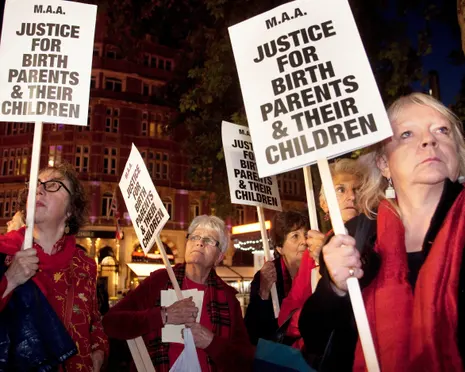
Between 1949 and 1976, approximately 185,000 birth mothers and their children in England and Wales were affected by forced adoptions, driven by societal pressures and moral judgments. At the time, pregnancies outside marriage were heavily stigmatized, leading to the institutionalization of practices that separated families. Starmer highlighted how the state’s policies compounded these harms, creating a legacy of emotional and social trauma for generations. “The state did not prevent harm from continuing,” he stated, “and it bears responsibility for the systems it funded and legitimized.”
“The shame was never yours. The shame is ours.”
Speaking from the House of Commons, Starmer addressed the audience with a tone of humility and resolve. He recounted how mothers and children endured harsh conditions, isolation, and coercion, often without the right to make autonomous decisions about their futures. “You should not have had to fight so hard for this day to come,” he said, underscoring the collective guilt of the state for its role in perpetuating the injustice. The apology, he argued, represents a step toward accountability, though it is only the beginning of a broader process.
Reconnection and Recognition
Starmer’s government has allocated £4 million to initiatives aimed at restoring connections between adoptees and their biological families. This funding will support access to adoption records, medical histories, and educational projects documenting the long-term effects of the policy. The goal, as outlined in the statement, is to ensure that affected individuals are no longer overlooked and that their stories are preserved for future generations. “The measure of this apology will not be the words spoken today,” said the Adult Adoptee Movement, “but the actions taken tomorrow.”
Many adoptees grew up believing they were unwanted by their birth families, often denied access to records that could clarify their origins. This lack of information contributed to feelings of identity loss and cultural disconnection. Starmer acknowledged the emotional toll of these experiences, stating, “The harm of forced adoptions has been compounded by the actions and failures of the state.” His remarks were met with nods of approval from affected mothers seated in the public gallery, who had long campaigned for recognition and reparations.
“Today, finally, I do say on behalf of the state and the nations involved: we see you, we hear you and we are truly sorry.”
The government’s commitment extends beyond financial support. It has pledged to establish a lived experience reference group, tasked with evaluating progress on reforms and ensuring ongoing accountability. Additionally, mental health services will be expanded to address the lasting psychological impacts of forced separations. “The pain carried by mothers, adopted children, and their families is unimaginable,” said Education Secretary Bridget Phillipson, who joined Starmer in voicing the government’s stance. “This was wrong, and we are sorry.”
Historical Context and Institutional Apologies
The apology follows decades of advocacy by affected communities and a growing body of evidence highlighting the state’s role in the practice. While the Church of England and the Catholic Church in England and Wales had previously issued expressions of regret, the Welsh and Scottish governments also acknowledged their part in the system. In Northern Ireland, efforts are underway to create a statutory public inquiry and a financial redress scheme for victims of mother and baby institutions, which operated under similar conditions of coercion and neglect.
A 2022 report by the UK Parliament’s Joint Committee on Human Rights had recommended a formal state apology, but the Conservative administration at the time opted for a more general acknowledgment. Starmer’s government has since taken a more definitive stance, aligning with the calls for systemic change. “This apology is for the adoptees who were taken at their most vulnerable,” said the Adult Adoptee Movement, emphasizing the need for a lasting correction to the narrative surrounding historical adoption practices.
Challenges and Calls for Deeper Reform
Despite the apology, campaigners have stressed that it alone cannot fully address the complexities of the issue. Adoption UK’s chief executive, Emily Frith, welcomed the gesture but warned against complacency. “Words alone are not enough,” she noted. “While today’s investment in improved support is welcome, it is limited in scope and time.” She urged the government to create a comprehensive program of redress, including lifelong, trauma-informed care for those affected. “An apology should not be the end of this story,” Frith argued. “It must be the beginning of justice, accountability, and lasting change.”
Some critics have pointed out that coercive practices persisted even after 1976, when more rigorous consent procedures were introduced. Starmer acknowledged this, stating that the government understands cases where the state’s role was less direct. However, he insisted that the apology covers the broader period of forced adoption and the systemic failures that enabled it. “The state bears responsibility for the systems it funded,” he reiterated, “and for the harm it allowed to continue.”
Implications for Future Policy
As the government moves forward, the focus will be on translating the apology into tangible outcomes. The establishment of a reference group signals an effort to involve those directly affected in shaping future reforms. However, the scale of the problem necessitates more extensive measures, including legal redress for individuals who endured long-term separation and support for communities impacted by cultural erasure. Starmer’s speech was described as a pivotal moment, not only for acknowledging past wrongs but also for setting a framework for healing and reconciliation.
The apology has sparked renewed hope among advocacy groups, who see it as a critical milestone in addressing historical injustices. Yet, they remain vigilant, emphasizing that the journey toward full reparations is far from over. “This is a start,” said one representative, “but we need sustained action to ensure no one is forgotten.” As the government commits to new initiatives, the challenge lies in maintaining momentum and ensuring that the voices of those affected continue to shape policy decisions for years to come.