EU Halves Duty-Free Steel Quota, UK and Others Secured Better Rates
EU halves duty free steel quota – Amid escalating trade tensions, the European Union has announced a major adjustment to its steel import policies, reducing the duty-free quota for foreign steel by half. This measure aims to curb the influx of inexpensive Chinese steel into the bloc. However, a notable exception has been made for 13 countries, including the United Kingdom, which have been granted preferential rates under a free trade agreement (FTA) with Brussels. These nations will see their import limits maintained at a lower reduction rate, affecting only one-third of their previous allowances.
Targeting Chinese Steel Imports
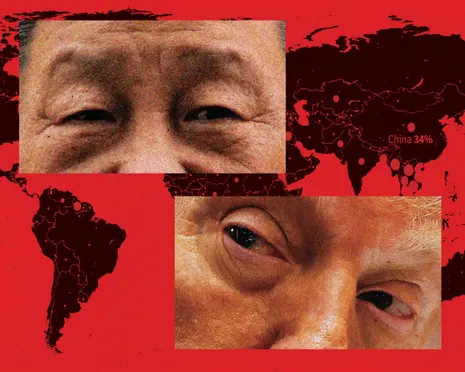
The EU’s decision follows concerns over the dominance of Chinese steel in European markets, particularly after trade routes were diverted from the United States due to the tariffs introduced by Donald Trump in April 2025. These tariffs, labeled “liberation day” by critics, had already disrupted supply chains, prompting the EU to seek additional safeguards. The new steel quotas are intended to provide a balance between protecting domestic industries and maintaining access for allies. By restricting the volume of tariff-free imports, the EU hopes to stabilize prices and ensure fair competition within the bloc.
“The commission is putting in place the practical arrangements needed to ensure that the EU’s steel measure operates effectively from day one,” said EU trade commissioner Maroš Šefčovič. “We are providing market participants with predictability through clear and transparent quota distribution rules.”
While the EU’s steel quotas have been scaled back, the 12 FTA partners—including the UK, Turkey, India, South Korea, Indonesia, Egypt, Brazil, Switzerland, North Macedonia, South Africa, Argentina, and Ukraine—have been exempted from the steepest cuts. These nations are allowed to import up to 66% to 67% of their historic trade levels, as the quotas are tied to past trade data. The flexibility of these allocations means they can be modified if supply shortages arise in specific steel categories, such as rolled steel for automotive applications or construction bars.
Impact on the UK Steel Industry
The UK steel sector has expressed apprehension over the EU’s plan, warning of “devastating” effects on its competitiveness. The new rules, which are based on trade statistics from 2022 to 2024, have quashed earlier hopes of forming a strategic “steel club” alliance between the EU and the UK. Such an arrangement would have enabled mutual tariff-free trade and a coordinated effort against Chinese imports. Instead, the EU has opted for a more fragmented approach, with the UK facing a larger share of the quota restrictions than some other FTA partners.
Under the revised system, the EU will double tariffs on steel imports exceeding the quota to 50%, a significant increase from previous levels. This change, effective from 1 July 2026, applies to all products not covered by the FTA exceptions. The 28 categories of steel products included in the quota system range from automotive components to construction materials, ensuring a broad impact across industries. The allocation of quotas is designed to address imbalances in the market, with the goal of preventing an oversupply of cheap steel from China while preserving access for reliable partners.
Strategic Trade Adjustments
EU officials emphasized that the quotas are not just a blunt tool but a calculated strategy to align with trade objectives. The system allows for adjustments if shortages emerge, ensuring adaptability in the face of supply chain disruptions. For instance, if there is a scarcity of certain steel types, the quotas can be temporarily expanded to meet demand. This approach is intended to prevent economic instability while maintaining the EU’s leverage in global trade negotiations.
The UK, now a key player in the post-Brexit trade landscape, has been at the center of these changes. The country’s steel industry, which has long relied on EU markets, faces a more challenging environment as the EU tightens its import rules. This divergence from the EU’s broader strategy marks the most significant trade split since the UK’s departure from the bloc in 2020. The EU’s decision underscores its commitment to protecting domestic producers, even as it seeks to maintain stable trade relationships with allies.
Future Steel Club Ambitions
Despite the current adjustments, EU officials remain optimistic about forming a new “steel club” alliance with the United States and the UK. This proposed partnership would aim to shield domestic markets from unfair competition, particularly from nations that do not adhere to the same trade standards. The steel club concept, though not yet realized, represents a long-term vision to harmonize trade policies and strengthen economic cooperation. However, the immediate implementation of quotas has created short-term friction, as the UK’s steel sector grapples with the new rules.
The EU’s actions have also sparked discussions about the future of trade agreements with other nations. While the 13 FTA partners are benefiting from reduced quotas, the remaining countries will need to navigate the stricter regulations. This includes a range of products, from lightweight steel sheets to heavy-duty structural beams, all of which are subject to the new import limits. The move is part of a broader effort to reshape global trade dynamics, ensuring that European industries are not undercut by cheaper foreign alternatives.
Analysts suggest that the EU’s decision could lead to a shift in trade patterns, with countries like China potentially redirecting steel exports to non-EFTA markets. However, the EU maintains that the quotas are a temporary measure, intended to provide clarity and stability during the transition period. The UK, while affected, has not ruled out future negotiations to secure more favorable terms. As the new rules take effect, the steel industry will be closely monitoring their impact on prices, supply chains, and international trade relationships.
Additionally, the EU has highlighted the importance of transparency in the quota distribution process. By linking the quotas to historical trade data, the bloc aims to create a fair and predictable framework for its partners. This method is seen as a compromise between protecting domestic industries and ensuring that trade flows remain balanced. The United Kingdom, as one of the key FTA nations, will have to adapt to these changes while continuing to push for a unified approach with the EU.
Broader Economic Implications
The EU’s steel safeguards reflect a growing trend of protectionist policies in global trade. By reducing the amount of duty-free steel available, the bloc is sending a clear message to suppliers about the limits of market access. This strategy has been mirrored by the UK, which announced similar measures last week to support its domestic steel industry. The alignment of policies between the EU and the UK, despite their post-Brexit trade split, highlights the shared economic interests in countering Chinese competition.
With the quotas set to take effect in July 2026, the steel sector faces a critical juncture. The EU’s decision to prioritize its own market stability over immediate bilateral agreements has created a complex landscape for trade. While the UK and other FTA partners have been given more leniency, the broader implications for global steel markets remain significant. The success of these quotas will depend on their ability to balance protectionism with continued economic cooperation, a challenge that will test the EU’s trade strategy in the years ahead.
As the steel industry adjusts to these new rules, the EU’s approach serves as a model for other regions facing similar trade challenges. The combination of quota reductions and tariff increases demonstrates a multifaceted strategy to manage supply and demand. However, the long-term effectiveness of these measures will hinge on how well they address the root causes of steel overproduction and market distortions. For the UK, the path forward may involve renegotiating terms or finding alternative strategies to maintain its competitive edge in the global steel market.
The EU’s steel safeguards are expected to have ripple effects across various sectors, from manufacturing to construction. By limiting the volume of cheap imports, the bloc aims to incentivize higher-quality production and reduce dependency on foreign suppliers. This shift could lead to increased investment in domestic steel manufacturing,