Heatwave and High Humidity to Blast Much of US: ‘Impactful to Anyone’
Heatwave and high humidity to blast – A powerful heatwave, set to persist for several days, is expected to sweep through much of the central and eastern United States, according to the National Weather Service (NWS). The coming week will bring dangerously high temperatures, with humidity levels intensifying to create even more oppressive conditions ahead of the Fourth of July holiday. This combination of heat and moisture is likely to challenge residents across the region, from the Great Lakes to the Mississippi River Valley, and could lead to widespread discomfort and health risks.
Severe Weather Conditions Spread Across the West
As the heatwave intensifies, the NWS has issued warnings about severe wildfire conditions developing in the western states. Already, parts of the U.S., including Phoenix and central Texas, have seen temperatures hovering around 100°F (38°C), while the southwest faces an increased threat of fast-moving fires. The agency reports that over 130 million Americans in the southern and Great Plains regions are under moderate to severe heat risk, with forecasts indicating the situation will worsen as the week progresses.
“That’s heat that’s impactful to anyone,” said Bryan Putnam, a meteorologist with the NWS. “It’s not just older adults or younger children or people who are spending a ton of time outdoors, maybe straining themselves a little more than normal. This is heat that really could impact everyone, especially with people outdoors going into the holiday weekend.”
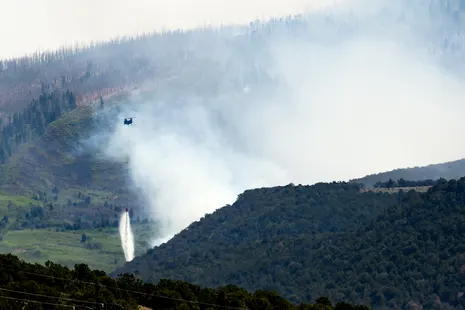
While the central and eastern U.S. grapples with the heat, the western states are battling extreme dryness and gusty winds that fuel fire spread. In areas like the Great Basin and Southwest, the NWS predicts conditions ripe for devastating wildfires. On Sunday, near the Colorado-Utah border, three firefighters were reported killed and two others suffered burn injuries after being engulfed by flames from rapidly spreading wildfires. These incidents highlight the urgency of the situation, as the region’s vegetation becomes increasingly tinder-dry.
Heat Indexes Exceed 110°F in High-Risk Zones
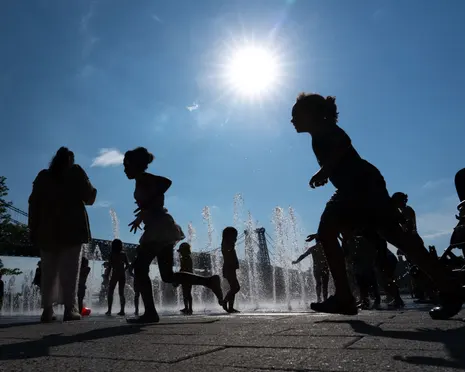
High humidity will exacerbate the already dangerous temperatures, pushing heat indexes into the 100-110°F range and potentially reaching 115°F in some areas. This means that even though the air temperature may be manageable, the body’s ability to cool itself is significantly hindered, increasing the risk of heat-related illnesses. Meteorologists warn that nightly lows in the 70s°F or high 80s°F will not offer substantial relief, leaving many regions in a prolonged state of thermal stress.
For those without air conditioning, particularly in eastern seaboard cities like New York, the situation could become unbearable. In Washington, D.C., average high temperatures near the Fourth of July holiday are typically around 89°F, but this week’s conditions could raise them by 10 to 11°F. Similarly, Indianapolis, which averages 85°F during this time, may see temperatures surpassing 95°F. These extreme conditions could lead to sleepless nights and heightened vulnerability for individuals unable to escape the heat.
Heat Dome and Regional Temperature Trends
The relentless heat is being driven by a high-pressure system acting like a “rock” that deflects storms and traps warm air over the eastern U.S. This phenomenon, commonly referred to as a “heat dome,” is creating a stagnant weather pattern that limits rainfall and prolongs the heatwave. Tyler Roys, a meteorologist at AccuWeather, noted that this system will cause temperatures to rise well above normal, with some areas potentially setting record highs in the lower Great Lakes, mid-Atlantic, and New England.
As the week unfolds, the heatwave is expected to extend into the Great Plains, southeast, and mid-Atlantic regions. These areas will face temperatures in the 90s and low 100s°F, with the humidity making the heat feel even more intense. The NWS emphasizes that this is not just an isolated weather event but a broader indicator of the climate crisis, which is intensifying the frequency and severity of extreme weather patterns.
Heat-Related Illnesses and Public Health Advice
During extreme heat, the body’s natural cooling mechanisms are strained, making it difficult for people to regulate their temperature. Tyler Roys warned that this is a critical time for heat-related illnesses, as prolonged exposure without adequate relief can lead to dehydration, heat exhaustion, and even heatstroke. The NWS recommends limiting outdoor activity, staying hydrated, and ensuring access to cooling spaces such as air-conditioned buildings or shaded areas.
The combination of heat and humidity is particularly hazardous for vulnerable populations, including the elderly, children, and those with chronic health conditions. However, even healthy individuals may struggle if they are exposed to the elements for extended periods. For instance, cities like New York, Philadelphia, and Washington, D.C., will feel the brunt of the heat, as will midwestern hubs like Chicago, Indianapolis, and St. Louis. Southern cities such as Dallas, Little Rock, Arkansas, and Memphis, Tennessee, are also in the crosshairs of this weather event.
Roys further explained that the heatwave’s timing coincides with the U.S. celebrating its 250th anniversary, adding a layer of significance to the event. Many of the nation’s major cities, including those hosting World Cup matches, will experience their highest temperatures of the year. This dual challenge of extreme weather and celebratory gatherings could strain resources and draw attention to the growing impacts of climate change.
Climate Crisis and the Role of Carbon Emissions
Experts suggest that the escalating frequency of extreme weather events, such as this heatwave and the accompanying wildfires, is a symptom of the planet’s ongoing climate crisis. The primary driver of this crisis, they argue, is the carbon emissions generated by the burning of fossil fuels. As these emissions continue to accumulate in the atmosphere, they trap heat and alter weather patterns, making events like this more common and more severe.
The NWS has linked the current conditions to long-term climate trends, underscoring the need for proactive measures to mitigate the effects of global warming. With the heatwave set to last into the weekend, it serves as a stark reminder of the challenges posed by rising temperatures and changing precipitation patterns. The agency urges residents to take the situation seriously and prepare for the potential consequences of prolonged exposure to such extreme conditions.
As the nation prepares for its 250th anniversary, the Fourth of July holiday may become a test of resilience against the elements. With heat indexes climbing and wildfire threats increasing, the coming days will challenge communities across the U.S. to adapt and respond to the demands of a warming world.